Updatetime:2026-07-07 09:49:07 View:
When it comes to creating the perfect sleep environment, your bedding plays a pivotal role. Among all the elements that contribute to a good night’s sleep, soft bed sheets are at the top of the list. The right bed sheets can make the difference between a restless night and a soothing slumber. If you’re searching for the softest bed sheets, this article will help you determine what to look for, the materials to consider, and the factors that impact softness. By the end of this guide, you’ll be well-equipped to select the perfect sheets for your comfort and relaxation.
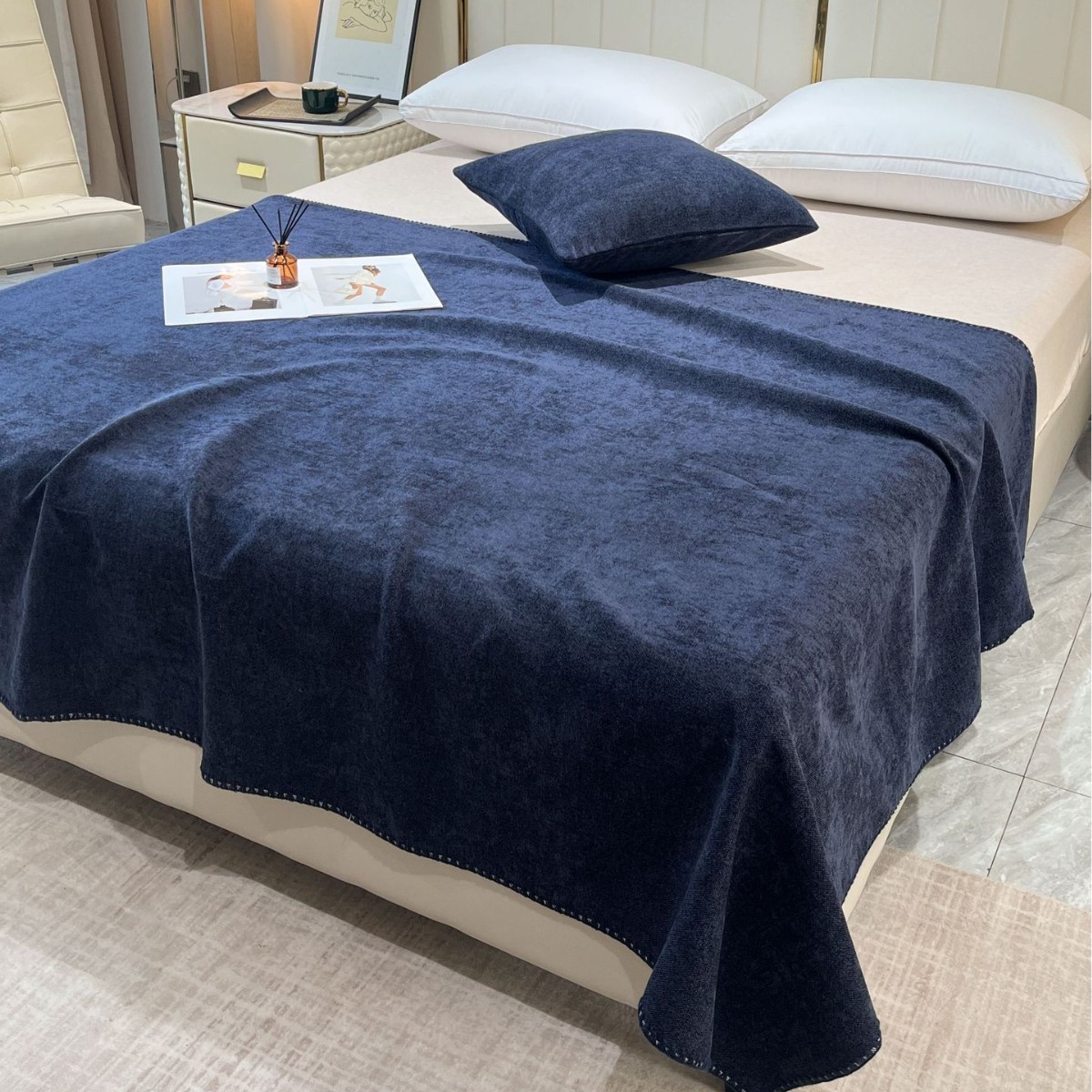
The soft texture of your bed sheets directly influences the quality of your rest. Soft sheets contribute to a luxurious feel, offering comfort, relaxation, and even improved sleep quality. Rough or irritating bedding, on the other hand, can lead to discomfort and disrupted sleep. For many, soft sheets are not just a luxury but a requirement to maintain a sense of well-being and rejuvenation.
Beyond comfort, soft sheets can also be essential for individuals with sensitive skin, helping to prevent irritation or redness. For couples, soft bedding enhances the comfort of shared sleep spaces. Ultimately, finding the softest bed sheets ensures both physical and emotional relaxation after a long day.
Not all sheets are created equal, and several factors contribute to the softness of bedding. Understanding these factors can assist you in making an informed purchasing decision:
The fabric material is the most critical determinant of how soft your sheets will feel. Certain fabrics naturally offer more softness due to their fibers. Here are the most common materials for soft bed sheets:
Thread count refers to the number of threads woven into one square inch of fabric. While thread count has often been marketed as a measure of quality, higher does not always mean better. Generally, thread counts between 300 and 600 are ideal for achieving softness without compromising durability or breathability. Sheets with extremely high thread counts may sometimes sacrifice air circulation, resulting in a stiffer texture.
However, it’s critical to consider thread count alongside material quality. Low-quality materials with high thread counts won’t feel as soft as high-quality fibers with medium thread counts.
The weave type contributes significantly to how the fabric feels against your skin. Common weave types include:
How sheets are pre-treated can also impact their softness. Some fabrics undergo special treatments, such as enzyme washes or stone washes, to achieve a softer, more broken-in feel. Pre-shrinking processes also ensure that the sheets maintain their texture and size after washing.
Now that you understand what makes bedding soft, let’s dive deeper into the best fabric options for softness:
Egyptian cotton is considered the gold standard for bed sheet softness. Its extra-long fibers create a luxurious sheet that is soft, strong, and resistant to pilling. Opt for certified Egyptian cotton to ensure quality and enjoy the ultimate comfort.
Bamboo viscose sheets are known for their silky texture and eco-friendly appeal. They’re also naturally hypoallergenic and moisture-wicking, making them ideal for hot sleepers or those with sensitive skin. The softness of bamboo sheets only improves with each wash.
Silk sheets provide an unparalleled softness that no other material can replicate. Known for their smooth and glossy texture, silk sheets drape beautifully on the bed. They also have natural temperature-regulating qualities, making them ideal for year-round use.
Despite being made from synthetic fibers, microfiber sheets are highly affordable and offer surprising softness. They provide a smooth, velvety surface that feels luxurious to the touch.
For those seeking warmth in addition to softness, flannel sheets are an excellent choice. The brushed surface of flannel creates a cozy and inviting texture, particularly during colder months.
Investing in soft bed sheets is only the first step — maintaining their softness over time is equally important. Here are some care tips to prolong the lifespan and softness of your bedding:
Always read and adhere to the manufacturer’s care label. Use mild detergents, and avoid bleach or fabric softeners, as these can break down fibers or coat them, reducing their natural softness.
Washing sheets in cold or warm water protects fibers from damage and helps maintain their softness. Hot water can weaken threads and cause shrinkage.
Air drying your sheets will help preserve their quality, but if you prefer using a dryer, opt for a low heat or delicate setting. Overheating can damage the fibers and reduce softness.
Keep your sheets fresh and soft by washing them regularly (once a week or every two weeks). Dirt, oils, and sweat can accumulate over time and affect the texture of the fabric.
When shopping for the softest bed sheets, take the following tips into consideration to ensure a satisfying purchase:
Compare user reviews for insights on the softness, durability, and overall comfort of the sheets.
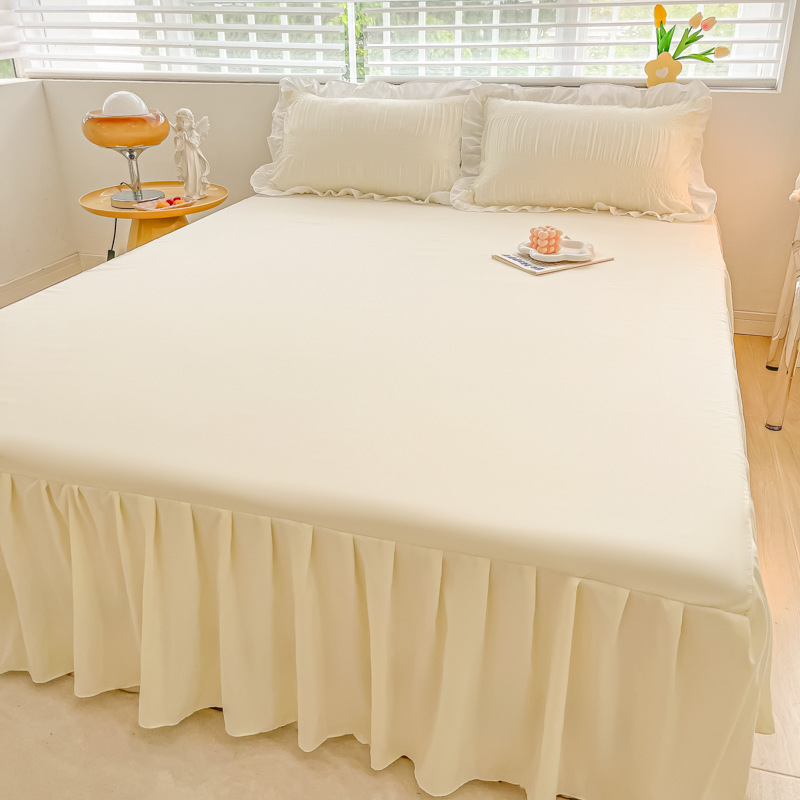
Choosing the softest bed sheets isn’t just about indulgence – it’s an investment in your overall well-being. By considering materials, thread count, weave type, and proper care, you can find sheets that will deliver superior softness and ultimate comfort for years to come. Armed with this comprehensive guide, you’re now ready to transform your bedding and create the cozy, luxurious sleep haven you deserve.