Updatetime:2026-07-06 10:34:56 View:
Pillows are an essential component of a good night's sleep, influencing both comfort and health. Among the wide array of pillow types available, microfiber pillows have emerged as a top choice due to their versatility, affordability, and comfort. If you’re unfamiliar with microfiber pillows or unsure about their benefits, this article will provide an in-depth exploration of their characteristics, advantages, drawbacks, and maintenance. Let’s delve into everything you need to know about microfiber pillows!
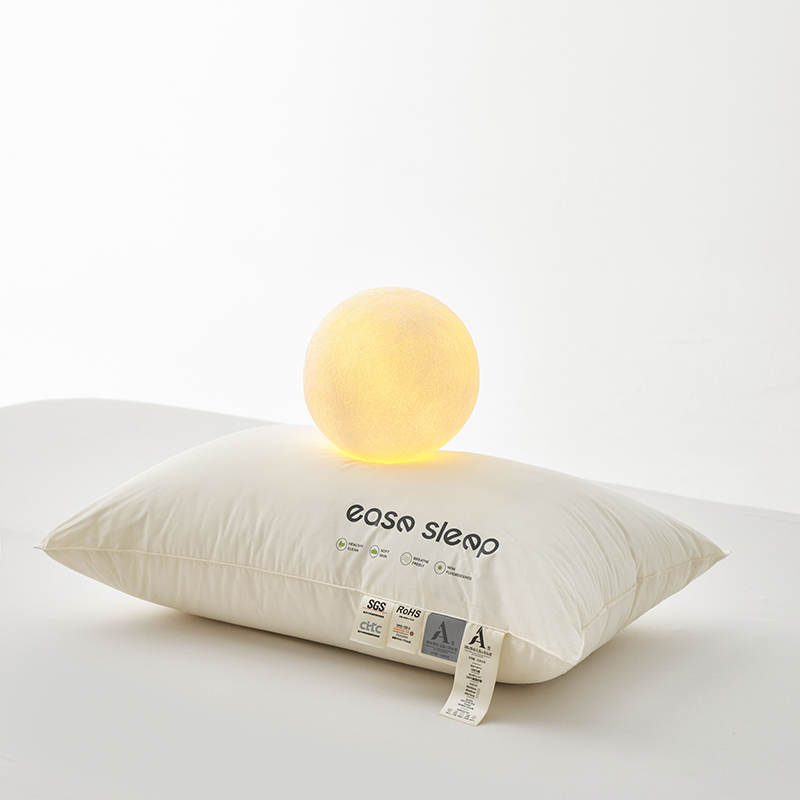
Microfiber pillows are made using microfiber, a synthetic material derived from ultra-fine polyester fibers. These fibers are finer than a human hair and are woven tightly together to create a soft, durable, and consistent texture. Microfiber is known for its lightweight and smooth nature, which makes it an excellent option for pillows. While microfiber pillows imitate the plushness of natural down, they offer a hypoallergenic and budget-friendly alternative.
Over the years, microfiber pillows have gained popularity thanks to their ability to provide comfort, durability, and ease of use. These pillows come in various shapes and firmness levels, catering to diverse sleeping preferences, whether you're a back, side, or stomach sleeper.
Before diving deeper into their benefits, it is helpful to understand the fundamental characteristics of microfiber pillows:
Microfiber pillows provide numerous advantages that range from enhanced sleep quality to practical maintenance. Here are the reasons why they’re such a popular choice for households worldwide:
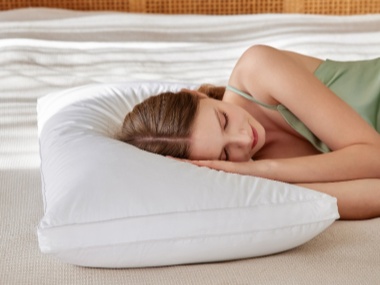
Microfiber pillows offer a perfect balance between softness and support. Whether you prefer a soft cushion or additional firmness, these pillows can be tailored to meet your needs. The evenly distributed microfiber stuffing prevents lumps and maintains consistent support, ensuring proper alignment for your head and neck as you sleep.
Allergy sufferers often struggle to find pillows that don’t aggravate their symptoms. Microfiber pillows are an excellent choice for anyone sensitive to allergens, as the densely woven fibers naturally repel allergens like dust mites, mold, and pollen.
Unlike down or cotton pillows that may flatten or deteriorate over time, microfiber pillows are designed for durability. The synthetic fibers retain their shape and resilience, even after extended use, providing a longer lifespan, making them a cost-effective investment.
Microfiber pillows are low-maintenance and easy to care for. They can usually be washed at home without losing their quality or structure. Unlike pillows made from more delicate materials, microfiber pillows can be cleaned regularly to maintain hygiene.
Microfiber pillows are versatile and well-suited for various applications. Whether used for sleeping, decorative purposes, or as support while reading or lounging, they cater to diverse needs effortlessly. They also come in a variety of sizes and shapes, ensuring compatibility with all preferences.
While microfiber pillows come with numerous benefits, they also have certain limitations. To make an informed purchase decision, it’s important to weigh the following disadvantages:
Microfiber pillows may retain heat due to their tightly woven fibers, which can make them feel warmer compared to materials like cotton or downs. This might not be ideal for those who sleep hot or live in warmer climates.
Although microfiber offers a smooth texture, its breathability is comparatively lower than natural materials such as cotton or bamboo. If you prioritize airflow and cooling during sleep, microfiber may not be the most suitable option.
Microfiber, being a synthetic material, is not biodegradable. Over time, microfiber products can contribute to pollution as they break down into microplastics. This is a consideration for eco-conscious consumers looking for sustainable alternatives.
With various microfiber pillows available on the market, choosing the right one might seem overwhelming. To simplify the process, consider the following factors:
Determine your preferred firmness level based on your sleeping position:
Select a pillow size that suits your bed or intended purpose. Standard, queen, and king-size pillows are commonly available, with smaller options for travel or decorative use.
Many microfiber pillows come with an external cover or casing. Look for covers made from breathable and durable fabrics like cotton or bamboo to enhance the pillow’s comfort and longevity.
Microfiber pillows are generally affordable, but prices can vary based on brand, size, and added features (e.g., cooling technologies). Compare different options and ensure the pillow offers value for its price.
To maximize the lifespan of microfiber pillows, proper care and maintenance are essential. Follow these practical tips to keep your pillows in top condition:
Microfiber pillows can typically be machine-washed. Use a gentle cycle with mild detergent and cold water. Avoid using bleach, as it can damage fibers. Ensure the pillow is thoroughly rinsed to remove all soap residue.
Air drying is the best option for microfiber pillows. If you choose to use a dryer, set it on a low heat setting to prevent damage. Fluff the pillow occasionally during drying to maintain its shape.
When washing microfiber pillows, clean them separately or with a few lightweight items to prevent undue pressure on the stitching and filling.
Add a pillowcase or protective cover to your microfiber pillow. These covers can prevent staining and prolong the pillow’s lifespan by reducing wear and tear.
Microfiber pillows are suitable for most individuals seeking comfort and affordability in a pillow. They are especially beneficial for people with allergies or those looking for easy-care options. However, if breathability or sustainability is a priority for you, you may want to explore alternative materials.
Ultimately, the decision depends on your personal preferences and needs. Assess the pros and cons, consider your budget, and choose a microfiber pillow that aligns with your sleep style and lifestyle requirements.
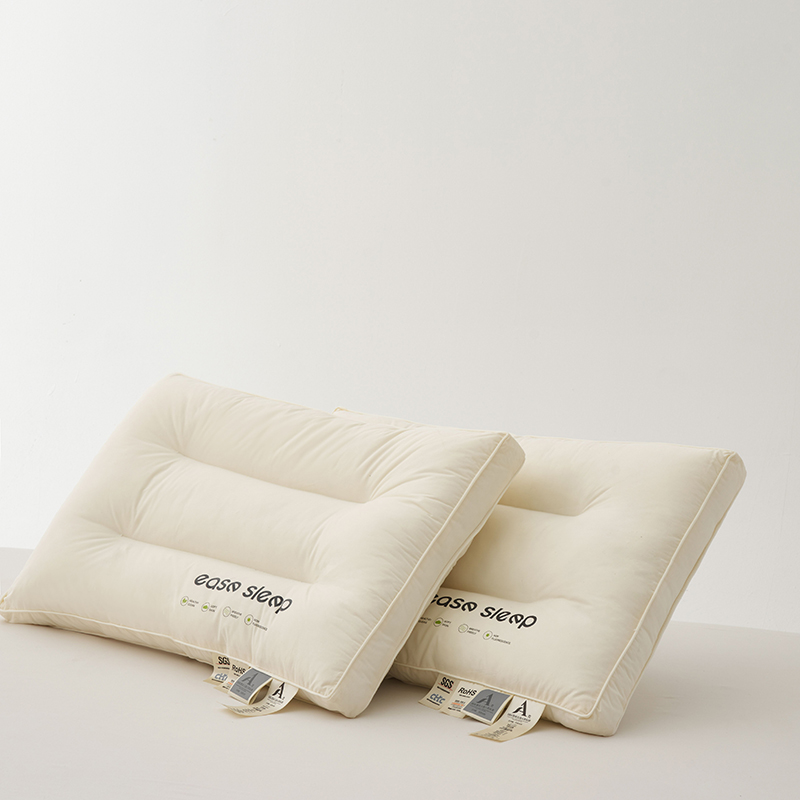
Microfiber pillows serve as a convenient and comfortable solution for achieving quality sleep while addressing the practical aspects of affordability and easy care. Whether you’re upgrading your bedding or looking for a hypoallergenic pillow, microfiber options are worth considering.
By understanding their features, benefits, and maintenance requirements, you can make an informed choice and enhance your sleep experience. With proper care, microfiber pillows offer long-lasting comfort and support, contributing to better nights and rejuvenated mornings. Explore different options, try them out, and find the microfiber pillow that transforms your sleep into a truly restful experience!