Updatetime:2026-07-06 10:26:36 View:
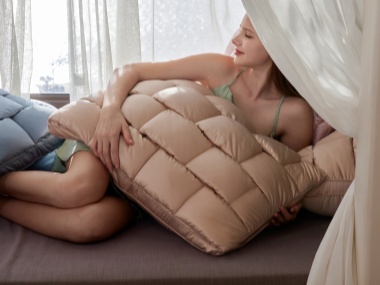
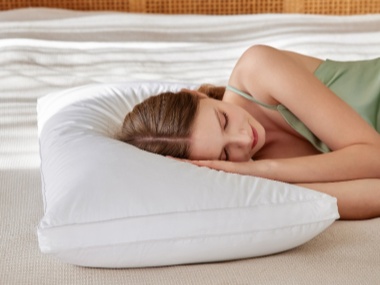
For any traveler, a night's stay at a hotel can be made memorable by the seemingly unsung heroes of comfort – the hotel pillows. These plush, inviting cushions play a vital role in ensuring guests have an exceptional sleep experience. For anyone involved in the foreign trade of hotel supplies or looking to enhance their hospitality offerings, understanding the materials and construction of hotel pillows is essential. This article dives into the various aspects that make hotel pillows unique, providing invaluable insights and practical advice to meet industry needs.
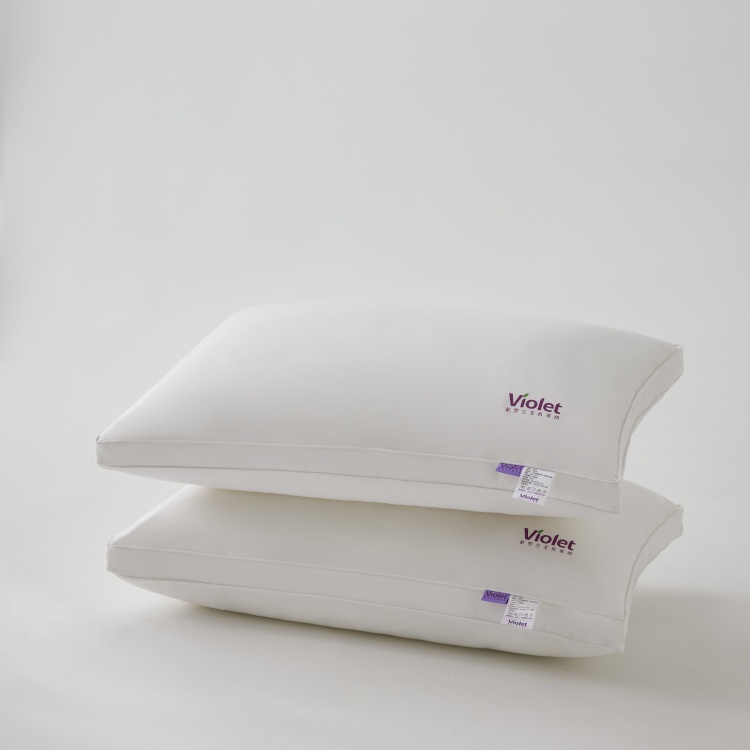
Hotel pillows are not mere accessories but vital components of the guest experience. A great pillow can elevate a guest's experience, often shaping their overall perception of the hotel. With the increasing emphasis on guest satisfaction in the hospitality industry, selecting the right hotel pillows is a decision that requires careful consideration and understanding.
Down and feather pillows are synonymous with luxury and are frequently found in upscale hotels. Down, taken from the undercoat of geese or ducks, provides a soft and lightweight filling that adjusts easily to the head and neck's contours. Feather pillows, often combined with down for added structure, provide a firmer foundation. While these materials offer excellent comfort, they require specific attention to cleanliness and may not be suitable for guests with allergies.
Memory foam pillows are popular for their ability to contour to the shape of an individual’s head, offering robust support and pressure relief. They are excellent for guests with cervical issues or those who prefer a firmer pillow. Hospitality providers must consider the varying density of memory foam to ensure it meets guest preferences without compromising on quality.
Polyester fiberfill pillows are often chosen for their affordability and allergen-free properties. These pillows provide decent support and comfort while being easy to clean and maintain. Adjustable polyester fillers are particularly beneficial as they allow hotels to customize pillow firmness depending on guest preferences.
Gel-infused pillows provide a cooling effect, which is particularly appealing in hotter climates or during summer months. These pillows keep the head and neck cool, offering additional comfort throughout the night. Monitoring guest feedback on temperature and comfort can help determine the effectiveness of these pillows in various settings.
One of the most important aspects is understanding guest preferences which vary widely. Some guests may prefer firm pillows, while others might seek softer options. Offering a pillow menu with diverse options can cater to varied preferences, enhancing guest satisfaction.
Allergies are a significant consideration in choosing hotel pillows. While down and feather pillows may be luxurious, they can trigger allergies for some guests. Synthetic alternatives or hypoallergenic treatments on natural fillings are often recommended to ensure comfort for all guests.
Hotel pillows must endure regular use and laundering without compromising their structure or comfort. Polyester and memory foam pillows generally offer good durability. Additionally, pillow covers and cases should be machine washable and easy to replace to maintain hygiene standards.
The cost of hotel pillows can vary significantly depending on materials and brand. While it might be tempting to choose the most economical option, weighing cost against guest satisfaction and brand reputation is crucial. Investing in high-quality, durable pillows can pay dividends in terms of guest loyalty and positive reviews.
With the ongoing emphasis on sustainability, many manufacturers offer eco-friendly pillow options. These pillows utilize organic and recyclable materials, offering a sustainable sleep experience. For hotels committed to eco-friendly practices, these pillows align well with their brand mission, attracting environmentally-conscious travelers.
Technology advancement has given rise to smart pillows that monitor sleep patterns, adjust firmness, and even play soothing sounds or music. Integrating smart pillows in hotel rooms caters to tech-savvy guests searching for an enhanced sleep experience tailored to their needs.
Regularly assessing guest feedback regarding pillows can provide insights into their preferences and areas of improvement. Monitoring trends about comfort, durability, and allergen issues can help hotel management make informed decisions about pillow investments.
Housekeeping staff plays a critical role in maintaining pillow quality. Training them on proper cleaning, fluffing, and replacement protocols ensures that guests always receive a pillow that meets their expectations.
Maintaining an adequate inventory of pillows to accommodate varying guest preferences is vital. Establish a systematic process for inventory checks and reordering to prevent shortages, ensuring all guest needs are met promptly.
Suppliers often offer valuable insights into pillow trends, innovations, and maintenance techniques. Leveraging their expertise can provide access to the latest products and technologies, enabling hotels to offer an exceptional sleep experience to their guests.
The selection and management of hotel pillows are critical components of the hospitality experience. Understanding the materials, technologies, and guest preferences can empower hotels to deliver comfort and sophistication to every guest. With this knowledge, hospitality providers can not only enhance their service offerings but also bolster their reputation for excellence in guest care and satisfaction.