Updatetime:2026-07-03 16:39:43 View:
When it comes to ensuring a good night's sleep, choosing the right pillow plays a crucial role. Among the many pillow materials available on the market, microfiber pillows have gained immense popularity in recent years due to their cost-effectiveness, comfort, and versatility. But are microfiber pillows truly good, and how can you determine if they are the right choice for your sleeping needs? In this article, we delve into the world of microfiber pillows, exploring their benefits, drawbacks, and practical insights to help you make an informed decision.
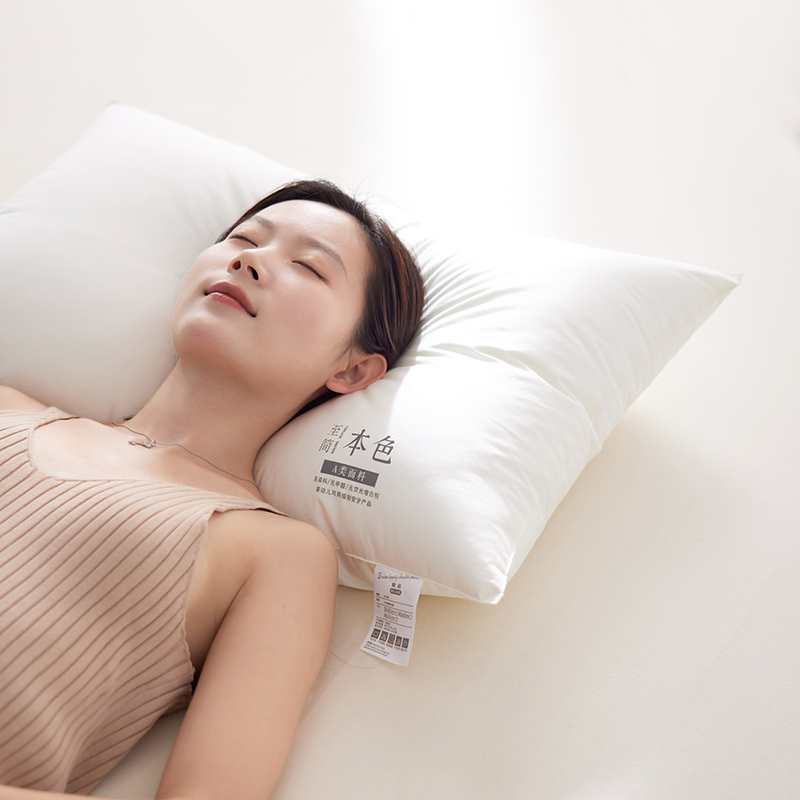
A microfiber pillow is made from synthetic fibers, typically polyester, that are tightly woven to create a soft, smooth, and lightweight texture. Microfiber is an ultra-fine material, with fibers often thinner than human hair, meaning the fabric can be tightly packed to offer softness and durability. Microfiber pillows are engineered to mimic the feel of natural down pillows but are hypoallergenic, making them an accessible and safer option for people with allergies.
One of the standout features of microfiber pillows is their soft texture. The finely woven fibers provide a silky surface that offers exceptional comfort. These pillows are an excellent choice for individuals who prefer a plush feel while sleeping. Moreover, microfiber pillows can adjust to your sleeping position, providing sufficient support for your head, neck, and shoulders.
Microfiber pillows are often hypoallergenic, meaning they are resistant to allergens like dust mites, mold, and mildew. For people who suffer from allergies, these pillows can help minimize health risks by providing a cleaner and safer sleeping environment.
One of the practical benefits of microfiber pillows is their low-maintenance nature. These pillows are machine washable and dry quickly, making them a perfect option for busy individuals who value convenience. Unlike down pillows, microfiber pillows do not require special cleaning processes, which saves both time and money.
Microfiber pillows are generally more budget-friendly compared to natural down pillows or memory foam options. Despite their affordability, they can still provide exceptional comfort and durability, making them a cost-effective investment.
These pillows are available in a wide range of shapes, sizes, and thicknesses, catering to sleepers of all preferences. Whether you are a back sleeper, side sleeper, or stomach sleeper, microfiber pillows offer options that provide adequate support for different sleeping styles.
One common concern with microfiber pillows is their tendency to retain heat. The tightly woven synthetic material can trap warmth, which might be uncomfortable for hot sleepers or individuals living in warmer climates. If heat retention is a major concern, you may want to look for microfiber pillows with advanced cooling technology or breathable designs.
While microfiber pillows are soft and plush, they may lose their shape and support more quickly compared to pillows made from memory foam or latex. Frequent use may cause the pillow to flatten, leading to reduced support for your shoulders and neck. This may necessitate regular replacement to maintain optimal comfort.
Microfiber is a synthetic material, and its production process can have a higher environmental impact when compared to natural options like cotton or wool. Additionally, microfiber can shed tiny particles during washing, which may contribute to microplastic pollution. For eco-conscious consumers, this aspect might be worth considering.
Your sleeping position plays a major role in determining the type of microfiber pillow that will suit you best:
Microfiber pillows come in different fill densities, which impact their firmness and comfort levels. Individuals seeking a plush feel can choose pillows with less density, while those looking for firmer support can opt for higher fill-density options.
To minimize heat retention, investigate whether the microfiber pillow incorporates cooling features or breathable designs. Look for pillows with moisture-wicking properties or mesh covers that promote airflow and keep you cool throughout the night.
Although microfiber pillows are cost-effective, durability should not be overlooked. Opt for high-quality options with reinforced stitching and premium microfiber materials to ensure that your pillow lasts longer without losing its shape or comfort.
If you suffer from allergies, verify that the pillow is labeled hypoallergenic. Confirm that it is resistant to dust mites, mold, and other potential irritants to ensure a safe sleeping environment.
Proper care and maintenance will help prolong the life and performance of your microfiber pillow. Here are some practical tips:
If you're unsure whether microfiber pillows are the best option for your needs, consider exploring other alternatives:
Cotton or Bamboo Pillows: Perfect for eco-conscious buyers looking for natural, sustainable pillow options.
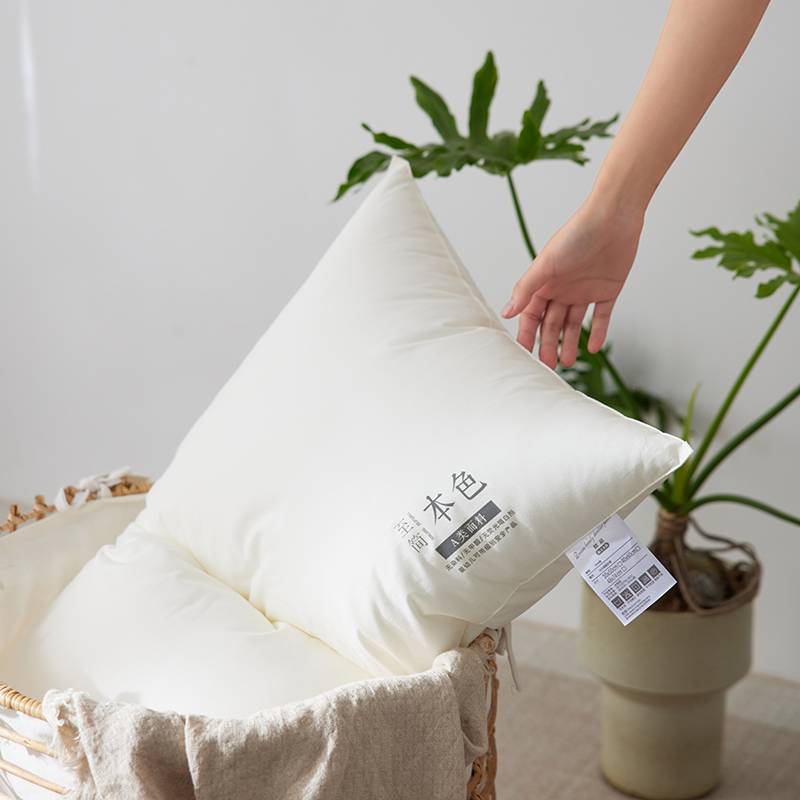
Microfiber pillows are a versatile, affordable, and comfortable option for sleepers seeking softness and convenience. With hypoallergenic properties and easy maintenance, they cater to a wide array of sleeping needs. However, it is vital to weigh the pros and cons, such as heat retention and environmental concerns, before making a purchase. By understanding your personal preferences, sleeping position, and priorities, you can select the right microfiber pillow to enhance your sleep quality.
Whether you decide on a microfiber pillow or another material, prioritize comfort and health to ensure you wake up refreshed and ready to tackle the day ahead. With the variety of pillows available in the market, finding the perfect one is a step toward achieving the ultimate restful sleep.