Updatetime:2026-07-03 16:37:34 View:
Choosing the right pillow can profoundly impact the quality of your sleep, overall physical well-being, and long-term health. Among the many options available, microfiber pillows have gained significant popularity for their affordable price, versatile usability, and claimed health benefits. However, are microfiber pillows truly good for your health? This article will explore various dimensions, including their material composition, benefits, potential disadvantages, and tips for choosing the right microfiber pillow with health in mind.
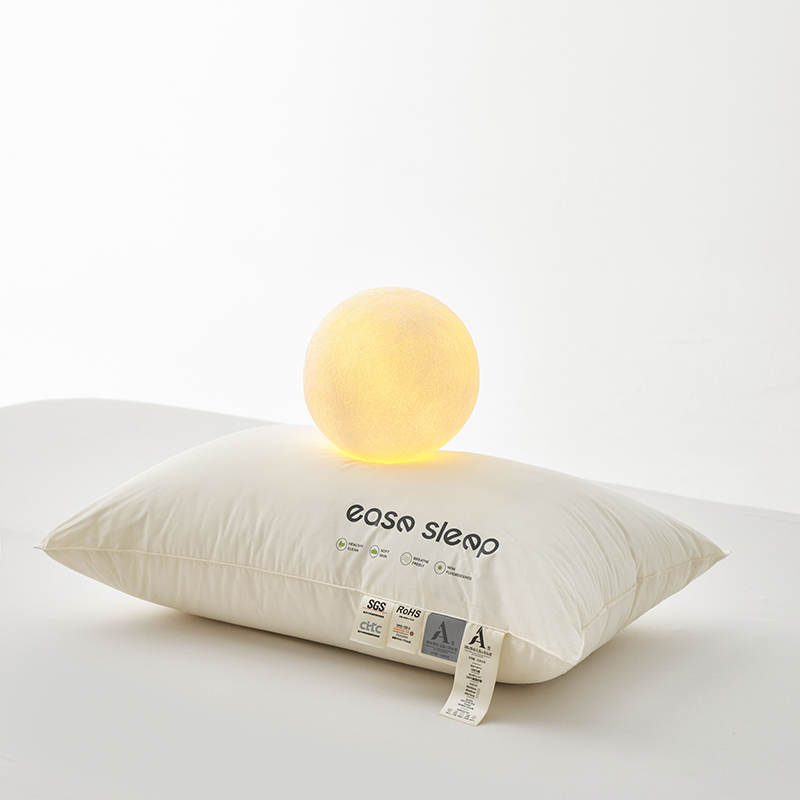
Microfiber pillows are made of synthetic fibers that are finer than silk strands. These fibers are densely woven into the mesh to offer a soft, smooth, and lightweight texture. The filling material is often polyester, a durable and cost-effective option commonly used in bedding products. The structure of microfiber emphasizes comfort and adaptability, making these pillows suitable for various sleeping positions and preferences.
Microfiber is known for its unique properties:
Before considering whether microfiber pillows promote good health, let’s break down the benefits:
Microfiber pillows are highly recommended for individuals with allergies or asthma. The dense fiber structure reduces space for common allergens like dust mites or pollen. For those who struggle with allergic reactions, switching to microfiber pillows might help alleviate night-time symptoms such as sneezing, coughing, or nasal congestion.
Microfiber pillows come in various firmness levels, making them adaptable to diverse sleeping styles. Side sleepers typically require firmer pillows to support their neck, while stomach or back sleepers benefit from softer, flatter ones. Adjusting the pillow type to suit your sleeping position can prevent neck strains, back pain, and poor posture over time.
Unlike down or feather pillows, microfiber options are extremely easy to care for. Most are machine-washable and retain their fluffiness even after frequent washes. Hygiene is essential for maintaining physical health, especially since bedding items can accumulate bacteria, sweat, and environmental impurities over time.
For those on a tight budget, microfiber pillows deliver sufficient comfort without breaking the bank. While they may lack some of the luxurious feel of pricier options like memory foam or goose-down pillows, their affordability makes them accessible to individuals worldwide.
Despite their advantages, microfiber pillows might not be the perfect option for everyone. Below are some of the potential downsides:
Since microfiber pillows are made of synthetic fibers, they may lack the breathable qualities often associated with natural materials. Prolonged exposure to synthetic fabrics may lead to mild skin irritation for individuals with extreme sensitivities, though this is relatively rare.
While microfiber pillows are durable, they may not offer long-term structural support compared to higher-end products. Over time, the filling may lose its shape, potentially leading to improper neck or spine alignment. Regular replacement will be necessary to avoid this issue.
Microfiber pillows may trap heat and moisture, particularly in humid climates or for people prone to night sweats. Unlike natural fibers such as cotton, microfiber may not wick away moisture as effectively, which might compromise comfort and hygiene.
If you’ve decided that microfiber pillows are the right choice for you, selecting the proper pillow is essential for optimizing comfort and promoting good health. Below are actionable tips to apply when shopping:
Choose a pillow that matches your sleeping style:
Ensure the pillow features hypoallergenic certifications and is free from harmful chemicals. Many manufacturers produce microfiber pillows following strict safety standards to avoid potential allergic reactions.
Improper hygiene can lead to numerous health problems, including skin irritation and respiratory issues. Microfiber pillows that are machine-washable are a convenient option—but always confirm washing instructions to maintain the pillow's integrity.
While microfiber pillows are cost-effective, going for the cheapest alternative often means compromising on quality. Invest in a pillow with durable stitching, reliable construction, and sufficient filling material to ensure both comfort and longevity.
Proper care will ensure your microfiber pillow remains beneficial to your health over an extended period:
Wash your microfiber pillow every 3–6 months, depending on usage, to remove accumulated dirt, bacteria, and allergens.
To maintain its shape and prevent lumps, fluff your microfiber pillow after waking up each morning.
Protect your microfiber pillow with a washable cover to further prevent stains and wear. Ensure the cover material is breathable for added comfort.
If your microfiber pillow loses shape or shows signs of wear, replace it promptly to avoid discomfort or poor body alignment during sleep.
Ultimately, whether microfiber pillows are good for your health depends on factors such as sleeping habits, sensitivities, and specific needs. They offer a practical balance of comfort, affordability, and hypoallergenic properties, making them an excellent choice for a wide range of users. However, for individuals seeking premium durability or certain organic materials, alternatives like memory foam, latex, or down pillows may be more appropriate.
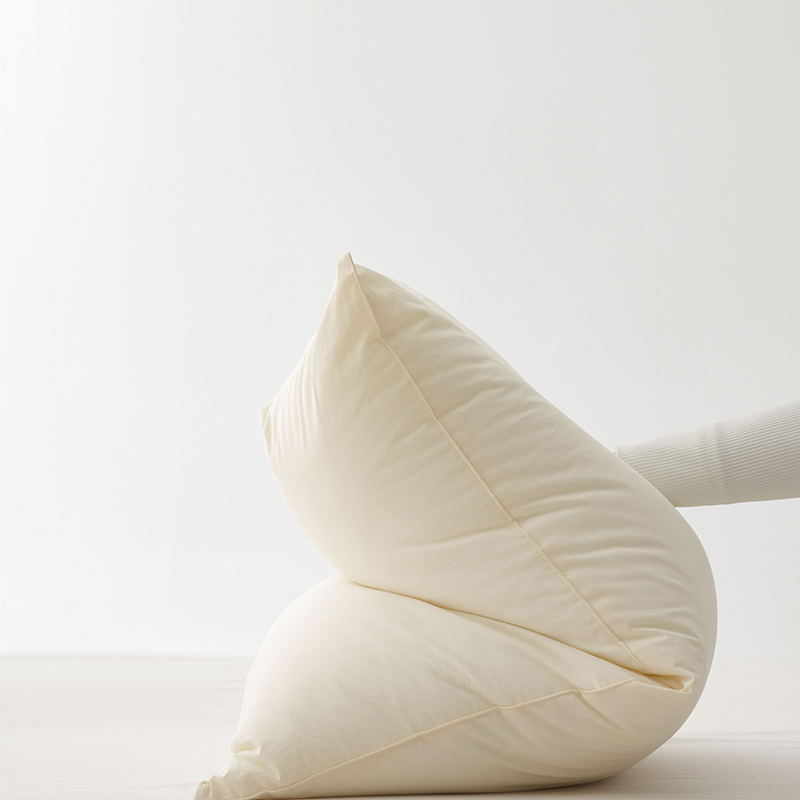
Microfiber pillows provide a versatile and budget-friendly option for optimizing sleep comfort and hygiene. While they may not offer the luxurious qualities of natural or higher-end materials, their practical benefits are undeniable. By selecting a high-quality microfiber pillow that aligns with your sleeping position and personal preferences, you can enjoy restful sleep while minimizing common health concerns like allergies and neck strain.
Remember, your pillow is much more than a simple accessory—it's an investment in your health and well-being. With proper care and informed choices, microfiber pillows can play a valuable role in achieving better sleep and improving overall quality of life.