Updatetime:2026-07-03 16:35:16 View:
When it comes to selecting pillows, comfort, support, and durability are key factors that influence the decision. Among the many choices available, microfiber pillows have gained popularity due to their unique attributes. But is microfiber good for pillows? In this article, we will dive deep into the topic, exploring the properties of microfiber, its advantages and disadvantages, and offering guidance on whether it is the right choice for your needs.
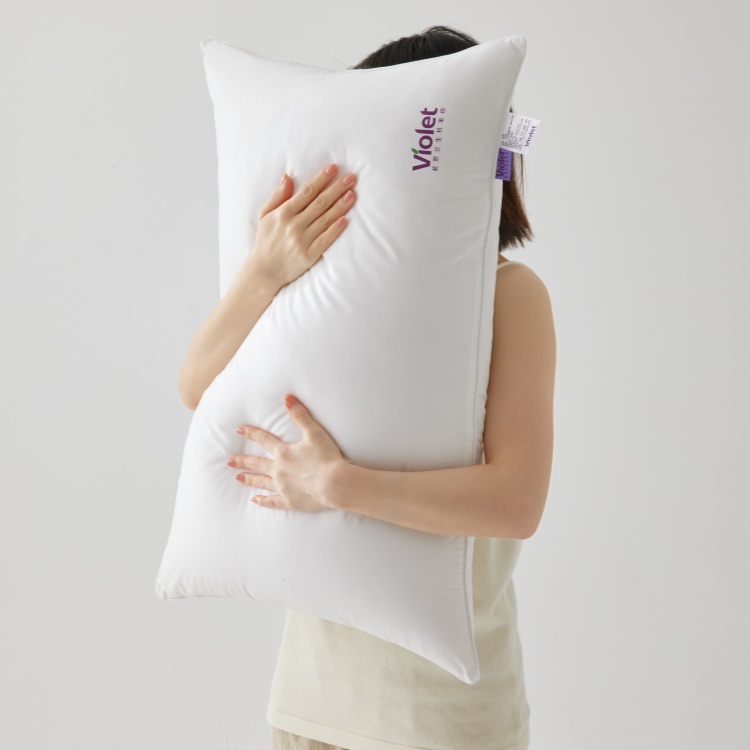
Microfiber is a synthetic material made from ultra-fine fibers, typically composed of polyester or a blend of polyester and polyamide (nylon). These fibers are finer than human hair, allowing microfiber fabrics to offer a soft, smooth texture. Microfiber is widely used in textiles, including bedding and upholstery, and has become a popular option for pillow filling and covers due to its versatile properties.
Before diving into its suitability for pillows, let’s examine the key characteristics of microfiber:
Microfiber pillows come with several benefits that make them a preferred choice for many households. Let’s explore the main advantages:
Microfiber pillows are known for their ability to provide excellent comfort. The softness of the fibers creates a cozy sleeping surface, while the filling can be adjusted to provide sufficient support for your head and neck. This helps in maintaining proper spinal alignment, reducing the risk of back or neck pain.
If you suffer from allergies, microfiber pillows can be valuable. The dense weave of microfiber prevents dust mites, pollen, and other allergens from penetrating the surface, making them ideal for individuals with sensitive skin or respiratory issues.
Microfiber pillows are relatively easy to maintain. They are lightweight, which makes them easy to handle, and many microfiber pillows are machine washable. Their durable fabric ensures that they maintain their shape and quality even after repeated washes.
Microfiber pillows are generally more affordable than pillows filled with natural materials such as wool, down, or feathers. This makes them an excellent option for budget-conscious buyers who still want a comfortable and durable pillow.
The lightweight nature of microfiber pillows makes them ideal for travel. They are easier to pack compared to heavier pillows filled with traditional materials, offering convenience for frequent travelers.
While microfiber pillows offer numerous benefits, it’s important to consider their drawbacks to make an informed decision:
Unlike natural materials such as cotton or wool, microfiber does not excel in temperature regulation. Microfiber pillows may trap heat and feel warmer during sleep, which could be uncomfortable for individuals who prefer a cooler sleeping environment.
Microfiber is made of synthetic fibers, which may not appeal to individuals looking for eco-friendly or biodegradable options. Additionally, microfiber materials may be more prone to developing static electricity compared to natural textiles.
Depending on the filling density, microfiber pillows may lack the desired firmness for individuals who need extra neck or head support. This is especially true for stomach sleepers or those with specific orthopedic needs.
Although microfiber pillows are durable, they may not last as long as higher-quality, natural-material pillows. Over time, microfiber pillows may flatten and lose their shape, requiring frequent replacement.
The term “microfiber pillow” does not refer to a single type of pillow. There are wide variations in microfiber pillow designs, which cater to different preferences and sleeping styles:
These pillows are filled with microfiber fibers, creating a plush and supportive surface. The filling density may vary, offering options for soft to firm pillows depending on individual preferences.
Some pillows have microfiber covers combined with another type of filling, such as memory foam, down, or synthetic fibers. These pillows offer the benefits of microfiber on the exterior, combined with the distinct advantages of alternative fillings.
Blended microfiber pillows combine microfiber with other materials, such as bamboo or cotton, for enhanced benefits. These pillows aim to merge the softness and durability of microfiber with the natural feel of other fabrics.
If microfiber pillows sound appealing to you, here are some tips to help you select the best option:
Your sleeping position influences the type of pillow support needed. For example:
Microfiber pillows come in various firmness levels. Test pillows to find the one that meets your comfort and support requirements.
Ensure that the pillow is machine washable and easy to clean. This will enhance its longevity and maintain hygiene.
If allergies are a concern, opt for pillows explicitly labeled as hypoallergenic or anti-allergenic for additional safety against allergens.
Consider how often the pillow needs fluffing or replacing. Microfiber pillows may flatten over time, so it is essential to gauge their durability based on your usage patterns.
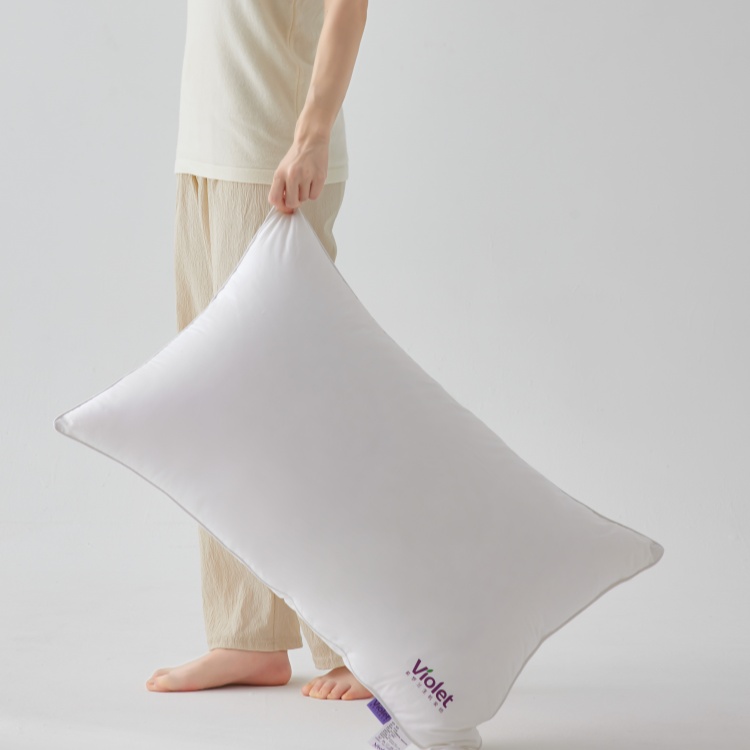
Microfiber is an excellent material for pillows in terms of comfort, affordability, and hypoallergenic properties. Their soft texture and easy maintenance make them a practical choice for most households. However, microfiber pillows may not be suitable for everyone, especially if you prefer natural materials or require extensive temperature regulation during sleep.
Ultimately, whether microfiber is good for pillows depends on your personal sleeping habits, preferences, and budget. By weighing the pros and cons and considering your specific needs, you can make an informed decision that ensures restful and comfortable sleep night after night.
If you are looking to explore microfiber pillows, evaluate factors like firmness, size, and allergy resistance before selecting the perfect pillow for your home.