Updatetime:2026-07-01 09:44:59 View:
Throw pillows add personality and comfort to any living space, but over time, they can accumulate dirt, stains, and odors. Regularly washing the pillow covers is essential for maintaining their appearance and hygiene. Whether your throw pillow covers are made from cotton, linen, velvet, or synthetic fabrics, understanding the correct washing procedures is crucial to prolong their life. This guide provides practical, actionable advice on how to wash throw pillow covers effectively and offers insights into fabric care, cleaning techniques, and maintenance tips.
Before diving into washing methods, it is important to identify the type of fabric your throw pillow covers are made from. Different fabrics require specific care to prevent damage. Here are some common fabric types:
Cotton and linen are natural fibers known for their durability and breathability. These fabrics are typically machine-washable and can withstand higher temperatures, making them relatively easy to clean. However, they are susceptible to shrinking and wrinkling, so it’s important to follow appropriate washing instructions.
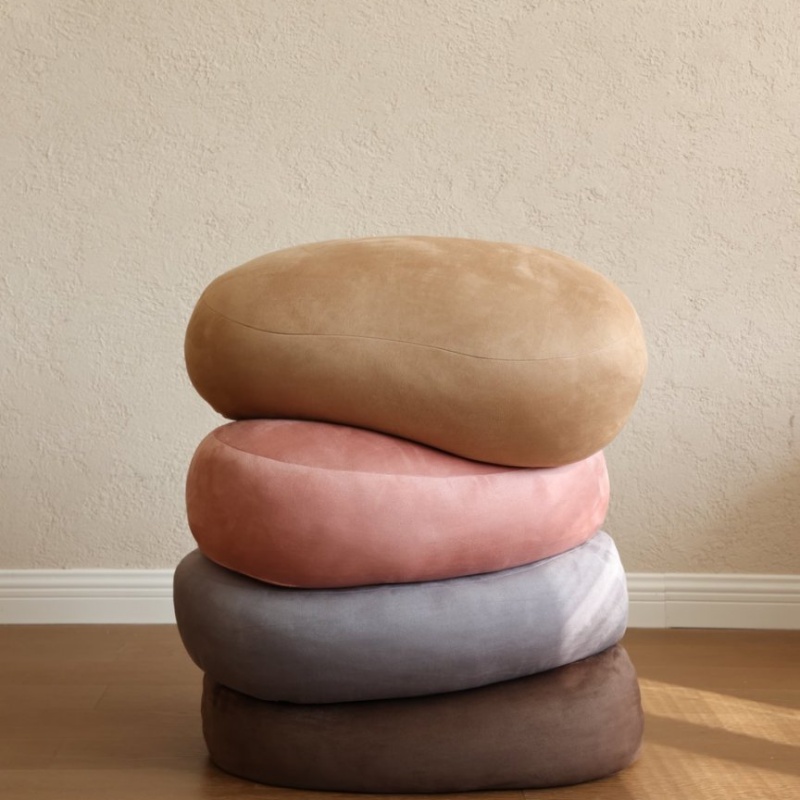
Velvet and suede offer a luxurious texture and appearance but require more delicate care. These fabrics are often sensitive to moisture and require gentle cleaning methods to avoid damage. It is advisable to check the care label for specific recommendations.
Polyester and other synthetic blends are popular for their durability and resistance to wrinkles and shrinking. Most synthetic fabrics can be machine-washed, but it is important to use cool water to prevent any damage. They are generally low-maintenance but can hold onto stains and odors.
Proper preparation is key to ensuring your throw pillow covers are cleaned effectively without damage.
Care labels provide valuable information about how to clean and maintain your pillow covers safely. Always adhere to the instructions given, especially for fabrics that require special treatment.
Before washing, inspect the pillow covers for stains and spot-treat any problematic areas. Use a stain remover appropriate for the fabric type and gently dab the stain with a clean cloth or sponge. Avoid rubbing, as this can set the stain further into the fabric.
Always remove the inserts before washing the covers. This not only ensures a more thorough clean but also prevents damage to the pillow inserts themselves.
Depending on the fabric and level of dirt, there are several methods to wash throw pillow covers—machine washing, hand washing, and dry cleaning.
If your throw pillow covers are machine-washable:
For delicate fabrics or those requiring special care:
For fabrics such as velvet or tricky stains, professional dry cleaning may be necessary:
Proper care after washing is vital for preserving the condition and appearance of your throw pillow covers.
Ironing may be required to maintain a crisp look, especially for cotton or linen covers. Use a low heat setting and ensure to check the label for fabric-specific instructions. Iron the covers inside out to prevent any potential heat damage to the fabric.
When not in use, store throw pillow covers in a cool, dry place to prevent mold and mildew. Ensure they are clean and thoroughly dry before storage to avoid unwanted odors or damage.
Beyond regular washing, various strategies can help maintain the quality and appearance of your throw pillow covers.
Avoid Direct Sunlight: Direct exposure to sunlight can fade colors; place pillows in shaded areas within your living space.
Understanding how to wash throw pillow covers correctly is essential for keeping them fresh and prolonging their lifespan. By acknowledging the type of fabric, preparing before washing, using the appropriate washing methods, and considering post-washing care, you can ensure that your pillow covers stay in excellent condition. Additionally, employing preventive maintenance tips such as using pillow protectors and avoiding direct sunlight will keep your pillows looking their best for years to come.
By dedicating time to properly care for your throw pillow covers, you not only enhance the aesthetic appeal of your home but also ensure a healthier living environment. With these practical solutions and proactive strategies, maintaining cleanliness and style becomes a breeze.