Updatetime:2026-07-01 09:43:04 View:
Silk pillowcases are a luxurious addition to your bedding collection, offering incredible softness, beauty benefits, and an elegant appearance. However, maintaining their quality requires proper care during washing. Unlike other types of fabric, silk is delicate and demands special attention to preserve its luster and longevity. Whether you're engaged in the foreign trade of luxury goods or simply exploring ways to keep your silk pillowcases looking their best, this comprehensive guide will walk you through the process of washing your silk pillowcases effectively.
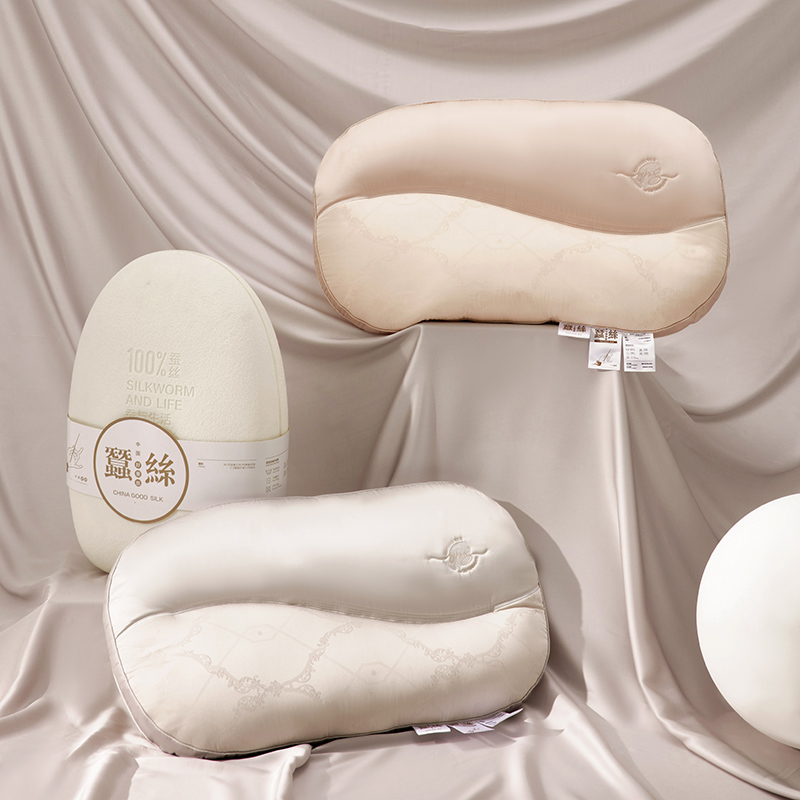
Before diving into the washing process, it’s important to understand the nature of silk. Silk is a natural protein fiber produced by silkworms. Its unique properties, including its smooth texture and glossy sheen, make it highly sought after. However, these same properties also mean that silk is susceptible to damage from harsh chemicals, high temperatures, and rough handling.
Silk pillowcases offer numerous benefits beyond their luxurious feel. They are hypoallergenic, reducing the risk of allergic reactions. Their smooth surface can help prevent wrinkles and hair breakage, making them a favorite among beauty enthusiasts. Furthermore, silk's natural temperature-regulating properties help maintain a comfortable sleep environment.
Before washing your silk pillowcase, always check the care label for specific instructions. Some silk items may have unique care requirements, and it is crucial to adhere to them to prevent damage. This label will often provide guidance on whether the item is suitable for machine washing or if it requires hand washing only.
To wash your silk pillowcases, you will need a mild detergent specifically designed for delicate fabrics. Avoid regular laundry detergents, as they contain enzymes and harsh chemicals that can break down silk fibers. Additional materials include a clean towel for drying, a basin for hand washing, and access to cold water.
Hand washing is often the best method for cleaning silk pillowcases, as it allows for greater control and minimizes the risk of damage.
Begin by filling a clean basin or sink with cold water. Hot water can damage silk, so it is essential to use a gentle, cold-water approach.
Add a small amount of mild detergent to the water. Avoid using bleach, fabric softeners, or any products containing enzymes, as these can harm the fabric.
Place the silk pillowcase into the water, gently swirling it with your hands to ensure the detergent penetrates the fibers. Avoid excessive rubbing or twisting, as this can weaken the fabric.
Once the pillowcase is clean, drain the soapy water and rinse the fabric under cold running water. Make sure to remove all traces of detergent, as residue can cause stiffness.
To dry your silk pillowcase, carefully lift it out of the water without wringing it. Lay it flat on a clean, dry towel and roll up the towel to absorb excess moisture. Then, unroll and lay the pillowcase flat on a drying rack, away from direct sunlight and heat sources. Never use a tumble dryer, as the heat can damage the silk.
If the care label indicates that machine washing is safe, follow these specific guidelines to minimize risks.
Set your washing machine to the delicate cycle and use cold water. Many washing machines offer a specific ‘silk’ or ‘delicates’ setting, which is ideal.
Place your silk pillowcase inside a mesh laundry bag to protect it from the agitator and other clothing. This will also reduce friction and prevent snags.
Use only a small quantity of detergent formulated for silk or delicate fabrics. Avoid overloading the washing machine to ensure the pillowcase can move freely.
After washing, remove the pillowcase from the mesh bag and lay it flat to dry, following the same precautions as the hand washing method. Avoid wringing the fabric and ensure it is not exposed to direct heat or sunlight.
Stain removers can be too harsh for silk, often causing irreparable damage. Instead, address stains as soon as they occur by blotting gently with a mixture of cold water and mild detergent.
If you need to iron your silk pillowcase, do so with caution. Use the lowest heat setting and place a cloth between the iron and the silk to prevent direct contact. Alternatively, a steamer can be used to remove wrinkles gently.
To ensure even wear and extend the lifespan of your silk pillowcases, consider rotating between multiple sets. This also minimizes the frequency each pillowcase is washed, further preserving the quality of the silk.
To prevent color fading, wash silk pillowcases separately from other fabrics, especially during the first few washes. If you notice color bleeding, rinse the pillowcase until the water runs clear, and consider setting the dye using a solution of vinegar and water before washing again.
Pilling can occur if silk is exposed to friction during the wash. Always wash silk pillowcases inside out and use a mesh laundry bag to minimize contact with other clothing items.

Properly washing your silk pillowcases can significantly impact their texture, appearance, and lifespan. By following the precautions and steps outlined in this guide, you can enjoy the benefits of your silk pillowcases for years to come. Remember, treating silk with the utmost care ensures it remains a luxurious and durable part of your bedding collection.