Updatetime:2026-06-29 09:02:03 View:
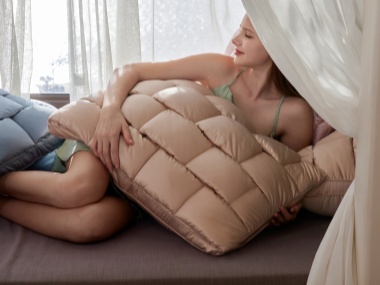
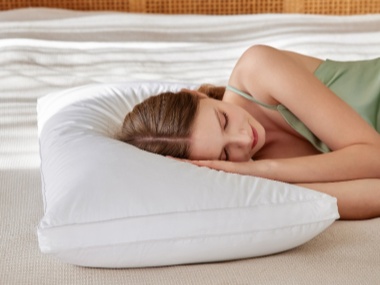
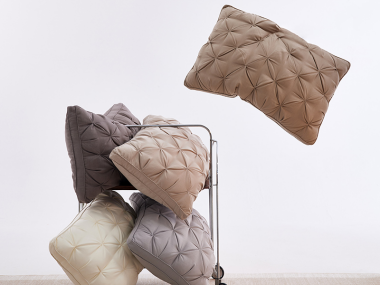
Decorative pillows add a touch of elegance and personality to any room, elevating both the aesthetic appeal and comfort level of your living space. However, maintaining their beauty and cleanliness can be a challenge. Regular cleaning of decorative pillows is essential not only to preserve their appearance but also to ensure hygiene, particularly for individuals with allergies. This article endeavors to offer a detailed explanation on how to wash decorative pillows, considering various types of materials and embellishments, as well as providing practical and actionable insights.
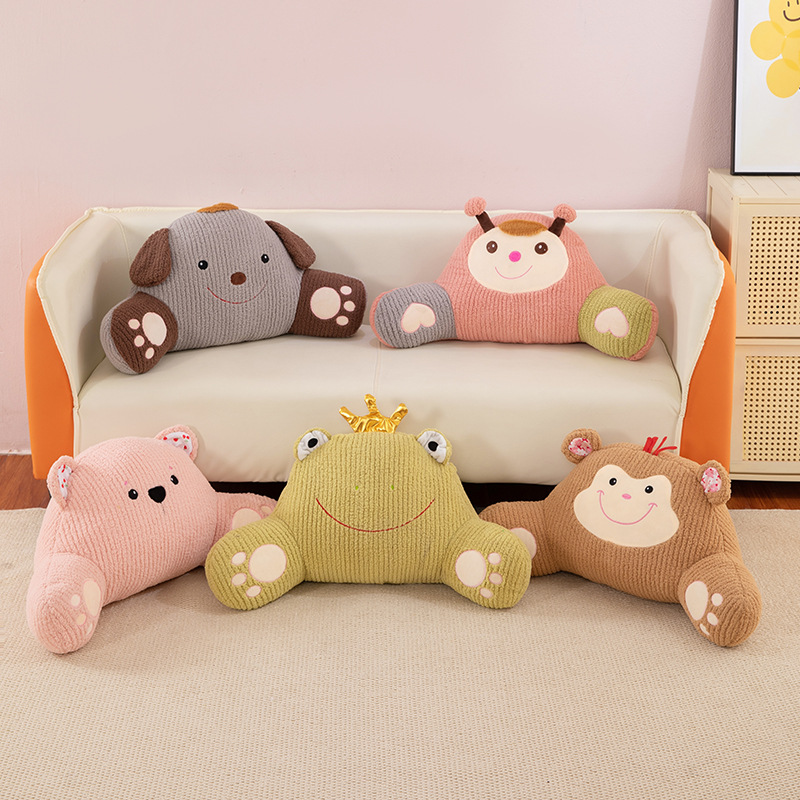
Decorative pillows come in a myriad of styles, shapes, and textures. Understanding the materials and components that make up these pillows is crucial in determining the most suitable cleaning method. Here are the common elements:
The material of the pillow cover significantly impacts its care process. Common fabrics include cotton, polyester, silk, and velvet. Each fabric has unique washing requirements, which will be discussed in detail later in this article.
Decorative pillows may be filled with a variety of materials such as foam, synthetic fibers, feathers, and down. Each filling type reacts differently to moisture and heat, necessitating specific cleaning techniques.
Many decorative pillows feature embellishments like beads, embroidery, sequins, or tassels, which can complicate the washing process. Care must be taken to avoid damaging these decorative elements.
Before immersing your decorative pillows in water or applying any cleaning agents, it's imperative to prepare them appropriately. Here's a step-by-step guide:
Check the manufacturer's care label for guidance regarding cleaning procedures. The label often provides recommendations on washing method, temperature settings, and drying instructions.
Test the pillow fabric for colorfastness by dampening a small, inconspicuous area with water and a mild detergent. Wait for a few minutes to ensure the color does not bleed or fade.
Use a vacuum cleaner or a lint roller to remove dust, pet hair, and debris from the pillow surface. This step prevents dirt from settling into the fabric during the washing process.
The approach to washing decorative pillows largely depends on the fabric type and pillow construction. Below are the most common methods:
Machine washing is suitable for pillows without delicate embellishments and made of sturdy fabrics such as cotton and polyester.
- Use a Gentle Cycle: Set your washing machine to a gentle or delicate cycle to minimize the stress on the fabric and filling. - Mild Detergent: Opt for a mild detergent free of dyes or harsh chemicals to prevent damage or discoloration. - Cold Water: Use cold water to wash the pillows, preserving both the fabric texture and filling integrity.
Spot cleaning is advised for pillows with delicate fabric or ornate embellishments. This method requires more diligence but is effective in maintaining the pillow's original appearance.
- Identify Stains: Inspect the pillow for any stains or spots that need special attention. - Use Mild Soapy Solution: Mix a mild detergent with water to create a soapy solution. Apply this to the stained area using a clean, soft cloth or sponge. - Blot, Don't Rub: Gently blot the stain without rubbing to prevent fabric distortion and spread of the stain.
Hand washing provides a safer alternative for pillows with highly delicate fabrics or embellishments that might be damaged by machine agitation.
- Prepare a Clean Basin: Fill a basin or sink with lukewarm water and add a mild detergent. - Submerge the Pillow: Submerge the pillow, gently agitating to loosen dirt and grime. - Rinse Thoroughly: Rinse the pillow multiple times until all soap residues are gone to prevent potential fabric damage or allergies.
Proper drying is crucial to prevent mold growth and maintain the pillow's shape. The method chosen should reflect the fabric and filling characteristics.
Air drying stands out as a gentle drying method suitable for most decorative pillows, especially those with sensitive fabrics or fillings.
- Flat Surface: Lay the pillow flat on a dry towel or elevated surface with adequate air circulation. - Frequent Turning: Frequently turn the pillow over to ensure uniform drying and prevent moisture retenance on one side. - Avoid Direct Sunlight: Avoid exposing pillows to direct sunlight, as it may cause fading or fabric damage.
Using a dryer is quicker and applies predominantly to pillows labeled as dryer-safe.
- Low Heat Setting: Use the dryer on a low heat setting to prevent fabric shrinkage or filler deterioration. - Tennis Balls: Adding clean tennis balls during the drying cycle can help fluff the pillow and maintain its shape.
Regular maintenance can prolong the cleanliness and lifespan of decorative pillows.
Regularly fluff your pillows to redistribute the filling evenly and maintain their shape.
Consider using removable pillow covers to shield pillows from dirt and simplify cleaning. These covers can often be machine washed more frequently than the actual pillow.
Incorporate regular dusting with a vacuum cleaner or lint roller into your cleaning regimen to prevent dust accumulation between washings.
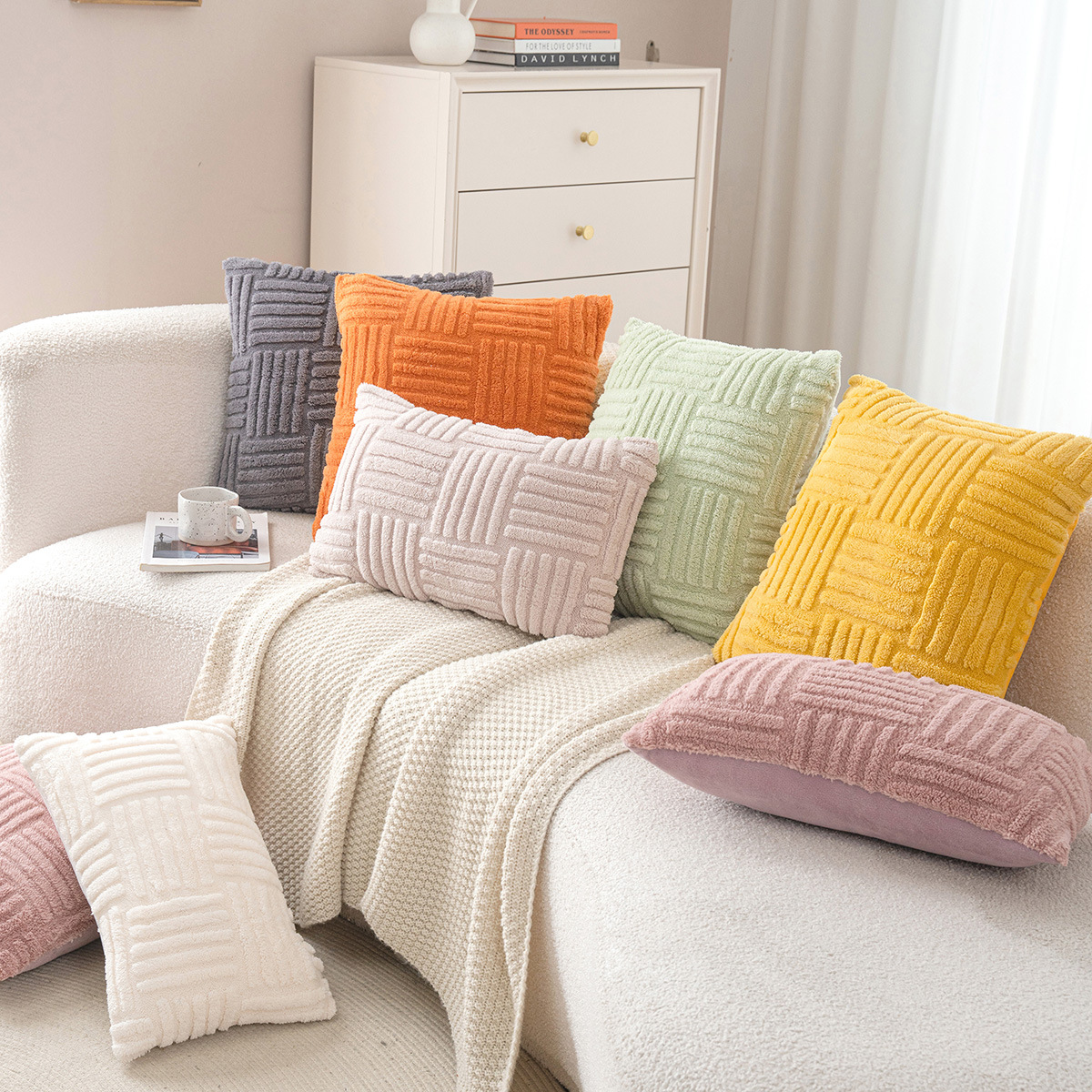
Washing decorative pillows need not be an arduous task. Armed with awareness regarding the pillow's material composition and the correct cleaning methods, you can efficiently preserve their beauty and hygiene. Regular maintenance and careful cleaning will ensure your decorative pillows continue to enhance your living spaces for years to come.