Updatetime:2026-06-29 09:04:05 View:
Down alternative pillows are a fantastic option for individuals who want the plush comfort of traditional down but need a hypoallergenic or budget-friendly alternative. However, just like any other bedding item, these pillows require regular care and cleaning to maintain their shape, comfort, and hygiene. Improper washing techniques can damage the pillow’s structure, reduce its longevity, and compromise its performance. In this article, we will guide you through every step of properly washing down alternative pillows while preserving their quality and fluffiness.
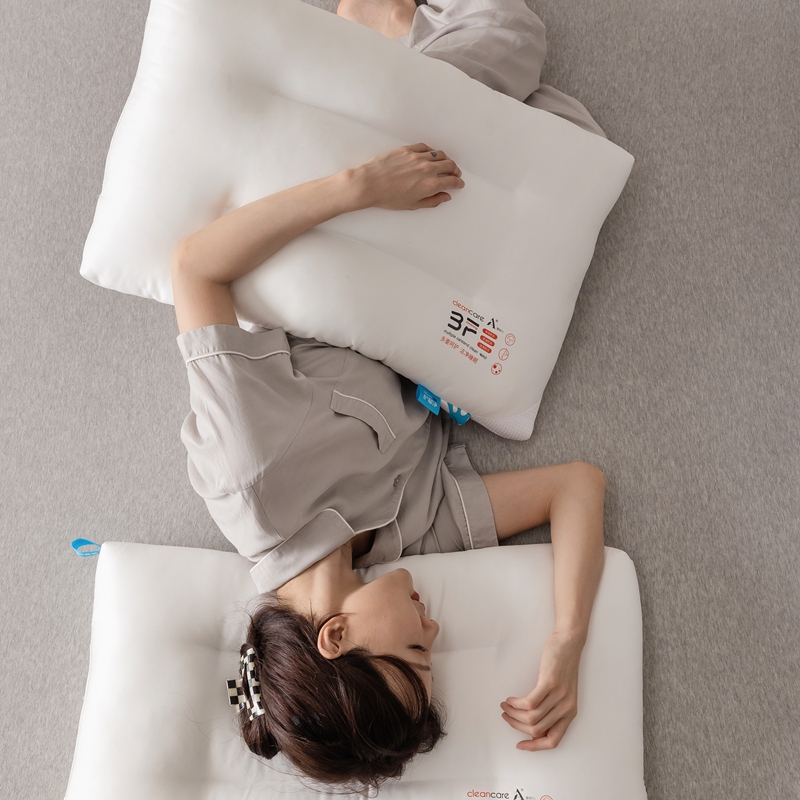
Down alternative pillows are crafted from synthetic fibers, such as polyester or microfiber, designed to mimic the softness and luxurious feel of natural down. They are popular due to their affordability, hypoallergenic properties, and ease of maintenance. While they don't contain real down feathers, they still require special care during the cleaning process to prevent clumping, flattening, or damage to the filling. Being informed about the materials in your pillow will help you effectively clean and maintain it.
Pillows collect sweat, skin oils, dust, dead skin cells, and allergens over time. Regular cleaning is essential not only to maintain hygiene but also to improve the longevity and comfort of your pillows. When properly maintained, down alternative pillows can provide lasting support while offering a healthy and odor-free sleep environment.
Some indicators that your down alternative pillow is due for a cleaning include:
Proper preparation helps protect the pillow and ensures a thorough cleaning process. Before attempting to clean your down alternative pillow, follow these steps:
Start by checking the manufacturer’s care instructions on the pillow label. This label will often provide detailed washing guidelines, including water temperature recommendations, drying methods, and whether machine washing is appropriate. Ignoring these instructions can damage the pillow or void any warranty it may have.
If the pillow only has minor stains, it’s best to spot clean the affected areas. Use a damp cloth with mild detergent to gently scrub the stained section. Avoid soaking the spot, as excess moisture can seep into the pillow and cause clumping or foul odors.
Check your pillow for any tears in the fabric or damage to the seams. If the pillow is ripped, seal it with needle and thread before proceeding to prevent the filling from escaping during the wash.
Washing these pillows can be done either by hand or in a washing machine, depending on personal preference and care label instructions. Below are step-by-step instructions for both methods.
Machine washing is often the easiest and most effective way to clean your down alternative pillows. However, be mindful that not all pillows are machine washable. Here’s how to do it right:
Top-loading agitator-style machines can be too harsh for delicate pillows, potentially ripping the fabric or damaging the filling. If you only have access to a top-loading machine, place the pillow inside a protective washing bag.
To balance the load and avoid uneven washing, wash two pillows simultaneously. This reduces stress on the machine and ensures an even clean.
Choose a mild liquid detergent for optimal cleaning. Powdered detergents can leave residue behind in the pillow filling. Avoid fabric softeners and bleach, as these can degrade the fibers.
Select a gentle or delicate cycle with cold or warm water. Hot water may harm the synthetic fibers or cause the pillow to lose its shape.
If your washing machine allows, run an additional spin cycle to remove excess water from the pillow. This will reduce drying time and prevent moisture damage.
Hand washing is ideal for pillows that are labeled “hand wash only” or for those who prefer a more controlled cleaning process. Here’s how you can do it:
Fill a bathtub or basin with lukewarm water and add a small amount of mild liquid detergent. Mix the water gently until the detergent is evenly distributed.
Place the pillow in the water and gently press it to allow the cleaning solution to penetrate the fibers. Avoid wringing, which can cause the filling to clump.
Drain the soapy water and refill the tub with clean water to rinse the pillow. Repeat this process until no soap suds remain in the water.
Press the pillow gently to remove as much water as possible. Do not twist or wring the pillow to maintain its shape and structure.
Proper drying is just as important as washing. Pillows that are not fully dried can develop mold, mildew, or unpleasant odors. Follow the tips below to dry your down alternative pillows effectively:
To prolong the lifespan of your pillows and reduce the frequency of deep cleaning, follow these maintenance tips:
Ideally, you should deep clean your pillows every 3–6 months. However, factors such as allergies, sweat, or skin conditions may necessitate more frequent washing. Regular maintenance, such as spot cleaning and using protective covers, can help extend the time between washes.
Cleaning down alternative pillows may seem daunting at first, but with the right techniques and tools, you can easily maintain their hygiene, comfort, and longevity. Whether you choose to machine wash or hand wash, always follow the care instructions, use gentle products, and ensure the pillow is thoroughly dried. Properly cared-for pillows not only improve your quality of sleep but also offer excellent value over time. By integrating these practical cleaning and maintenance strategies into your routine, you can enjoy a healthier and more restful sleep environment for years to come.