Updatetime:2026-06-18 12:52:02 View:
Sleep is a fundamental cornerstone of physical and mental well-being, and the pillow you use plays a crucial role in achieving restful sleep. Memory foam pillows, known for their orthopedic and comfort benefits, have become incredibly popular in recent years. However, understanding how to sleep with a memory foam pillow properly can make all the difference between restless tossing and turning or enjoying truly rejuvenating sleep. In this comprehensive guide, we’ll explore various dimensions of sleeping with a memory foam pillow, offering actionable advice and valuable insights for your nocturnal comfort.
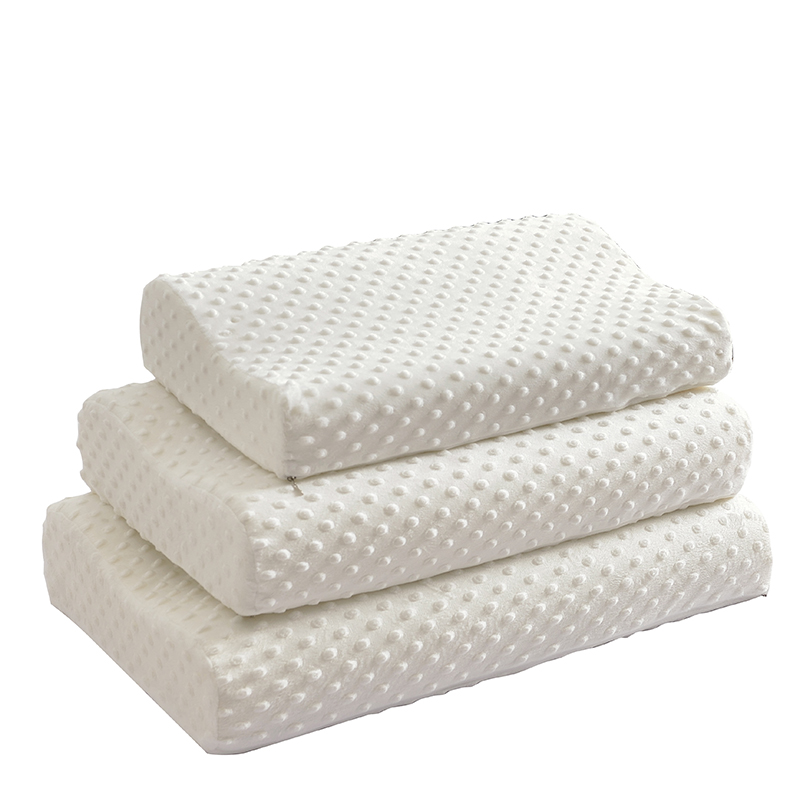
A memory foam pillow is crafted from viscoelastic material, designed to conform to your body’s shape, distributing weight evenly and providing tailored support. Originally designed for medical and scientific use, memory foam pillows adapt to heat and pressure, allowing them to cradle your neck, head, and shoulders comfortably. They are particularly beneficial for people with neck pain, spinal alignment issues, and those seeking enhanced comfort during sleep.
While memory foam pillows are undoubtedly innovative, many people fail to use them optimally. Understanding their unique properties and tailoring your sleeping habits accordingly ensures better effectiveness and satisfaction.
Your sleeping position significantly influences the choice of your ideal memory foam pillow. Here's a breakdown:
Memory foam pillows come in various shapes, including traditional, contour, wedge, and cervical designs. The contour option, for instance, features a curved design tailored to cradle your neck and provide ergonomic support. Invest time in learning the shape that best suits your personal preferences and needs.
Not all memory foam pillows are created equal. Look for pillows made from high-quality, durable memory foam material with certifications that ensure non-toxic and hypoallergenic properties. Higher-density pillows tend to last longer and provide better support compared to their lower-density counterparts.
Memory foam often feels firm and unfamiliar when first used. Breaking it in allows the foam to soften and better conform to your body over time. Here are some steps to accelerate the process:
The way you position your head on the pillow impacts sleep quality. Proper alignment helps avoid unnecessary strain on your neck. For example:
Experiment with pillow height over a few nights to identify the position that feels best for you. Remember that comfort preferences vary from individual to individual.
Memory foam pillows pair exceptionally well with memory foam or other supportive mattresses. A proper mattress ensures your neck’s alignment is consistent with the rest of your spine by providing an even sleeping surface. Combining the two can amplify the benefits of your pillow.
Memory foam retains heat due to its dense composition, which can be uncomfortable for some people, especially in warm environments. To prevent overheating:
Always use a pillowcase or protective cover for your memory foam pillow to keep it clean and extend its lifespan. Opt for breathable, washable covers to maximize cleanliness and airflow.
Memory foam pillows are typically not machine washable, as excessive water can damage the foam. Use the following steps for spot cleaning:
Memory foam pillows benefit from regular airing to release trapped odors and maintain freshness. This can be done by placing the pillow in a well-ventilated area for several hours every few months.
Taking the time to properly use and care for your memory foam pillow translates to numerous benefits over time:
To fully enjoy the benefits of your memory foam pillow, avoid these common mistakes:
To ensure optimal support, consider replacing your memory foam pillow every 2–3 years or when you notice the following:
The foam begins to crumble or exhibit signs of degradation.
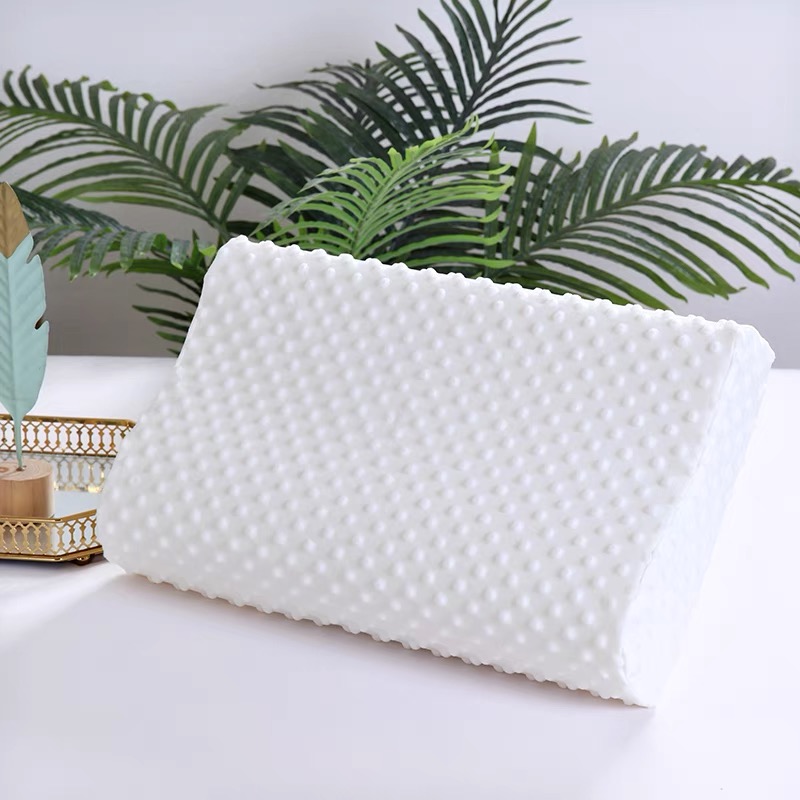
Sleeping with a memory foam pillow is more than just a matter of placing it beneath your head. By carefully selecting the right pillow, understanding its properties, and adjusting your approach to using it, you can transform your nightly rest into a luxurious and restorative experience. Implementing the advice provided in this guide ensures you maximize the benefits of memory foam technology.
Invest in quality sleep today by adopting these practical, actionable strategies, and let your memory foam pillow work wonders for your health and comfort. After all, a good night’s sleep is an invaluable asset that contributes significantly to every aspect of life.