Updatetime:2026-06-18 12:48:49 View:
Getting a good night's sleep is crucial for overall health and well-being, and using a cervical pillow can play a significant role in improving sleep quality. For individuals experiencing neck pain or discomfort, cervical pillows can provide the necessary support to maintain proper neck alignment. This article aims to offer an in-depth guide on how to effectively use a cervical pillow to enhance sleep quality, featuring practical advice and insights to meet diverse needs.
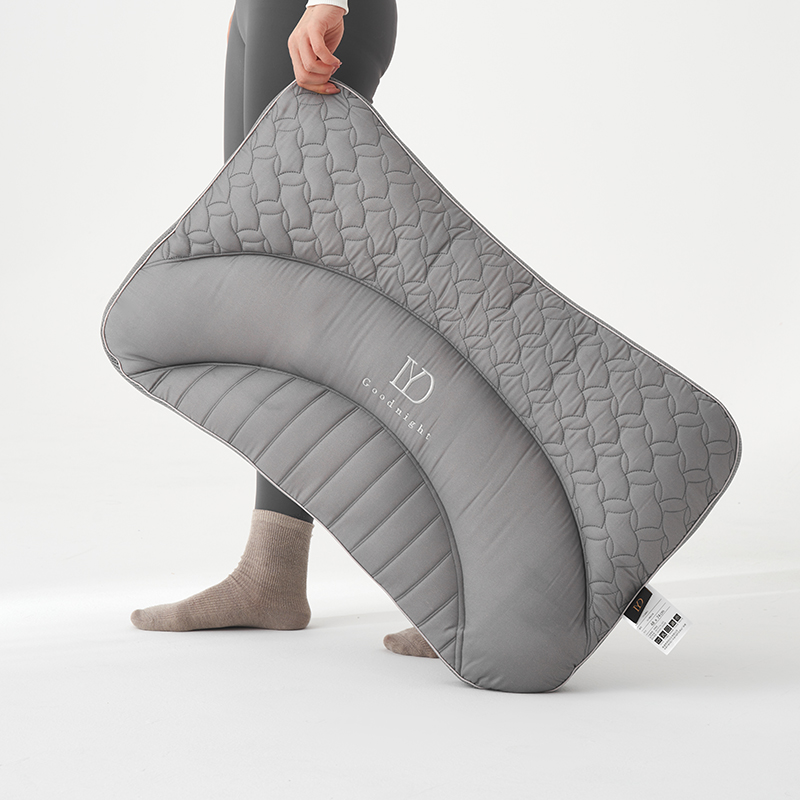
Before diving into the practical use of cervical pillows, it's essential to understand what they are and why they are beneficial. A cervical pillow, also known as an orthopedic pillow or contour pillow, is designed to support the natural curve of the neck, promoting spine alignment. Unlike traditional pillows, cervical pillows have contoured shapes that support the head, neck, and shoulders, reducing strain and discomfort.
Proper neck alignment is critical both during waking and sleeping hours. Misalignment can lead to chronic neck pain, headaches, and even more severe health issues like degenerative disc disease. Utilizing a cervical pillow helps maintain proper spine alignment by supporting the natural curvature of the neck. This reduces strain on muscles and allows for more restful sleep.
1. **Improved Sleep Quality:** With proper neck support, the likelihood of waking up multiple times decreases, ensuring a more restful night's sleep.
2. **Pain Relief:** Alleviates neck and shoulder pain by reducing tension and pressure.
3. **Preventive Care:** Regular use can prevent future discomfort or pain by promoting correct posture during sleep.
4. **Enhanced Breathing:** Proper alignment can help prevent airway obstruction, reducing snoring and potentially alleviating mild sleep apnea.
Choosing the right cervical pillow is paramount for achieving optimal benefits. Here are several key considerations:
Cervical pillows come in various materials such as memory foam, latex, and polyester fiberfill. Memory foam conforms closely to the body, providing customized support, while latex is bouncy and retains its shape. Polyester fiberfill pillows are generally more affordable and hypoallergenic.
The right size and shape depend on individual preferences and sleep positions. Side sleepers might require a different contour than back sleepers. Typically, cervical pillows are available in standard, king, or queen sizes with varying thickness levels to accommodate different body types and sleeping habits.
The firmness of a cervical pillow can affect its comfort and support. A medium-firm pillow is often recommended as it provides sufficient support without being too rigid or too soft. However, personal preference plays a significant role.
Maximize the benefits of a cervical pillow by using it correctly. Here are practical steps and tips.
When sleeping on your back, ensure that the pillow's loft (height) supports the neck curve while keeping the head aligned with the spine. The rounded contour should fit snugly into the nape of your neck.
Side sleepers should choose a pillow with a higher contour to fill the space between the neck and the shoulder. The pillow should keep the head aligned with the spine, not tilted towards the mattress or ceiling.
It may take a few nights to adjust to a cervical pillow. During this period, try using the pillow for short intervals and gradually increasing the duration as comfort improves.
Regular maintenance can prolong the life of your cervical pillow:
Adhere to the manufacturer's instructions, as improper washing can damage the material. Many cervical pillows have removable and washable covers, while some memory foam pillows are spot-clean only.
Like all pillows, cervical pillows have a lifespan. Replace them every 1-2 years or when you notice a significant loss in support or shape to continue receiving optimal benefits.
Incorporating a cervical pillow is only one part of achieving restorative sleep. Here are a few more tips:
Ensure your bedroom is cool, dark, and quiet. Consider blackout curtains or white noise machines if necessary.
Go to bed and wake up at the same time daily to regulate your internal clock.
Avoid electronic devices at least an hour before bedtime to reduce blue light exposure, which can interfere with melatonin production.
When transitioning to a cervical pillow, certain challenges may arise:
If discomfort persists beyond the initial adjustment period, confirm that the pillow size, shape, and firmness match your needs. Consider consulting with a sleep specialist or physical therapist for personalized recommendations.
If new or increased pain occurs, the pillow may not be suitable. Re-evaluate its compatibility with your sleeping position and body type.
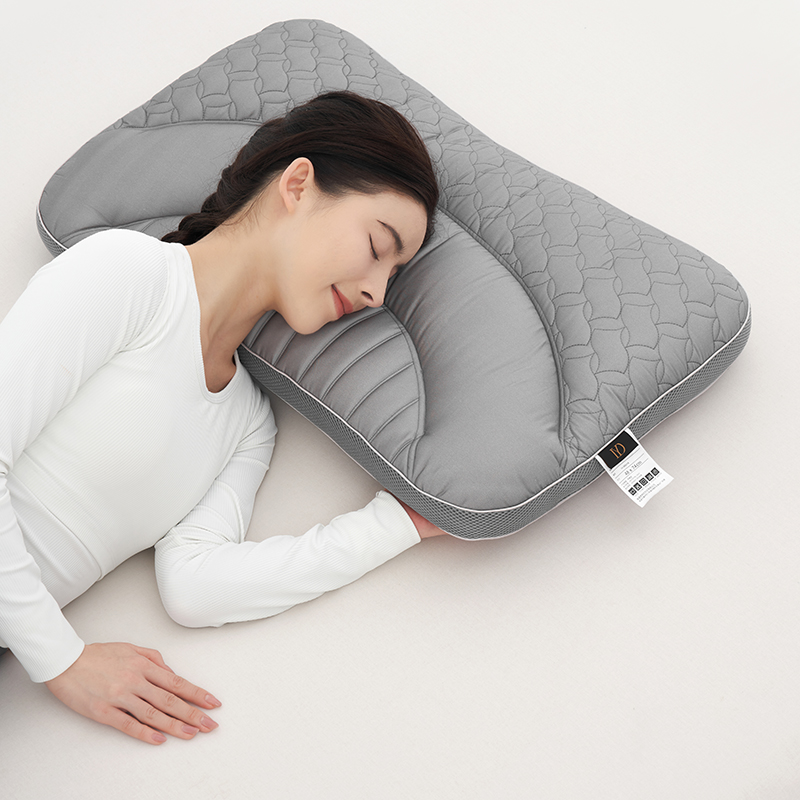
Cervical pillows are a valuable tool in fostering optimal neck alignment and improving sleep quality. By understanding the functions and selecting the right pillow for your needs, you can significantly reduce discomfort and enhance your overall well-being. Remember to use the pillow correctly and maintain it properly for long-lasting benefits. With the right approach, you can transform your sleep into a rejuvenating part of your routine.