Updatetime:2026-06-17 09:02:20 View:
Throw pillows are a fantastic way to add personality and comfort to any living space. Whether you want to freshen up your home decor or offer beautifully hand-crafted items on a foreign trade platform, learning how to sew throw pillow covers is an invaluable skill. This article will guide you through the entire process of creating throw pillow covers, from selecting materials to showcasing your finished products.
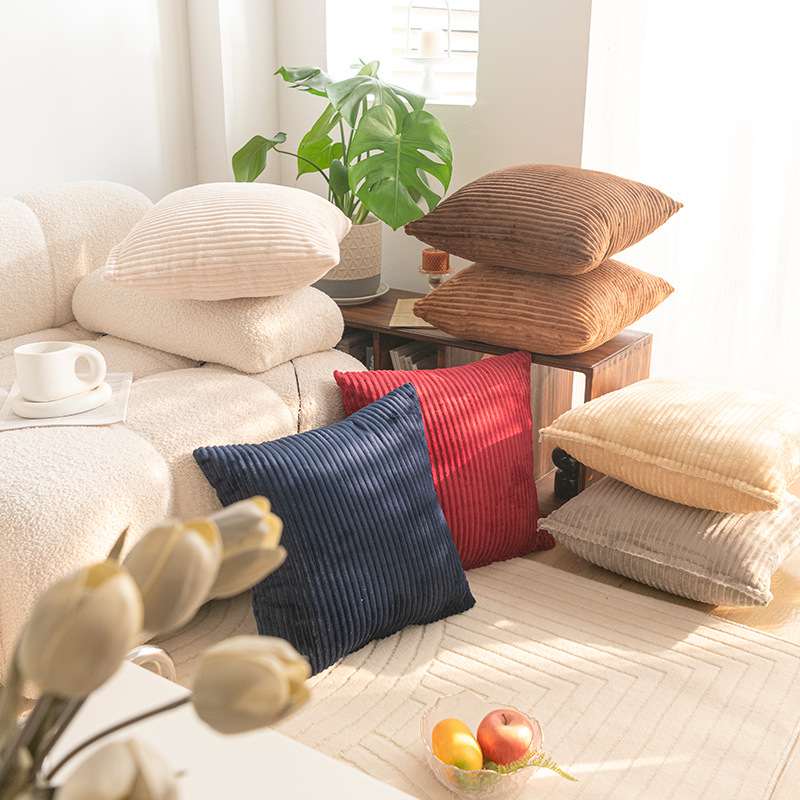
Selecting the appropriate fabric is one of the most crucial steps in creating a visually appealing and durable throw pillow cover. Here are some aspects to consider:
Before you start sewing, gather the necessary tools and materials. Here's a checklist:
Start by measuring your pillow insert. Add an extra inch to each side for seam allowances. For instance, if your pillow insert is 20x20 inches, cut your fabric pieces to 22x22 inches.
Lay your fabric on a flat surface and use chalk or a fabric marker to outline the dimensions. Carefully cut the fabric using sharp fabric scissors to ensure clean, straight lines.
To prevent fraying, finish the edges of the fabric by either serging or using a zigzag stitch on your sewing machine. This will enhance the durability and longevity of your pillow cover.
For easy removal and cleaning, you can sew a zipper into your pillow cover. Align the zipper with the bottom edge of the fabric and sew it in place using a zipper foot on your sewing machine. Ensure you leave a small allowance on each side of the zipper for sewing the remaining seams.
Lay the two fabric pieces together, right sides facing each other. Pin or clip the sides and top edge, leaving the zipper side open. Sew along the three edges using a straight stitch, maintaining a seam allowance of about 0.5 inches.
Trim any excess fabric at the corners to create sharp corners when the pillow is turned. Press the seams open with an iron to achieve a crisp, professional finish. If you opted to close the pillow with buttons or ties, now is the time to sew them on.
Turn the pillow cover right side out through the zipper opening. Carefully poke out the corners with a blunt tool, such as a pencil or chopstick, to ensure they are well-defined. Insert your pillow insert and zip up the cover, admiring your handiwork.
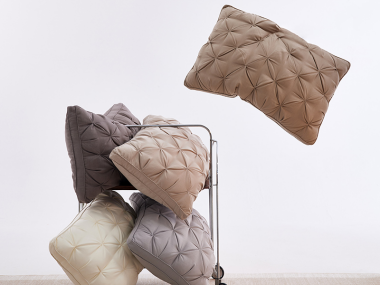
Add a touch of flair with embellishments like embroidery, appliques, or fabric paint. Playing with textures such as ruffles, pleats, or piping can also add visual interest and enhance the aesthetic quality of your pillow covers.
If sustainability is a priority, consider using eco-friendly fabrics such as organic cotton, hemp, or recycled textiles. Many consumers appreciate environmentally conscious choices, which can be a selling point on global trade platforms.
Offering customization options such as monograms or personalized messages can boost the appeal of your pillow covers. Personalized items are particularly popular in the gift industry.
When planning to sell your handmade pillow covers internationally, research the preferences of your target market. Each region may have different tastes in terms of color, pattern, and material, which should inform your design choices.
Set competitive yet profitable pricing for your pillow covers. Consider the cost of materials, labor, shipping, and market prices. Offering bundle discounts or promotions may entice more buyers.
Utilize high-quality photography to showcase your products online. Implement strategic SEO practices to ensure your products are visible on search engines. Engaging with potential buyers through social media and online platforms can also boost your reach and sales.
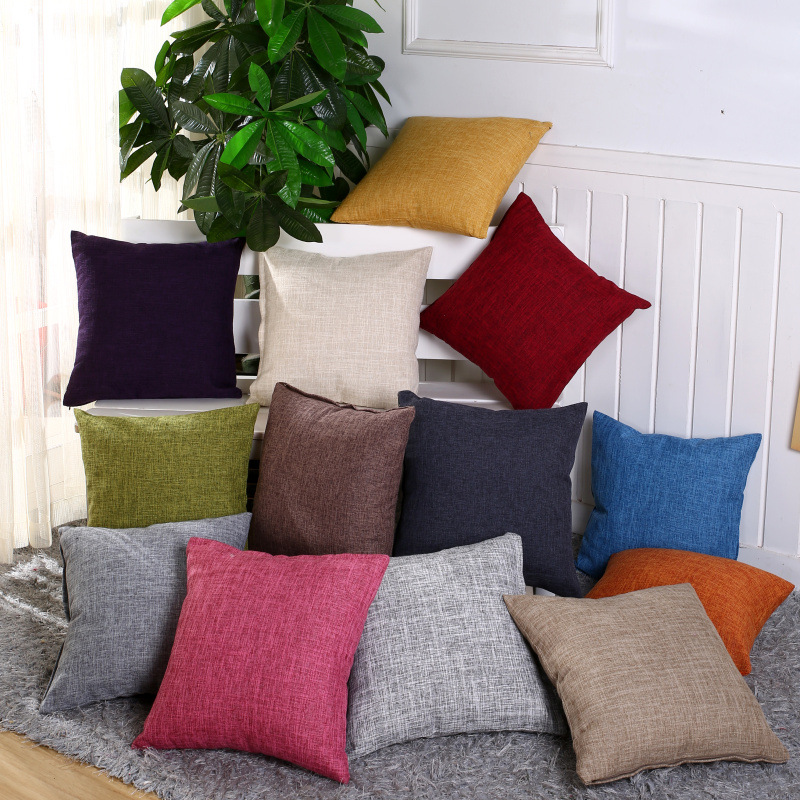
Sewing your own throw pillow covers is not only a rewarding and creative endeavor but also a lucrative opportunity if you choose to sell them on international marketplaces. By following this guide, you're well-equipped to craft beautiful, high-quality pillow covers that reflect your personal style or meet the demands of your global customers. Embrace the art of sewing, and enjoy the satisfaction of transforming simple fabrics into delightful home accents.
With dedication, practice, and a keen eye for design, you can create stunning pillow covers that elevate any living space and appeal to a diverse audience worldwide.