Updatetime:2026-06-17 09:00:10 View:
Decorative pillows are a simple yet effective way to add personality and flair to any living space. Whether you're looking to spruce up your living room, bedroom, or outdoor area, sewing your own decorative pillows allows you to tailor designs to your home’s specific theme. If you're interested in getting started, this article will guide you through the process with detailed steps and insider tips.
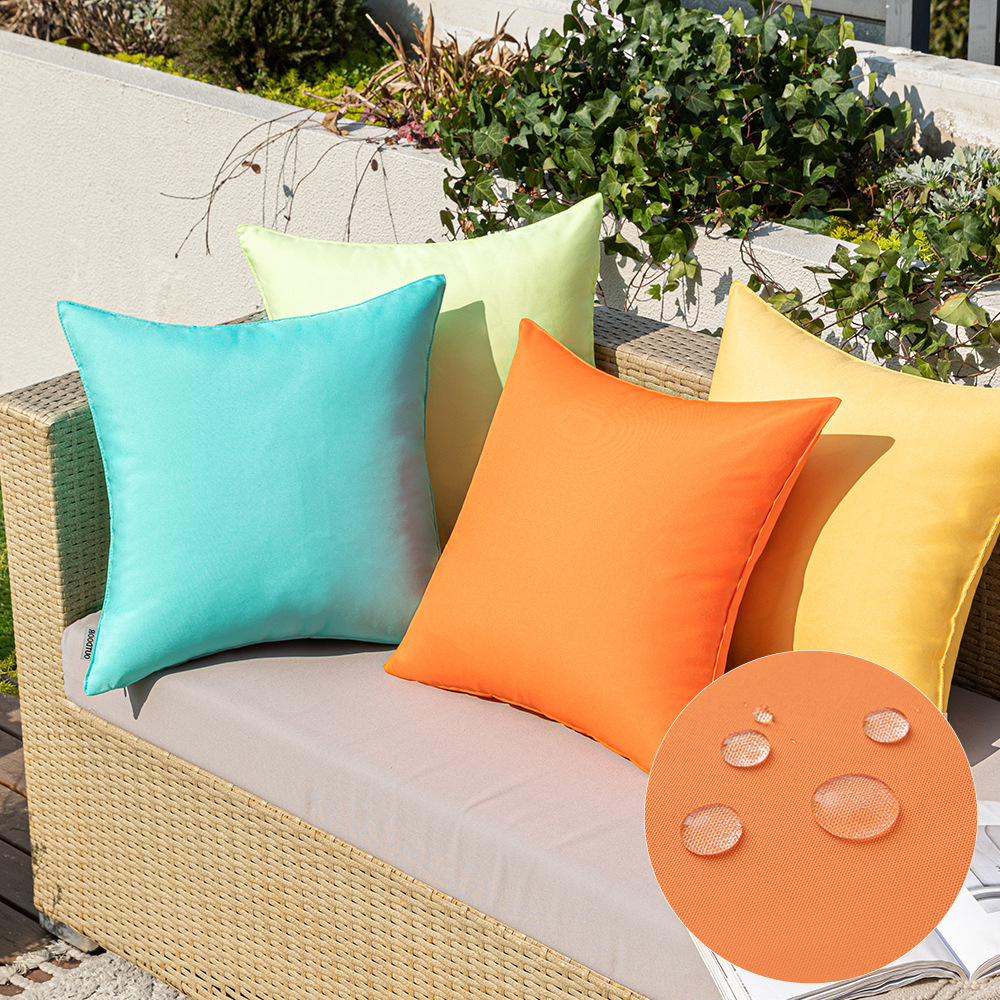
Before diving into the sewing process, it is crucial to understand the basics of what constitutes a decorative pillow. Decorative pillows, also known as throw pillows, are primarily used as aesthetic accents on furniture but can also deliver functional comfort. They are typically square but can come in various shapes, including rectangular, round, or even cylindrical. To make a pillow, you'll need fabric for the cover, stuffing for comfort, and any additional embellishments for extra flair.
Your choice of fabric will significantly impact the pillow's aesthetics and functionality. Consider the space where the pillows will be used. If you're sewing pillows for an outdoor area, choose fabric that is durable and weather-resistant, such as acrylic or polyester blends. For indoor use, options are broader, and you might opt for materials like cotton, velvet, silk, or linen depending on the look you desire.
When selecting fabric, be aware of color schemes, patterns, and textures that harmonize with your existing decor. Complementary colors can enhance visual appeal, while contrasting designs might provide a bold focal point. Texture can add dimension; a mix of smooth and rough textures could add interest and depth.
The stuffing, or filling, is what gives your pillow its shape and firmness. Common materials for pillow filling include polyester fibers, memory foam, cotton, and down feathers. Polyester fibers offer a cost-effective and hypoallergenic option, while down feathers deliver a luxurious feel. Choose your filling based on personal preferences regarding softness, support, and ethical considerations.
To start sewing your decorative pillows, you need several essential tools and materials:
Before starting, ensure you have a functional sewing machine or plenty of needles if you’re sewing by hand. Having the right tools will streamline the process and improve the final quality of your pillows.
Carefully measure your fabric based on the desired size of your pillows, adding an extra inch or two to account for seam allowances. Most decorative pillows are around 18-20 inches square, but you can adjust dimensions to fit your needs.
Use fabric scissors or a rotary cutter and ruler to ensure clean, precise cuts, which are crucial for a professional-looking finished product. Mark your fabric with chalk to guide your cutting process, enabling more accuracy.
Begin by placing two fabric pieces with their right sides together — the right side refers to the patterned or front side of the fabric. Pin or clip along the edges to secure the fabric pieces.
Sew along three sides of your fabric square using the sewing machine or by hand, leaving one side open for inserting the stuffing later. A typical seam allowance is about 1⁄2 inch. For a stronger seam, use a backstitch or a tight zigzag stitch for additional reinforcement.
To enhance your pillow’s decorative potential, consider adding embellishments before stuffing. Embroidered designs, appliques, and trims such as lace or piping can elevate the pillow’s style. Be creative! However, ensure any patterns or decorative elements are attached securely to withstand regular handling.
Turn your pillow cover right-side out, pushing corners into crisp points with a pointed tool like a knitting needle or the closed end of scissors. Carefully fill the cover with your chosen pillow stuffing, ensuring that all corners are evenly stuffed for a smooth appearance.
Finally, close the open side of your pillow. You can do this by hand sewing for a discreet seam, or use the sewing machine for faster closure. A slip-stitch works well for hand sewing and is nearly invisible, while a machine stitch offers durability when seam strength is critical.
After closing your pillow, check for any loose threads or uneven seams and make adjustments as needed. Iron the pillow cover gently if it needs a smoother appearance, but avoid direct heat on embellishments, which could melt or discolor.
Consider where and how you’ll display your pillows. Arrange them in groups or layers to add depth and texture to your space — clustering different sizes and shapes can create an inviting and visually appealing arrangement. Change positions regularly to keep the aesthetic fresh, especially if the pillows are a focal point in your decorating scheme.
The ability to sew your own decorative pillows gives you unprecedented control over your interior design, allowing you to experiment with colors, textures, and patterns unique to your home. This skill not only enhances your crafting proficiency but also provides a cost-effective way to transform any space creatively.
Enjoy the process of crafting your personalized pillows. With patience and creativity, you'll be able to elevate your home decor with handmade touches that express your unique style and vision.