Updatetime:2026-06-10 14:04:18 View:
In the world of home décor, throw pillows play a pivotal role in enhancing the aesthetic appeal of living spaces. Regardless of whether you're an interior design enthusiast, a DIY aficionado, or a foreign trade professional looking to diversify your product offerings, crafting throw pillows can be a rewarding endeavor. This detailed guide will delve into dimensions such as materials, design processes, and marketing strategies for foreign trade purposes, equipping you with practical advice and valuable insights into the realm of throw pillows.
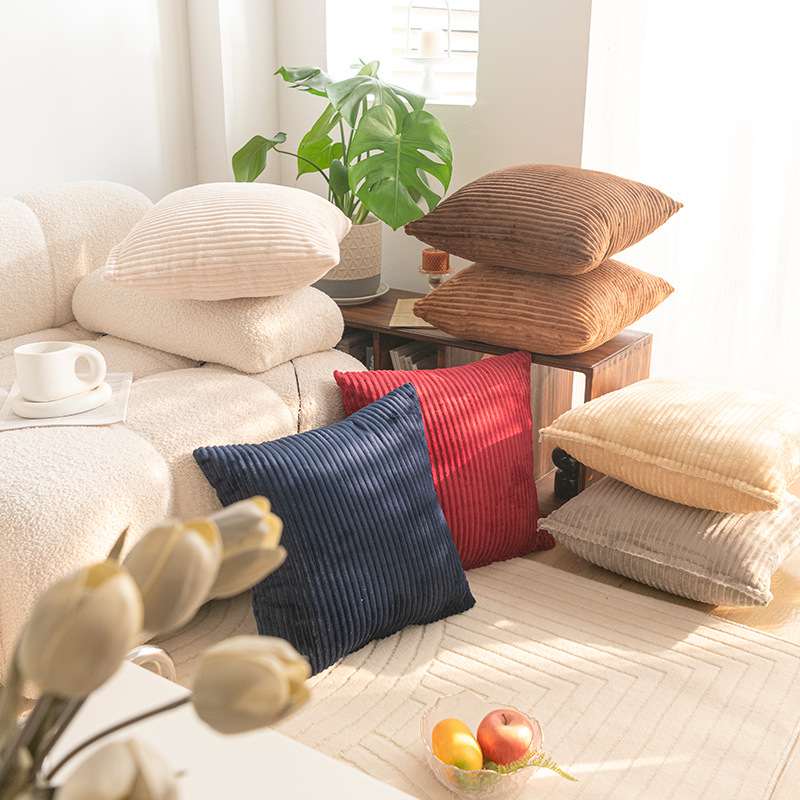
Throw pillows, also known as accent pillows or scatter cushions, are small cushions that can be placed on sofas, beds, or chairs for decorative purposes. They are versatile, easily customizable, and can be made to fit a variety of styles — whether modern, traditional, eclectic, or minimalistic. Understanding their functionality is essential for creating pieces that resonate with the target audience.
Throw pillows do not simply serve a decorative function; they also contribute to comfort and support. They can make a space more inviting and cozy, allowing for personal expression through colors, textures, and patterns. Moreover, they are cost-effective means to refresh a room's look without major renovations.
Choosing the right materials is crucial in producing high-quality throw pillows that stand the test of time. In this section, we'll explore various material options.
The fabric you select for your throw pillows will largely dictate their aesthetic and functional properties. Common fabric options include cotton, linen, velvet, silk, and polyester. Cotton and linen are breathable and ideal for casual settings, while velvet and silk offer a luxurious finish for more formal interiors. Polyester is durable, easy to clean, and suitable for outdoor use.
The filling is what gives your pillow its shape and comfort. Choices include down feathers, synthetic fibers, foam, and cotton. Down feathers provide a soft, plush feel, whereas synthetic fibers like polyfill are affordable and hypoallergenic. Foam offers firm support ideal for ergonomic purposes.
While making throw pillows is a straightforward process, attention to detail is critical to ensuring a high-quality final product. Below is a step-by-step guide:
Start by conceptualizing your design. Consider the room's existing color palette and patterns. Decide on the pillow size, commonly available in dimensions like 16x16 inches, 18x18 inches, or 20x20 inches. Precision in these early stages will ensure your pillows fit seamlessly into the designated space.
Once you have your design and dimensions, proceed to cut the fabric. Measure accurately, using a rotary cutter and fabric scissors for clean edges. Fabric cutting requires precision as it lays the foundation for stitching.
With fabric pieces cut, align them with right sides facing each other. Sew along three sides, ensuring the seams are sturdy and secure. Leave one side partially open for inserting the filling.
Turn the cover right-side out and fill with your chosen stuffing material. Use enough filler to maintain shape but avoid overfilling, as this can lead to discomfort and straining seams.
Finally, sew the open edge either by hand or machine. If desired, add decorative elements like tassels, embroidery, or piping to enhance the visual appeal.
For those in the foreign trade sector, understanding market dynamics is essential to successfully exporting throw pillows.
Research is key to identifying lucrative markets. Consider demographics, cultural preferences, and economic conditions. For instance, markets with cold climates may prefer warm, plush fabrics, whereas tropical regions may lean towards breathable materials.
Ensuring compliance with international standards and regulations is imperative. Prioritize quality assurance by regular testing for durability and safety standards. This builds buyer confidence and fosters long-term business relationships.
Cultivate an online presence through social media, e-commerce platforms, and online marketplaces. Quality photos and engaging descriptions can significantly impact buying decisions. Participating in trade shows and exhibitions can also provide exposure to new markets.
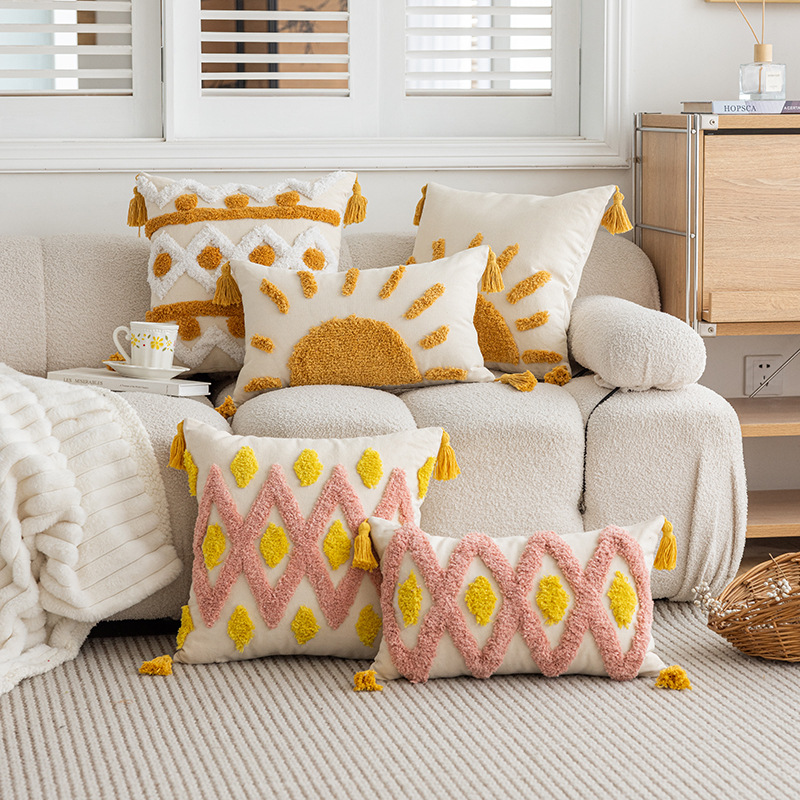
Making throw pillows can be an enriching experience, whether for personal use or business ventures. With careful consideration of materials, meticulous design, and strategic marketing, throw pillows can add charm to spaces while also acting as profitable trade commodities. Equip yourself with extensive market knowledge and manufacturing excellence to truly harness the potential of these versatile décor staples.
Fostering creativity, whilst remaining attuned to trends, will ensure you meet consumer needs both locally and globally—ultimately leading to success in the dynamic world of home décor.
For more information on fabric selection and design patterns, consider exploring craft blogs, interior design magazines, and video tutorials on platforms like YouTube. Networking with industry experts through seminars and workshops can also provide valuable insights and open new avenues for innovation and business growth.