Updatetime:2026-06-10 14:01:32 View:
Throw pillows are a versatile and essential addition to home decor, offering comfort and aesthetic appeal. Their covers contribute significantly to personalizing a space and protecting the pillows from wear and tear. Making pillow covers for throw pillows by yourself is not only economical but also a delightful way to add a touch of creativity to your living area. This article aims to provide a detailed guide on making pillow covers, from the basic requirements to step-by-step instructions and useful tips.
Prior to diving into the process of making pillow covers, it is crucial to understand certain fundamental aspects. These include selecting the appropriate fabric, understanding measurements, and obtaining the necessary tools. Each of these dimensions plays a critical role in the successful crafting of pillow covers.
The choice of fabric depends largely on the purpose of the pillow cover and the overall decor theme. For a rustic and cozy vibe, consider using linen or cotton blends. If looking for something luxurious, velvet or silk might be your best bet. It is crucial to opt for fabrics that are durable and easy to care for, especially if the pillows are subject to frequent use.
Measure the dimensions of the throw pillow accurately before purchasing fabric. This ensures that you have enough material for the pillow cover without running short. It is advisable to add an additional inch to each side to accommodate seams and possible shrinkage during washing. Common throw pillow sizes include 12x12, 16x16, 18x18, and 20x20 inches. Ensure these measurements align with the pillow covers you wish to make.
When embarking on the journey to make pillow covers, having the right tools is essential. Here is a list of must-have tools:
These tools will ensure that the sewing process is smooth and efficient, leading to professional-looking pillow covers.
Begin by washing and ironing the fabric to prevent any shrinkage after the pillow covers are made. This step ensures that the fabric is clean and manageable, making the cutting and sewing process smoother.
Lay the fabric on a flat surface and use the measuring tape and scissors to cut two square pieces, each fitting the measurement of your pillow with an additional inch for seams. If you wish to create an envelope-style pillow cover or add embellishments such as piping, factor these into your measurements.
Pin the two fabric pieces together with their right sides facing inwards. Using the sewing machine, sew around the edges with a half-inch seam allowance. Leave one side open for inserting the pillow. If you are making an envelope-style pillow cover, sew overlapping flaps on one side that can be used for opening and closing.
Consider adding a zip, buttons, or Velcro to secure the open side of the pillow cover. This will help keep the pillow securely inside the cover and provide easy access for washing or replacing.
Trim any excess threads or uneven parts along the seams to ensure a neat appearance. Iron the pillow cover to give it a crisp and professional finish. Turn the cover right side out, and your pillow cover is ready to be adorned onto the throw pillow.
Once your basic pillow cover is ready, you can enhance it with additional creative elements. Here are some techniques to consider:
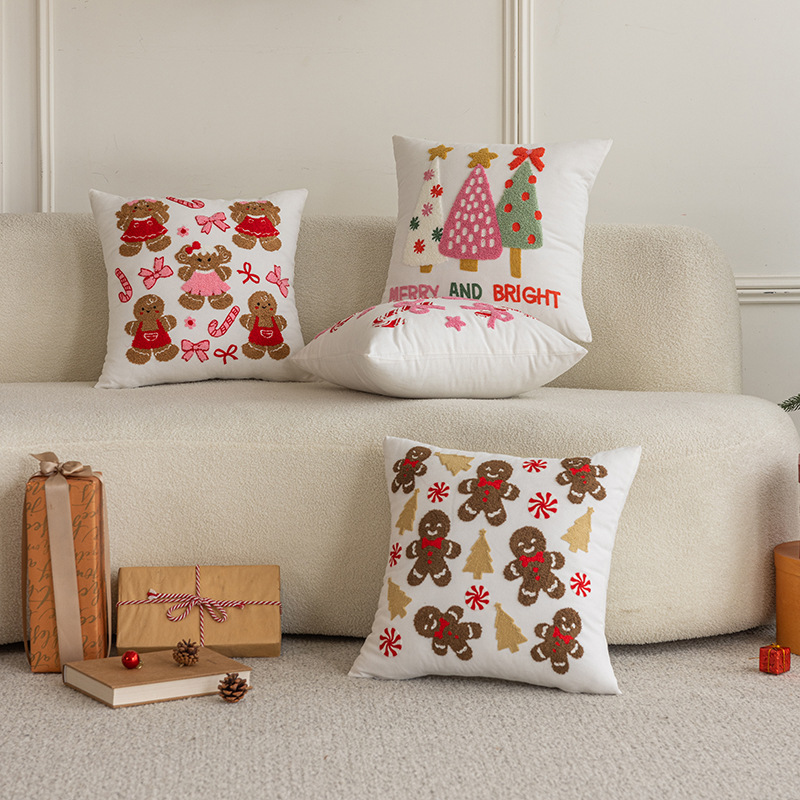
Adding personalized designs using embroidery can enhance the aesthetic appeal of the pillows. Appliqué, involving sewing a piece of fabric onto the cover, is another creative way to add dimension and texture.
Mixing different patterns and colors is an excellent way to inspire visual interest. Coordinate complementary colors and designs to maintain a harmonious balance within your living space.
Consider incorporating fringe, tassels, or beads along the edges for added flair. Such decorative elements can transform the pillows from simple accessories to conversation starters.

Once your pillow covers are complete, follow these tips to ensure longevity and ease of maintenance:
Crafting pillow covers can be a rewarding and enriching experience, allowing you to express your personal style and creativity within your home. By following the steps outlined in this guide, you can create stylish and durable pillow covers that elevate your decor and provide comfort. Happy sewing!