Updatetime:2026-06-09 08:25:04 View:
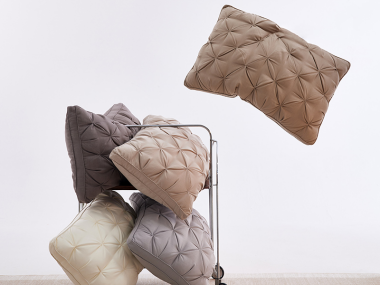
Throw pillows are versatile accessories that can enhance the aesthetic appeal of any space, whether in a home, office, or commercial setting. They come in various shapes, sizes, and materials and can be personalized to match your specific décor. Crafting your own throw pillow allows you to express creativity and ensures you get precisely what you want. This article will guide you through the process of making a throw pillow, offering practical tips and expert insights along the way.

Before diving into the creation process, it's essential to understand why making your own throw pillow can be advantageous. Here are some significant benefits:
The first step in crafting a throw pillow is gathering the necessary materials. Here is a list of items you'll need:
Begin with a clear idea of your throw pillow design. You can sketch it out or visualize it to ensure clarity in your creative process. Determine the purpose (decorative vs. functional), size, and shape of your pillow. Standard sizes include square, rectangular, and round pillows, though you can explore custom shapes for uniqueness.
Depending on your design, you will need two equal pieces for the pillow's front and back. Measure and cut your fabric, ensuring it aligns with your chosen pillow size. Adding a seam allowance of approximately 1 inch on all sides is crucial to accommodate stitching.
If using a sewing machine, set it up with the correct thread, and test on a fabric piece to avoid mishaps. Place your fabric pieces with the right sides facing each other. Stitch around three sides, leaving the fourth open to insert the pillow form or fiberfill. Reinforce the seams by backstitching at the start and end.
Turn the stitched fabric right side out and insert your pillow form or fiberfill. Ensure corners are well-stuffed for a uniform look. If using fiberfill, fluff and distribute evenly for a consistent texture.
Sew the remaining side using an overcast or slip stitch for invisible seams. If using a closure mechanism, attach it before sealing to facilitate easy removal and cleaning.
Now, you can embellish your pillow with optional decorations. Add borders with trim or apply tassels to corners. Embroidery or appliques offer personalized and artistic touches.
Proper maintenance will prolong the lifespan of your throw pillow. Follow these tips:
Rotate Periodically: Shift pillow placements in your space to optimize wear and aesthetics.
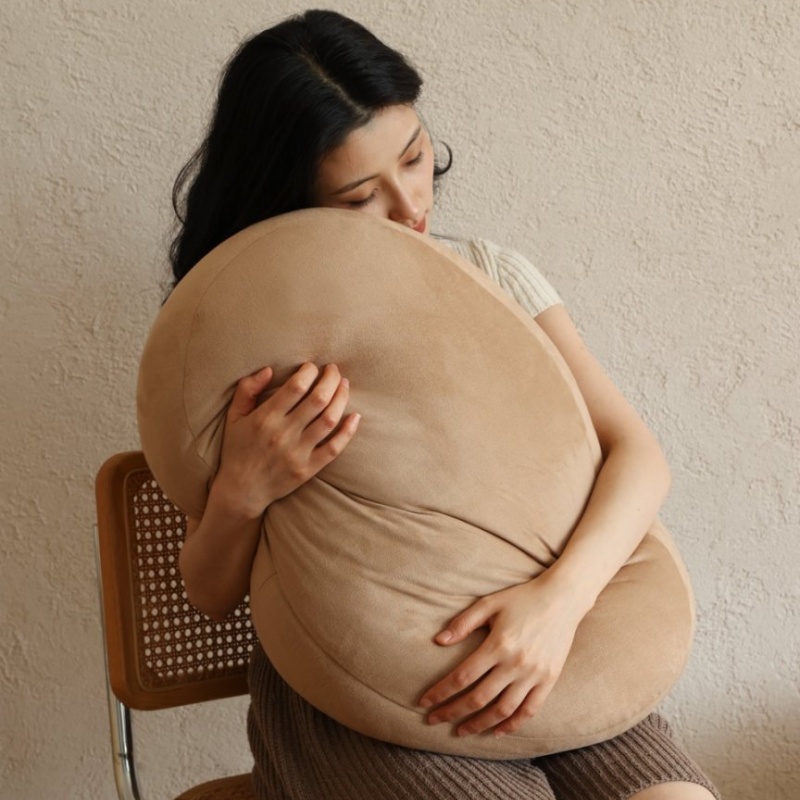
Creating a throw pillow is both a practical and fulfilling endeavor. With the right materials, planning, and commitment, you can craft a beautiful accessory that articulates your style while serving functional purposes. Whether you're a beginner or an experienced craftsperson, the individuality of a handmade pillow offers unparalleled satisfaction. Embrace the process, apply the tips provided, and witness your vision come to life with every stitch.
By diving into making your own throw pillow, you not only gain a bespoke piece but also enrich your creative skills and appreciation for handcrafted items. There's a unique joy and pride in knowing your pillow was carefully made by your hands. So, gather your tools, unleash your creativity, and transform your living space with personalized pillow creations.