Updatetime:2026-06-08 09:38:17 View:
Decorative pillows are one of the simplest yet most transformative ways to jazz up your living spaces. They serve multiple functions - from adding pops of color and texture to your sofa or bed to providing comfort and support. Making your own decorative pillow allows you to customize it to match your personal style and home decor precisely, while also giving you the satisfaction of crafting something beautiful with your own hands. This comprehensive guide will walk you through the process of creating decorative pillows, offering tips on materials, design, and techniques to ensure the best results.

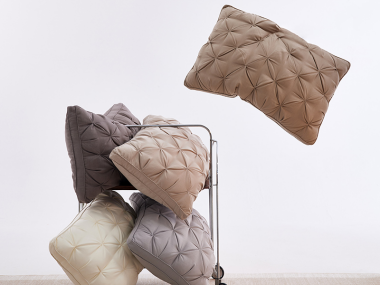
Before diving into the creation process, it is essential to understand what defines a decorative pillow. Typically, these pillows come in various shapes, including squares, rectangles, circles, and more unique designs like bolsters or novelty shapes. They can feature diverse embellishments, such as piping, tassels, or appliqué, and can be made from a range of fabrics depending on the desired effect, including cotton, velvet, silk, or linen.
Selecting appropriate materials is crucial for the aesthetic appeal and durability of your decorative pillow. Consider the following aspects:
Successful design is key to a captivating decorative pillow. Follow these guidelines to create a pillow that complements and enhances your living space:
Start with sketches or mood boards to visualize the intended outcome. Consider the following:
Determine the ideal size and shape of your pillow based on where it will be displayed. Standard square pillows (18x18 inches or 20x20 inches) are versatile, while long rectangular pillows work well on couches and beds for added support.
Once you've planned your design and gathered your materials, follow these steps to create your pillow:
Using your chosen dimensions, cut two pieces of fabric. Ensure to leave extra allowances for stitching (typically 1/2 inch around the edges). If incorporating piping, cut bias strips from the same or contrasting fabric.
Place the fabric pieces right sides together, aligning all edges. Pin securely. Sew around the edges with a straight stitch, leaving an opening (roughly 4-6 inches) on one side for the filling. To add piping, sew it between the layers, aligning piping edge with the fabric edge before stitching.
After sewing the cover, turn it inside out through the opening, gently pushing out corners for a crisp finish. Insert the filling material, ensuring even distribution for a uniform appearance. For foam inserts, ensure they fit snugly inside the cover.
Finish by stitching the opening closed using a hand stitch (such as ladder stitch or slip stitch) for an invisible seam. Ensure your stitches are secure for durability.
If desired, add final embellishments like buttons, tassels, or embroidery. Hand-sew these elements onto the pillow, ensuring they complement the overall design.
Here are some extra insights to consider throughout your pillow-making endeavor:
Experiment with Layers: If desired, layer fabrics for added texture. Use a transparent or semi-transparent overlay for visual interest.

Creating a decorative pillow is a rewarding and relatively simple project that can refresh your living space’s aesthetics. By carefully selecting materials and planning your design, you can craft a pillow that perfectly matches your personal style and home decor needs. Remember that practice and creativity are key, so don't be afraid to experiment with different shapes, sizes, and embellishments. Whether you're a seasoned DIY enthusiast or a beginner seeking a new hobby, crafting decorative pillows offers a satisfying mix of creativity and functionality tailored to your taste.