Updatetime:2026-06-05 09:09:02 View:
Fitted sheets are a common and convenient bedding staple, designed to stay in place over the mattress and give your bed a clean, polished appearance. However, many people struggle with keeping fitted sheets securely in place, especially if they toss and turn while sleeping or own a mattress that isn’t perfectly standard in shape or size. If you’re tired of waking up to find your fitted sheet bunched up or slipping off the corners, this article will provide valuable insights and practical solutions for keeping your fitted sheet firmly on your bed, no matter your circumstances.
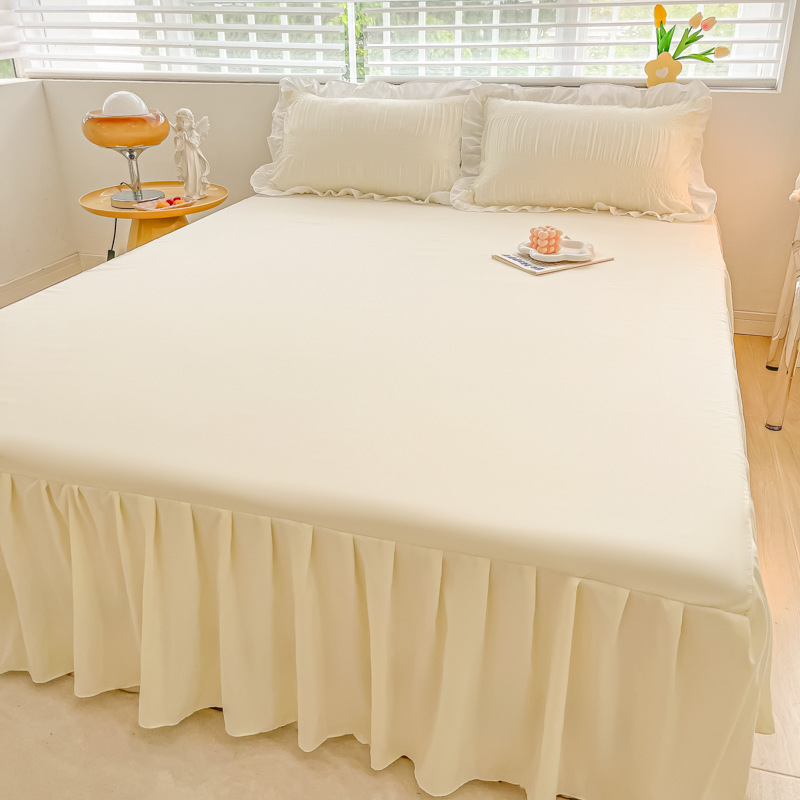
To address the problem, it’s crucial to understand why fitted sheets tend to lose their hold on mattresses. Several factors contribute to this issue:
One of the primary reasons fitted sheets slip off is that they are not properly sized for your mattress. Mattresses can vary in thickness, width, and length, and if your fitted sheet doesn’t match those dimensions accurately, it will inevitably shift or slip off.
The elastic band on fitted sheets is what gives them their grip, but over time, this elastic can weaken, stretch, or lose its resilience. A worn-out elastic band will struggle to keep the fabric tightly tucked under the mattress.
Mattresses themselves can move slightly, especially if you have a lighter mattress or one on an uneven base. This movement can exacerbate the issue of fitted sheets sliding off.
If you or your family members tend to toss, turn, or move a lot during sleep, the extra motion can quickly displace a fitted sheet or pull it away from the mattress corners.
Some fitted sheets, especially those made from slippery fabrics like silk or certain types of cotton, are less likely to stay in place compared to sheets with a grippier texture.
Now that we understand the potential causes, let’s explore actionable ways to keep your fitted sheets securely in place. Below, we’ll discuss solutions that address various dimensions of the problem, ensuring that you can choose the method(s) best suited to your situation.
Invest in fitted sheets that match the exact dimensions of your mattress, including its thickness. If your mattress is thicker than normal, consider looking for sheets labeled as ""deep pocket"" or ""extra deep pocket."" These are designed to accommodate larger mattresses and prevent loss of grip.
When shopping, be sure to measure your mattress carefully. Take measurements for length, width, and depth to avoid purchasing sheets that are too small or overly loose.
If the fitted sheet you’re using has lost the elasticity in its corners or edges, it’s time to retire it. Elastic is critical for a secure fit, and once it’s no longer functional, the sheet will continue to slip off regardless of other adjustments you make.
When purchasing new fitted sheets, look for options with strong elastic bands or secure corner construction to enhance their hold on the mattress.
Sheet straps, sometimes called sheet suspenders, are a highly effective way to keep fitted sheets firmly in place. These are elastic bands with clips that attach securely to the corners of the sheet and underneath the mattress. They keep the sheet taut and prevent it from slipping, even if you move around frequently during the night.
To use sheet straps:
Sheet straps are inexpensive, easy to install, and work well on almost any type of bed.
Another effective solution is to use a non-slip mattress pad or grip liner underneath your fitted sheet. These pads create friction between the mattress and the sheet, helping to prevent movement and ensuring the sheet stays securely in place. Non-slip pads are especially helpful if your mattress tends to move on its base.
If your sheet corners tend to slip off frequently, consider strategic layering and tucking techniques. For example:
If you notice frequent mattress movement contributing to the problem, focus on stabilizing the mattress itself. Use anti-slip pads or friction tape between the mattress and its base to anchor it and reduce shifting.
Certain materials naturally grip the mattress better than others. If you experience constant fitted sheet movement, opt for sheets made from flannel, jersey, or microfiber fabrics that tend to have a better hold on the mattress surface compared to satin or silk-based sheets.
If the elastic band of your existing fitted sheet is weakened but the fabric is still in good condition, you can add stronger elastic yourself as a DIY project. Sewing new elastic or elastic bands to the edges of your sheet can restore its grip and save you from buying new bedding.
The following practices not only enhance fitted sheet performance but also maintain the overall quality of your bedding:
Over time, the constant motion of getting in and out of bed can cause specific points of the mattress to wear unevenly, making it harder for sheets to stay in place. Rotate or flip your mattress periodically to ensure even wear.
Overwashing or washing fitted sheets with high heat can weaken elastic bands prematurely. Follow manufacturer recommendations for washing and avoid heat settings that could damage the elastic.
If you use multiple layers under your fitted sheet, such as mattress protectors or toppers, verify that all layers fit snugly and are well-tucked before applying the fitted sheet. Loose layers underneath can contribute to movement.

Maintaining your fitted sheet securely on your bed doesn’t have to be an ongoing battle. By selecting the right size, using helpful tools like sheet straps, and implementing strategic tucking and layering techniques, you can ensure your fitted sheet stays in place all night long. Pay attention to other influencing factors such as mattress stability, fabric type, and sheet elasticity to further optimize your bedding setup.
Whether you’re facing challenges due to restless sleep, a slippery mattress, or worn-out sheets, the solutions discussed in this article offer practical and versatile ways to help you keep your bed looking its best and ensure comfort every night. With these tips, you’ll no longer have to worry about waking up on bare, uncovered corners of your mattress, allowing you to enjoy restful, uninterrupted sleep.