Updatetime:2026-06-05 09:04:48 View:
Inserting a zipper into a pillow is a skill that can elevate your home décor projects or improve your business production process if you're in the textile trade. It enhances the functionality of the pillow cover, allowing you to easily remove and clean the fabric or switch out designs. Whether you're a hobbyist or a professional working in the foreign trade sector, this comprehensive step-by-step guide will provide you with the tools and techniques needed to insert a zipper into a pillow like a professional.
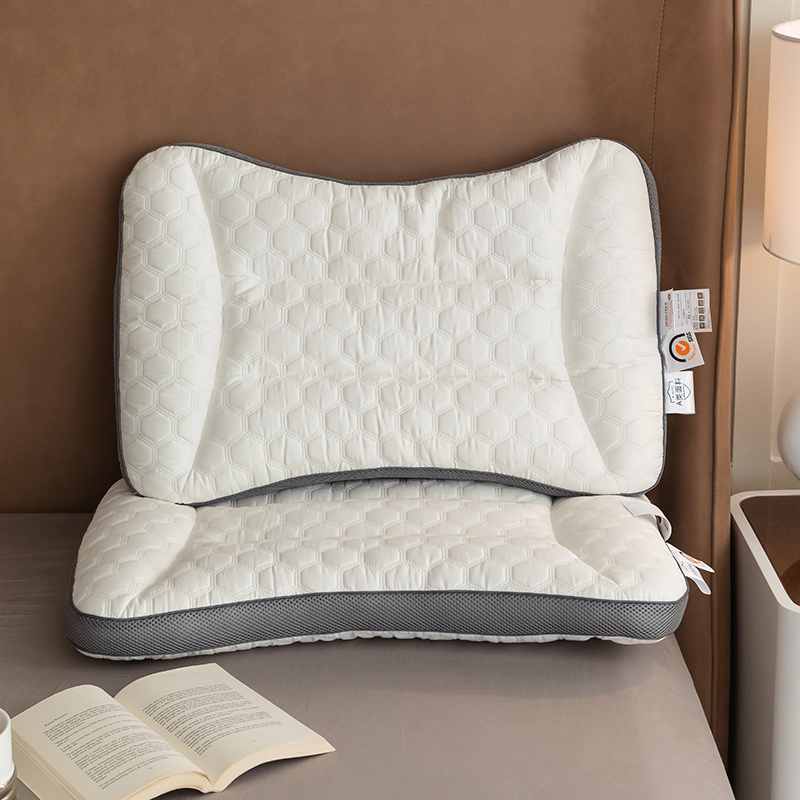
Zippers add convenience and versatility to pillows and pillow covers. By enabling them to be opened and closed securely, zippers allow easy access to the pillow insert or stuffing. This can extend the life of your pillows by making washing or replacing the pillow fabric effortlessly simple. Furthermore, including a zipper improves the aesthetic appeal of the pillow design by offering a clean and modern look compared to other closures, such as buttons or envelope-style folds.
Before starting your zipper installation, gather the following tools and materials to ensure a seamless experience:
Start by cutting your pillow fabric to the desired dimensions. Add seam allowances, typically around 1.5cm to 2cm (or 1⁄2 inch to 3⁄4 inch), to account for sewing. For example, if your pillow insert is 16""x16"", cut your fabric to 17""x17"". If the fabric is prone to fraying, consider finishing the edges using a serger or zig-zag stitch to make the material easier to work with.
Press the fabric with an iron to smooth out any wrinkles. A flat and prepped surface makes sewing much more accurate and professional.
Choose the right zipper for the job. Nylon coil zippers are flexible and easy to sew and are often recommended for pillows. Ensure the length of the zipper matches or is slightly shorter than the width of the pillow fabric.
For example, if your pillow width is 17"", select a zipper around 16"" in length. If needed, you can shorten a longer zipper by creating a new stopper using stitches or by cutting and securing the end.
Lay one piece of the pillow fabric with the ""right side"" (the front or decorative side) facing upward. Use a fabric marking tool to identify where you want your zipper to start and end. This is typically on one side of the pillow, along the seam edge. Marking ensures precision and helps avoid guesswork during stitching.
Align both pieces of pillow fabric, with the ""right sides"" facing together. Pin or clip the fabric pieces along the edge where the zipper will be installed. Sew the seam using a basting stitch (a temporary, long stitch) along the zipper placement line. The basting stitch allows you to easily remove the thread later during installation, making this an essential step.
Ensure the seam stays straight, as this will form the foundation for your zipper placement.
Lay your zipper face-down (teeth side touching the fabric) along the basted seam line. Use your sewing pins or clips to secure the zipper in place. Double-check the alignment to ensure the zipper is centrally positioned and matches the fabric edges. This step is crucial for a clean and professional-looking finish.
Replace your regular sewing machine foot with a zipper foot attachment. This specialized tool allows you to sew closer to the zipper teeth for a clean and secure finish.
Sew along one side of the zipper tape, ensuring your stitching is straight and even. Once you reach the bottom of the zipper, pivot and sew up the other side. Keep the needle close to the zipper teeth, but avoid sewing directly onto them to prevent damage to either the needle or the zipper.
Carefully remove the temporary basting stitches using a seam ripper or blunt-edge scissors. This step reveals the opening created by the zipper. Check to ensure that the zipper slides smoothly and appears aligned with the seam.
Once the zipper is secure, sew the remaining edges of the pillow fabric together with the “right sides” facing inward. Make sure to backstitch at the beginning and end of seams to strengthen your stitches. After sewing, trim excess fabric along the seam allowances to reduce bulk.
Turn the pillow cover inside out so the “right side” faces outward. Press the seam edges with an iron to create a polished and professional finish.
Here are some expert tips to guarantee your zipper insertion is smooth and flawless:
Many beginners face challenges when inserting zippers correctly. Here are common mistakes and solutions:
If you’re in the foreign trade textile market, mastering the art of inserting zippers into pillow covers can differentiate your product offerings. Zippers improve functionality, making pillow covers highly desirable for export markets. Include thorough quality checks to ensure every zipper operates smoothly and is neatly finished.
Additionally, consider offering customization options for zipper colors or materials to cater to diverse preferences in international markets. Highlight zipper durability and design in product descriptions to appeal to potential buyers who value convenience and aesthetics in home décor products.

Inserting a zipper into a pillow cover is a valuable skill that combines both creativity and functionality. By following this detailed guide, you can create professional-grade pillow covers with ease, whether for personal use or to serve customers in the foreign trade textile market. Remember that precision, preparation, and practice are key to achieving perfection.
With the right tools, techniques, and insights, you’ll be able to transform simple pieces of fabric into stylish, functional pillow covers that showcase your expertise and meet the demands of discerning customers. Happy sewing!