Updatetime:2026-06-04 11:43:54 View:
Embroidering on a pillow is a creative and satisfying way to personalize your home decor. Whether you're seeking a bespoke touch for your living room or looking for a handmade gift idea, embroidery on pillows can be an exciting venture. This article is designed to guide you through the process with practical advice and valuable insights to ensure successful results.
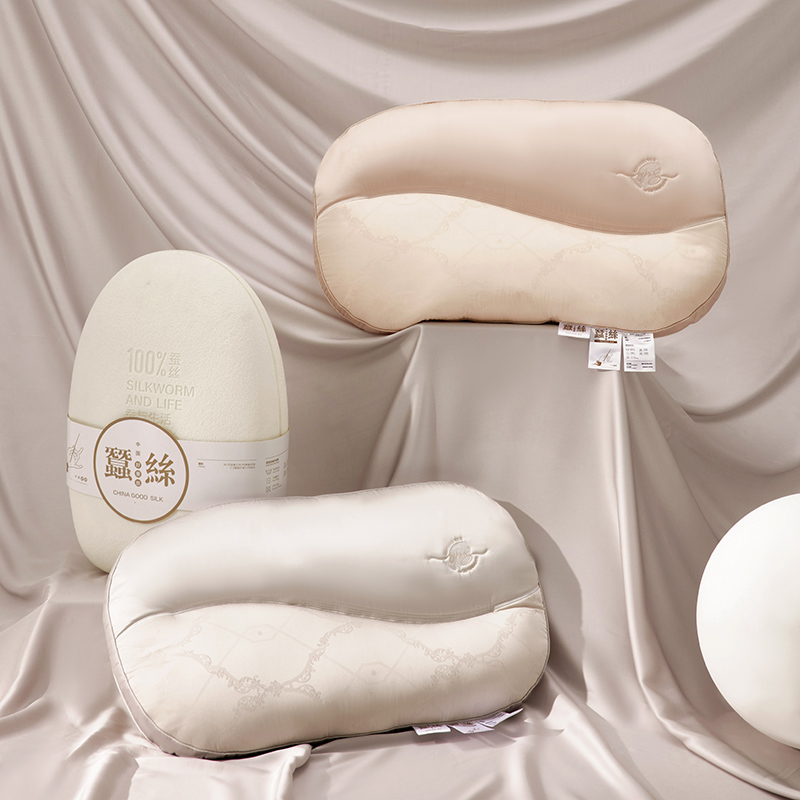
Before embarking on your embroidery journey, it's essential to familiarize yourself with the basics. Embroidery involves decorating fabric using needle and thread. Pillows, as a medium, offer versatility as they can be fashioned with various fabrics, from cotton to linen, and can accommodate diverse embroidery styles, including cross-stitch and free-motion embroidery.
Proper preparation is a key determinant of embroidery success. Allocate time for planning and designing to achieve your desired outcome.
The choice of fabric is pivotal. Consider a fabric that's comfortable to work with, not too thick, to allow seamless needle penetration. Lightweight cotton and linen are excellent choices for beginners.
Design selection is largely based on personal preference. However, consider designs that complement your interior decor. Floral patterns, geometric shapes, or even personalized text are popular choices. Draft your design on paper or directly onto the fabric using a fabric marker.
Create an organized and well-lit workspace to enhance your focus and comfort. A clutter-free environment will facilitate better concentration and reduce mistakes.
Embroidery is an art with varied techniques, each offering unique outcomes. Start simple, then explore more complex methods as you gain confidence.
Familiarize yourself with basic embroidery stitches:
As you become proficient, experiment with advanced techniques like chain stitch or thread painting for intricate designs. These methods require practice, patience, and precision but yield stunning effects.
Begin by transferring your chosen design onto the fabric. Use a fabric marker for clear visibility. If necessary, iron the fabric in advance to eliminate creases that may interfere with the stitching process.
Insert the fabric into an embroidery hoop, adjusting it until it's evenly taut. This ensures neat and consistent stitching without fabric shifting.
Start stitching your design, following the outline. Allocate adequate time for the process, taking breaks to prevent overstraining your eyes and hands.
After completing your embroidery, examine the piece for any loose threads or unfinished sections. Iron it gently to settle threads, ensuring the final piece appears crisp and neat.
Once your embroidery is complete, it's time to integrate it into a pillow. If you began with a pre-made cover, simply insert the pillow. For those crafting from scratch, the subsequent steps will guide you through completion.
If constructing the pillow manually, select a complementary fabric for the pillow's rear side. Align the embroidered front and the rear fabric, sewing them together, leaving a slight opening to insert the filling.
Insert stuffing into the pillow through the opening, adjusting until you reach the preferred firmness. Sew the opening shut, ensuring stitches are concealed for a clean finish.
Proper maintenance will preserve your pillow's aesthetic appeal and longevity. Here are some best practices:
Handwashing is recommended for embroidered pillows to protect threads and fabric integrity. Use a mild detergent and avoid excessive agitation.
Store embroidered pillows away from direct sunlight to prevent fading. Preferably, keep them in a dry, cool environment to avoid fabric deterioration.
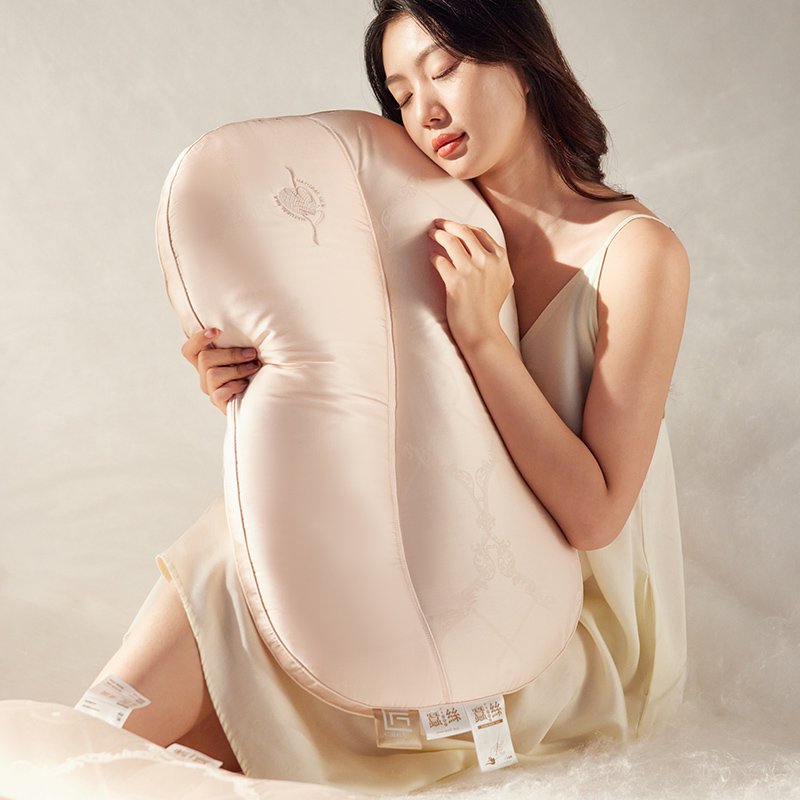
Embroidering on a pillow can be an immensely rewarding endeavor. From the design selection to the meticulous stitching, it allows for creative expression and personalization. By adhering to the steps outlined above, and progressively refining your techniques, you can produce stunning embroidered pillows that become cherished elements of your living space.
Whether you are a novice or seasoned embroiderer, the possibilities are endless. Embark on this artistic journey with confidence, knowing that each stitch brings you closer to creating a unique piece that encapsulates your personal style. Happy embroidering!