Updatetime:2026-06-04 11:46:38 View:
Pillowcases are pivotal elements in home décor, offering both aesthetic appeal and functionality. Among myriad designs and embellishments available, embroidery stands out for its timeless elegance and versatility. This article will provide a comprehensive guide on how to embroider pillowcases, considering various aspects such as tools, techniques, and tips for beginners and seasoned embroiderers alike.
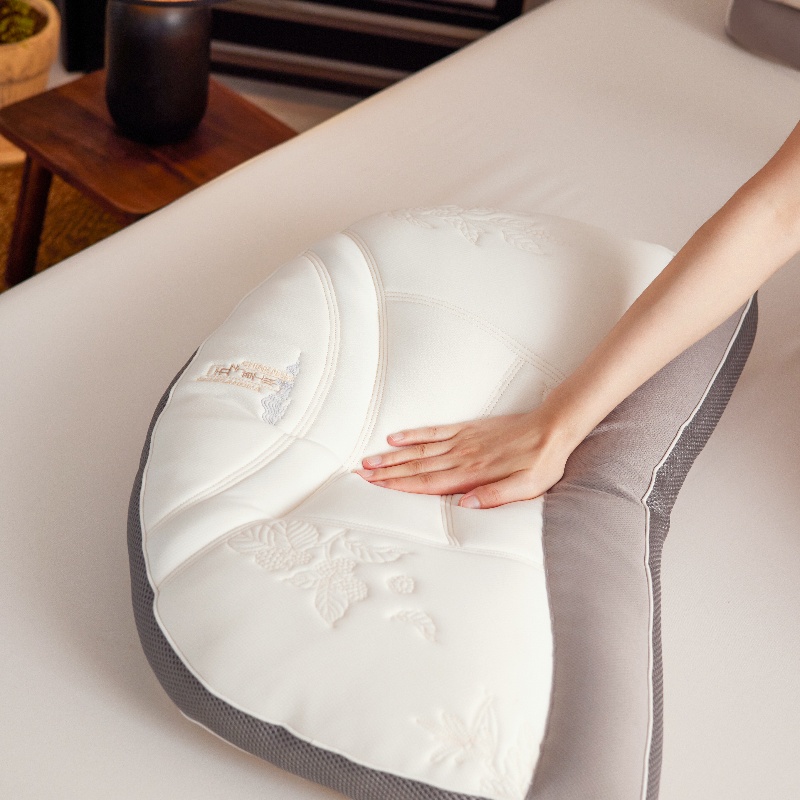
Embroidery is the art of decorating fabric using needle and thread. It transcends mere fabric adornment, offering multiple benefits:
To embark on your embroidery journey for pillowcases, it's imperative to have the right tools and materials. Below is a list of necessities:
Choose quality pillowcase fabric, preferably cotton or linen, which is conducive for embroidery due to its texture and ease of handling.
Embroidery floss comes in a variety of colors and finishes. Opt for high-quality threads to ensure vibrant colors and minimal breakage.
An embroidery hoop is vital for maintaining tension in the fabric as you stitch. This helps in achieving uniform, neat stitches.
Embroidery needles vary in size and type. For pillowcase embroidery, needles with a large eye and sharp point are ideal for easy threading and smooth stitching.
A pair of sharp scissors is essential for trimming threads and creating clean cut edges for your fabric.
Templates can help guide your designs and are particularly useful for complex or symmetrical patterns.
Once your tools and materials are ready, follow these steps to begin embroidering:
Begin by selecting an embroidery design that appeals to you. Consider your skill level, fabric type, and intended uses when choosing a design. If you're new to embroidery, simple designs like geometric shapes or floral patterns can be a good starting point.
Wash and iron the pillowcase fabric to remove any wrinkles and shrinkage. Stretch the fabric tightly across the embroidery hoop, ensuring it's taut but not distorted.
Using stencils or a disappearing ink pen, trace your chosen design onto the fabric. Always work under good lighting to ensure precision.
Cut your embroidery floss to a manageable length, often about 18 inches long, and thread your needle. Knot the end of the floss to prevent it from unraveling during stitching.
Begin embroidering your design using techniques like back stitch, satin stitch, or cross stitch. Practice consistent tension and uniformity across stitches for a professional finish.
Once you've gotten the hang of basic stitches, explore advanced techniques to elevate your pillowcase embroidery:
Adding fabric pieces onto your pillowcase, secured with decorative stitches, creates depth and texture in your design.
Integrating beads into your embroidery can provide a three-dimensional effect, adding glimmer and luxury.
Shadow work involves a double-sided design that creates a shadow effect, offering sophistication to lighter fabric shades.
Below are some practical insights to keep in mind:
Invest in Quality: High-quality materials tend to yield superior results and longevity.
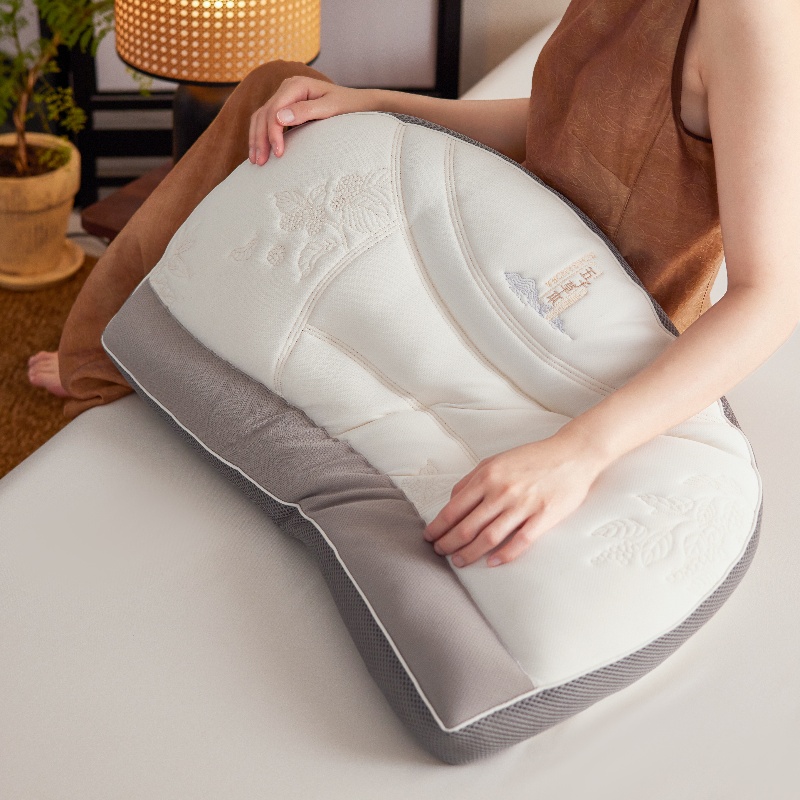
Embroidery is more than just a craft; it is an expression of creativity, a celebration of individuality, and a tool for enhancing personal space. By following the steps and insights outlined in this guide, you can independently decorate your pillowcases with embroidered designs, elevating your home’s aesthetic appeal. Whether you are a beginner eager to learn or a seasoned artisan refining your skills, embroidery offers limitless opportunities for creativity and personalization.
If there's one final piece of advice, it's this: approach each stitch with patience and pride, for each embroidered pillowcase will stand as a testament to your unique style and dedication to the craft.