Updatetime:2026-04-13 19:09:38 View:
The quest for the perfect night's sleep has led countless individuals to explore various bedding options, with memory foam pillows becoming a popular choice. Known for their contouring capabilities and support, these pillows offer comfort and relief from common sleep ailments. However, a question arises for many consumers: how long should a memory foam pillow last? This inquiry is more than just about durability; it taps into financial, environmental, and health considerations.
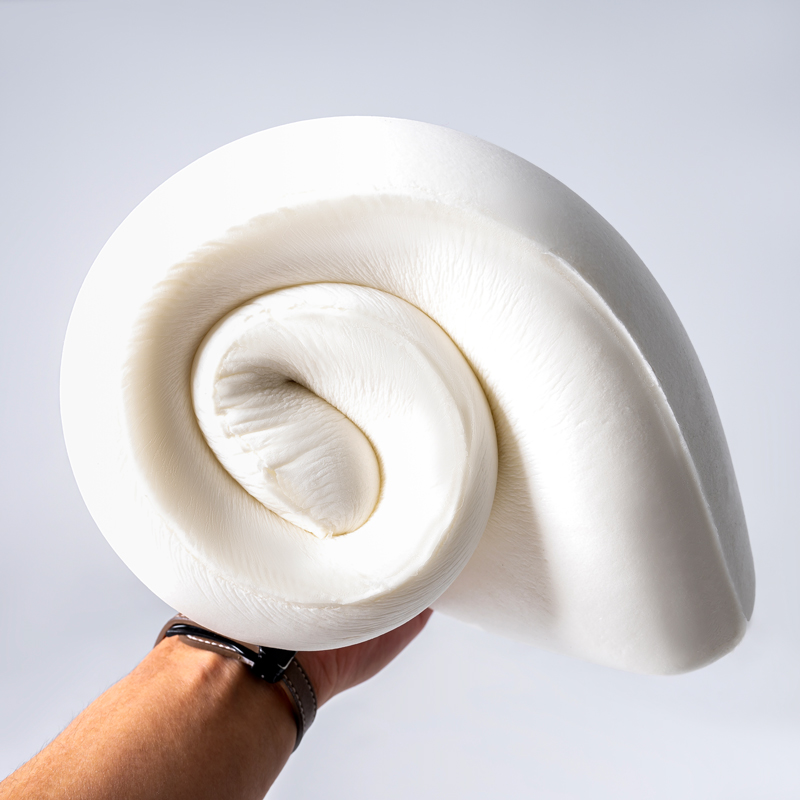
Memory foam is a material engineered to soften in response to heat and pressure, allowing it to form a shape around the head and neck structure. Originally developed by NASA in the 1970s, this viscoelastic foam was designed to improve crash protection for astronauts. Today, it has been adapted into numerous consumer products, particularly bedding, due to its ability to alleviate pressure points.
Before considering longevity, it's crucial to understand the types of memory foam used in pillows. Typically, these include traditional memory foam, gel-infused memory foam, and shredded memory foam. Each type offers unique benefits and drawbacks, impacting its lifespan.
This is the most common type, offering excellent contouring abilities. However, it retains heat, which can be uncomfortable for some users, especially those in warmer climates.
This variant aims to resolve heat retention issues by incorporating cooling gel. While this addition can enhance comfort, it may affect the foam's durability and wear over time.
Made from smaller pieces of foam, this type provides adjustable loft and improved airflow. Its structure allows users to customize the shape and support but may lead to quicker degradation, depending on usage.
Several factors determine the lifespan of a memory foam pillow, extending beyond simple material composition. These include care routines, usage frequency, and environmental conditions.
The longevity of any pillow depends significantly on how well it is maintained. Memory foam pillows are generally easier to care for than traditional feather options, but proper upkeep is still necessary. Regular airing out, using pillow covers, and following manufacturer instructions on cleaning can prevent premature wear and tear. Spot cleaning is the preferred method, as machine washing may compromise the foam's structure.
Like all bedding, the frequency with which you use your pillow affects its lifespan. If a pillow is used daily, it will wear out faster than one that is used occasionally. The average memory foam pillow should last between 18 to 36 months with regular use, but this can vary substantially based on personal habits.
Environmental factors, such as humidity and temperature, can impact memory foam. Exposure to high moisture levels can lead to mildew or mold, while extreme temperatures can alter the foam's density and responsiveness.
Even with the best care, memory foam pillows will eventually need replacing. Recognizing when your pillow has reached the end of its lifespan is vital for maintaining health and sleep quality. Here are some indicators:
If your pillow no longer bounces back or maintains its original shape, it may no longer provide adequate support. This flattened or deformed condition reduces its ability to cushion and support correctly.
Over time, memory foam pillows can absorb oils, sweat, and other organic materials, leading to unpleasant odors that can't be removed by cleaning.
Visible staining from sweat or moisture can indicate the pillow's deterioration, suggesting mold or bacterial growth that might not be visible but could impact health.
If you wake up with neck pain or headaches, this might suggest your memory foam pillow is no longer providing the necessary ergonomic support.
The goal isn't just to extend the lifespan of a pillow but to maintain its functionality and hygiene over time. Consumers can adopt several strategies to achieve this:
Using a removable, washable pillow cover can drastically reduce the wear and tear on your pillow while protecting it from dirt, dust mites, and spills. This is particularly advisable for allergies.
Regularly expose your pillow to fresh air while ensuring it remains away from direct sunlight, which can degrade foam materials over time. Letting pillows breathe helps counteract odor accumulation.
Adhering to cleaning schedules can preserve the pillow's integrity. While washing the pillow itself is not recommended, the covers and surrounding bedding should be cleaned regularly.
Rotating or flipping pillows periodically can distribute wear more evenly and delay compression.
While durability is a significant factor, cost, comfort, and environmental impact are equally essential considerations.
Investing in a quality memory foam pillow might be initially costlier than opting for a cheaper alternative, but the long-term benefits are substantial. High-quality products tend to last longer, potentially reducing replacement frequency.
Memory foam is a petrochemical product, so its disposal has environmental implications. Opting for sustainable brands or those offering recyclable options can mitigate environmental damage.
A fresh memory foam pillow contributes to better sleep health by providing reliable support and pressure relief. This can enhance sleep quality and reduce issues like snoring, neck pain, or headaches.
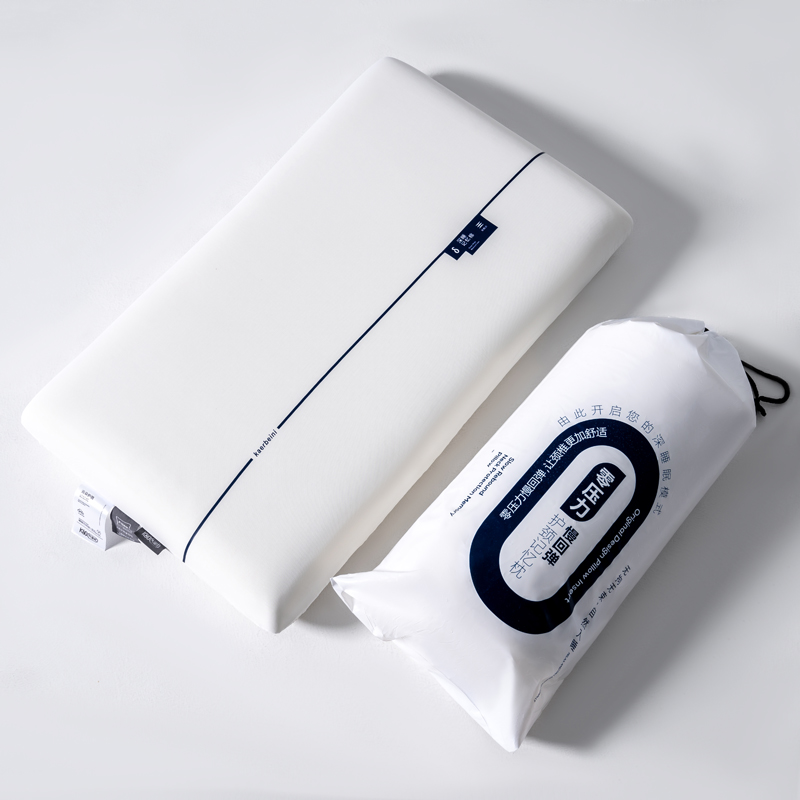
In answer to how long a memory foam pillow should last, the specifics depend on several variables, ranging from material choices to care practices. Generally, between 18 and 36 months is the expected lifespan. Recognizing signs of wear early and adopting good maintenance habits can prolong a pillow's usefulness, enhancing both sleep quality and overall well-being.
By considering both longevity and broader implications like comfort and environmental impact, you can make an informed choice when purchasing a memory foam pillow. Balancing these dimensions ensures a restful sleep while maintaining both personal and global responsibility.