Updatetime:2026-04-12 19:06:10 View:
If you’re considering buying a memory foam pillow or you already own one, it’s natural to wonder how long it will last. Memory foam pillows are known for their comfort and support, making them a popular choice for many. However, like all products, they have a lifespan. In this article, we’ll explore how long memory foam pillows last, what factors affect their durability, and how you can extend their lifespan. By the end of this guide, you’ll have all the insights needed to make the most of your investment and enjoy uninterrupted comfort.
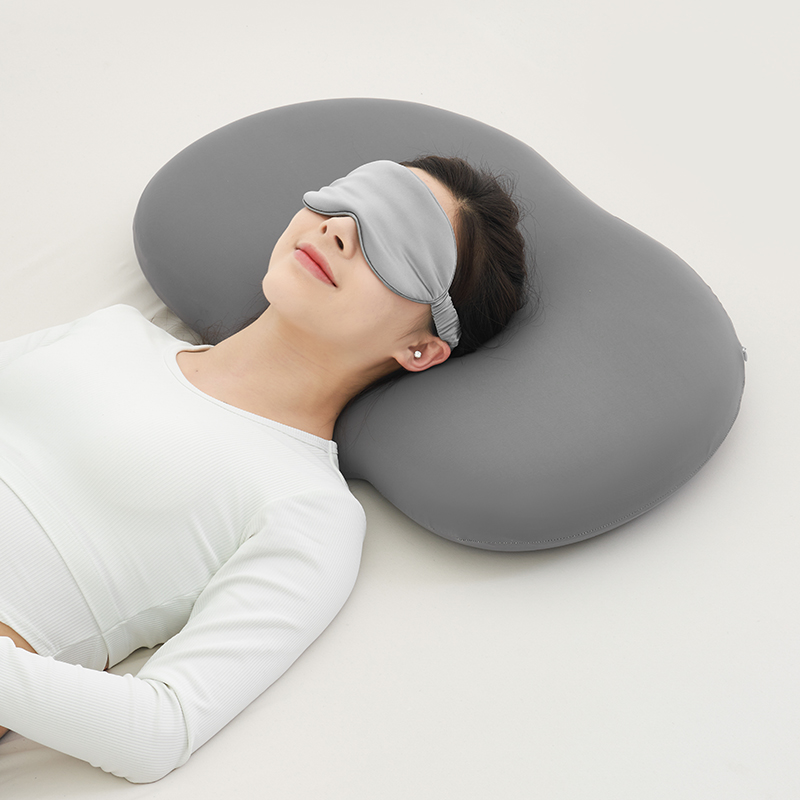
Before diving into the longevity of a memory foam pillow, it’s important to understand what it is. Memory foam originated as a NASA innovation meant to improve seat cushioning. It is made from viscoelastic material, which responds to pressure and heat, molding to the shape of anything that presses against it. In pillows, this quality allows for high levels of comfort and support, as memory foam adjusts to your head, neck, and shoulders for proper alignment.
Memory foam pillows have numerous advantages, including:
While the benefits are numerous, ensuring these advantages last over time requires understanding the pillow’s lifespan and maintenance requirements.
On average, a good-quality memory foam pillow lasts between 1.5 to 3 years. The exact lifespan depends on several factors, such as usage, quality, maintenance, and environmental conditions. While memory foam pillows are generally considered longer-lasting than regular polyester or traditional foam pillows, they still degrade over time, losing their ability to offer proper support.
Signs that your memory foam pillow needs to be replaced include:
Replacing your memory foam pillow when it begins to show these signs is crucial for your sleep quality and overall health.
Several factors contribute to how long a memory foam pillow lasts. Understanding these can help you ensure your pillow stays in good condition for as long as possible.
The quality of the memory foam is one of the most critical factors influencing the lifespan of a pillow. High-density memory foam typically lasts longer than low-density foam because it has more material packed into it per square inch, making it more resistant to wear and tear. When shopping for a memory foam pillow, check its density rating—higher density often indicates greater durability.
If you’re sleeping on your memory foam pillow every night, it will wear out faster than one used less frequently or strictly for travel. Daily use induces constant pressure and heat, accelerating the inevitable breakdown of the foam over time.
Proper care significantly impacts the durability of memory foam pillows. If you fail to clean your pillow regularly or handle it roughly, its lifespan can be shortened. Accumulations of sweat, oil, dirt, and bacteria can degrade the foam or create unpleasant odors that are difficult to remove.
Memory foam pillows are sensitive to environmental conditions. Excessive humidity, exposure to direct sunlight, or fluctuating temperatures can compromise their integrity. Maintaining optimal conditions in your bedroom can help you preserve the quality of your pillow.
Rough handling, such as folding, kneeling, or crushing your pillow, can cause tears or deformities in the foam, shortening its lifespan. Memory foam is not designed to endure forces that exceed its tolerance for pressure and compression.
While memory foam pillows aren’t meant to last forever, you can take specific steps to maximize their durability and protect your investment. Here’s how:
Investing in a high-quality pillow protector can shield your memory foam pillow from dust, allergens, sweat, and spills. This layer acts as a barrier and reduces the chance of the memory foam getting compromised by dirt and moisture. Make sure to choose a breathable protector that doesn’t trap excessive heat.
Memory foam isn’t machine washable, but regular cleaning is essential. Spot clean your pillow using mild soap and warm water to remove stains. Allow the pillow to air dry completely before using it again. Furthermore, vacuuming the surface periodically can help remove dust and allergens.
Expose your memory foam pillow to indirect light and ensure it stays in a cool, dry environment. Intense sunlight or excessive heat can break down the foam’s structure and reduce its effectiveness.
To minimize wear and tear, rotate or flip your memory foam pillow periodically (if it allows rotation). This action prevents uneven compression and ensures the foam wears out uniformly.
While memory foam pillows need replacement within a few years, rotating and refreshing pillowcases can help protect them. Wash your pillowcases weekly to remove dirt, oils, and moisture that could seep into the foam pillow.
Avoid squishing, folding, or putting undue pressure on your pillow. Treat it gently to preserve its shape.
If you’re not using your pillow, store it in a cool, dry place in a breathable bag to protect it from mold, dust, and pests.
If you feel that memory foam pillows don’t meet your expectations for durability or maintenance, there are other options worth exploring:
Each type of pillow has its advantages, so considering your specific needs can help you choose the right option.
The general advice is to replace memory foam pillows every 18–36 months, but that timeline may vary depending on the factors discussed above. If you notice your pillow failing to hold its shape, causing discomfort during sleep, or emitting odors despite cleaning, it’s time for a replacement.
Investing in a new memory foam pillow ensures a healthy sleeping environment and prevents neck and back issues caused by improper support. It’s worth prioritizing your sleep quality over holding onto a worn-out pillow.
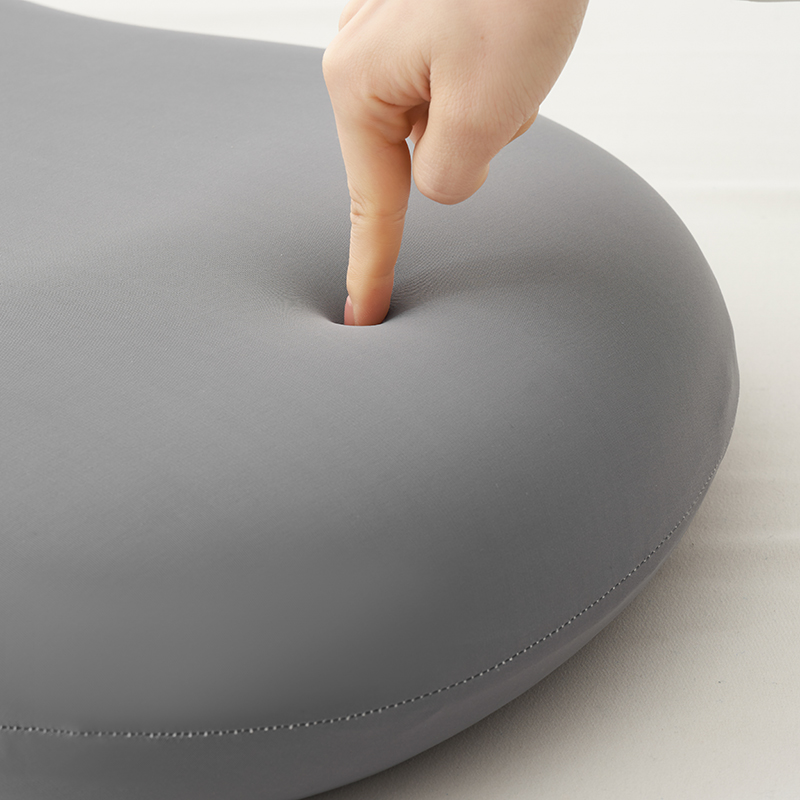
Memory foam pillows offer outstanding comfort, but they don’t last forever. Knowing their typical lifespan, usage factors, and maintenance tips can help you enjoy their benefits for as long as possible. Regular cleaning, gentle handling, and protective measures can make your memory foam pillow last several years. However, when it starts showing signs of wear and compromises your sleep quality, replacing it is the best course of action.
Ultimately, investing in a high-quality pillow and caring for it diligently will ensure restful nights for years to come. Whether you choose memory foam or an alternative option, prioritizing your sleep health is a decision that pays dividends every single night.