Updatetime:2026-04-14 19:11:46 View:
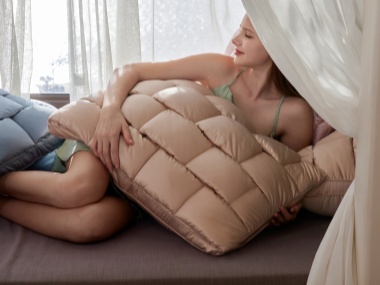
Decorative pillows are an essential component in interior design, providing both functionality and aesthetic appeal. Though small in size, these accessories can transform a mundane sitting area into a vibrant and inviting space. This article delves into the multifaceted considerations involved in selecting the right number and type of decorative pillows for your sofa. From design theory to practical tips, readers will find actionable insights to elevate their living space.
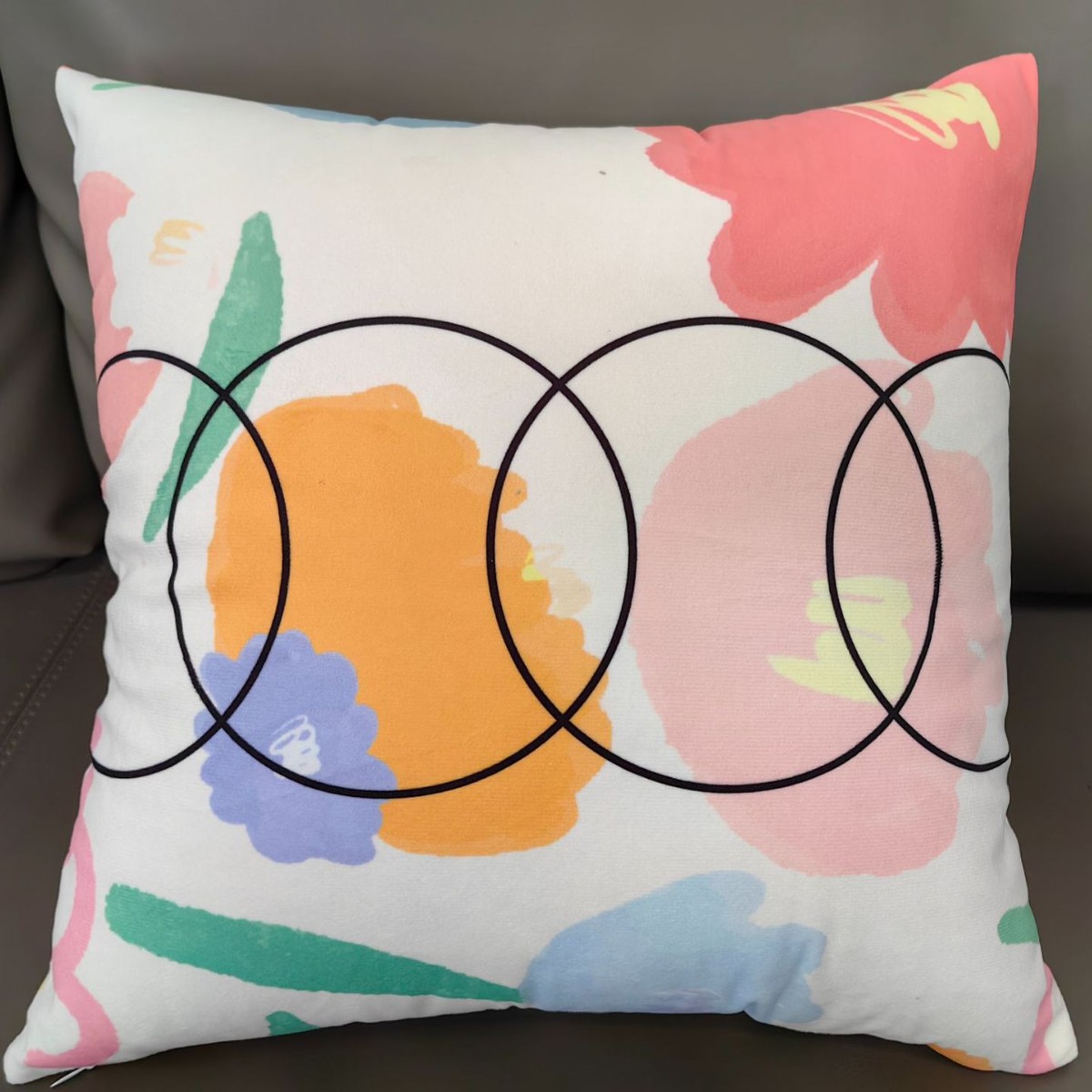
Decorative pillows serve a dual purpose: they add a layer of comfort, delivering support where needed, and act as an aesthetic element that contributes to the overall theme and mood of a room. Their presence can soften furniture pieces that are otherwise rigid and formal, ushering in a feeling of warmth and welcome.
Pillows are not just aesthetic choices; they play a crucial role in enhancing seating comfort. They can adjust the seating depth and support your back, neck, and head, especially in sofas with fixed cushioning. Depending on the material and filling, decorative pillows offer varying levels of softness and can accommodate different seating preferences.
On the visual front, pillows can act as statements or blend seamlessly with a room's décor. From solid colors to intricate patterns, the pillows you choose can either anchor a design or introduce exciting accents. They can coordinate with other textiles in the room, thus, providing a cohesive look.
The number of decorative pillows you introduce to a sofa is not arbitrary; it intertwines with factors such as room style, sofa size, desired effect, and personal taste. While no stringent rules apply, understanding the foundational principles can guide effective decision-making.
The first consideration is the size of your sofa. Larger seating surfaces can accommodate more pillows, whereas smaller sofas benefit from fewer pillows to prevent overcrowding. As a guideline, standard sofas, measuring six to eight feet, often comfortably house three to five pillows. Compact sofas might best support two to three pillows, while sectionals can go upwards to seven or more based on seating configuration.
Traditional designs might lean towards symmetrical arrangements, generally preferring an even number of pillows. In contrast, contemporary styles embrace asymmetry, favoring an odd number for artistic appeal. Knowing the broad design tenets can help avoid clashing styles and foster cohesion.
Your style and practical requirements also weigh heavily. The number of pillows on a sofa could reflect your personality, welcoming simplicity with minimal setups or showcasing splendor with an abundance of textures and colors. Don’t be afraid to break conventions if the arrangement resonates authentically with you.
Your focus should extend to choosing the appropriate types and sizes of pillows, given each possesses unique attributes that can significantly sway the ambiance of your living space.
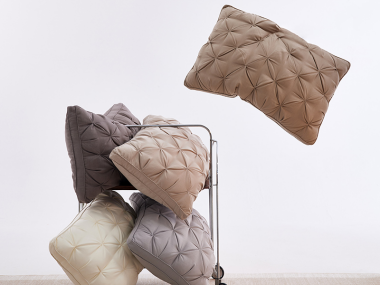
Standard square pillows, typically 18-24 inches, are versatile across most arrangements. Larger pillows offer support and visual depth, while smaller iterations provide charming accents or functional versatility like lumbar support. Experiment with different shapes, such as rectangles or circles, to introduce unforeseen dimensions.
The fabric choice influences both comfort and style. Materials can range from soft, plush velvets to sturdy cotton and linens, each offering distinct undercurrents in texture and feel. Consider the allergies of potential users and the durability required for everyday use.
Colors can accentuate or soften, serving as connectors to other elements like curtains, rugs, or artwork. Employ a color palette that complements existing features or boldly contrast them. Patterns can introduce dynamism but require careful balance to keep the display unbusy.
This section translates theory into practice, offering practical techniques to deploy pillows effectively on your sofa.
For a conventionally appealing look, apply the “rule of three” which suggests using three pillows, balancing between texture, pattern, and color. This structure often captures an ideal mix of intrigue without overwhelming the couch.
Layering is an art whereby pillows are arranged based on height and size from the back towards the front. Larger pillows at the back often anchor the setup, with smaller and varied shapes leading forward. Such layers add depth and invite visual interest.
A dynamic pillow arrangement can undergo seasonal rotation, with lighter materials and colors in warmer months and thicker, darker options in colder times. This adaptability enables updates without entire decor overhauls.
Pillows should harmonize with nearby furniture and decor to align the space holistically. Consider the synergy between pillows, side chairs, coffee tables, and neighboring décor pieces to ensure coherence.

Decorative pillows on a sofa surpass mere decoration—they are expressions. By engaging in thoughtful selection, sized right and with deliberate arrangement, these simple accessories become transformative design tools capable of evolving spaces into portraits of comfort and style.
Every choice, from the number of pillows to their textiles and designs, must resonate with personal taste while enhancing the room's broader aesthetics. Let your pillows be more than additional items; let them be reflections of warmth, complexity, and welcoming invitation.
Remember, this arena has few rules but endless possibilities. Dive into the selection process with creativity and passion and allow your sofa’s pillows to speak to the people and atmosphere you cherish most.