Updatetime:2026-02-11 20:53:47 View:
The pursuit of a comfortable night’s sleep is universal, with millions seeking ways to enhance rest and alleviate morning discomfort. Enter the ergonomic pillow—a specialized design tailored to improve sleep quality and provide optimal support. But the pressing question remains: do ergonomic pillows work? This article delves into the science and usability behind these pillows to offer practical insights for potential users.
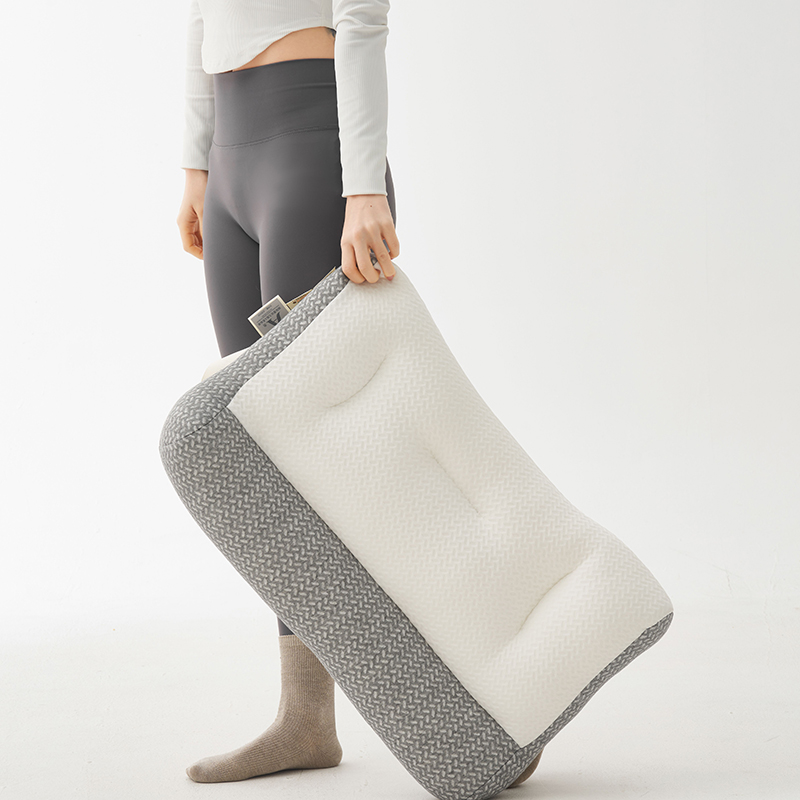
Ergonomic pillows are designed to support the natural curves of the head, neck, and shoulders, promoting spinal alignment during sleep. Unlike traditional pillows, which often miss the mark in conforming to individual shapes, ergonomic pillows utilize materials and designs aimed at reducing pressure points and improving sleep posture. The materials range from memory foam to latex, each possessing unique properties that cater to specific needs. Understanding their construction is crucial to determining their efficacy.
Ergonomic pillows are backed by ergonomic principles which focus on optimizing user efficiency and minimizing discomfort. When applied to pillow design, these principles aim to maintain the natural alignment of the spine. Proper alignment reduces strain on muscles and can aid in promoting a restful sleep. The support these pillows offer works in tangent with sleep physiology, which is fundamentally linked to the body resting in positions that encourage healthful sleep cycles.
There are several designs within the ergonomic pillow category, each targeting specific sleep issues:
The anticipated benefit of ergonomic pillows is enhanced sleep quality through improved support. However, these pillows offer additional advantages:
Proper alignment of the head and neck during sleep can significantly reduce the risk of developing neck and back pain, which is often attributed to inadequate support. By maintaining the correct posture, ergonomic pillows mitigate stress on the cervical spine.
Many individuals report deeper and more restful sleep when using pillows that conform to their unique pressure points and provide consistent support throughout the night. The reduction in tossing and turning, attributed to discomfort, leads to uninterrupted sleep cycles.
A properly aligned neck can improve airway passage, reducing snoring and enhancing breathing quality during sleep. This can be particularly beneficial for individuals with mild sleep apnea.
While anecdotal evidence supports their use, empirical studies have confirmed the benefits for particular conditions. According to various reports, users have observed notable reductions in neck pain and improved overall sleep satisfaction after a few weeks of consistent use. However, it is important to approach ergonomic pillows with a detailed understanding of one’s own sleep challenges to select the right type.
The effectiveness of an ergonomic pillow can depend significantly on individual factors:
To maximize the benefits of an ergonomic pillow, consider these actionable tips:
Consult a healthcare or sleep professional if you suffer from persistent neck or back pain. They might offer additional insights into what type of ergonomic pillow would best suit your needs based on your particular cervical requirements. Additionally, test different pillows to evaluate comfort and support. Most reputable sellers offer trial periods, allowing you to assess sleep improvements before full commitment.
Maintain your pillow by following the manufacturer’s care instructions, which may include airing out memory foam or regularly replacing covers. Proper maintenance ensures longevity and hygiene, contributing to sustained sleep quality.
Remember that ergonomic pillows are one aspect of healthy sleep hygiene; integrate them with other practices such as maintaining a regular sleep schedule, optimizing bedroom setup for conducive sleep, and limiting pre-bed screen time.
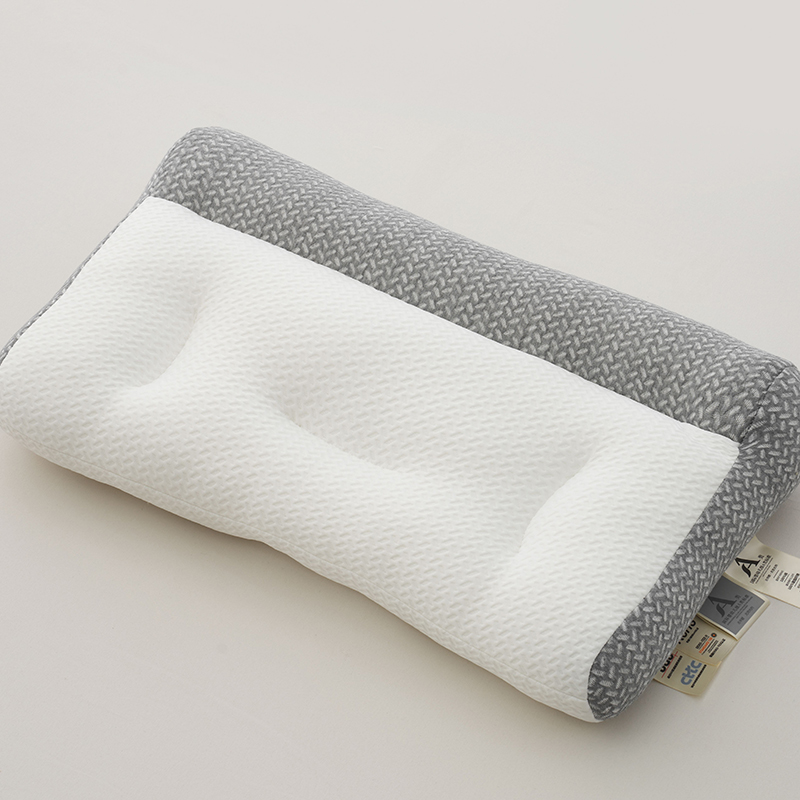
While ergonomic pillows offer an innovative solution to sleep discomfort, their effectiveness varies based on factors like personal preference, sleeping position, and specific pain conditions. When chosen wisely, they can substantially contribute to improved sleep quality and overall wellbeing. As in all lifestyle adjustments, considering ergonomic pillows should be part of a broader approach to enhancing sleep, mindful of each user’s unique needs and preferences.