Updatetime:2026-02-10 20:51:44 View:
Snoring is a pervasive issue affecting countless individuals worldwide, often leading to disrupted sleep patterns, relationship tensions, and potential long-term health implications. While there are myriad remedies on the market promising to alleviate this nocturnal nuisance, ergonomic pillows have emerged as a popular and non-invasive solution. But do these specially designed pillows genuinely help with snoring? This article delves into the science, effectiveness, and practical applications of ergonomic pillows in addressing snoring, offering valuable insights and actionable advice for those seeking respite from this common issue.
Before exploring solutions, it is essential to understand what causes snoring. Snoring occurs when airflow through the mouth and nose is partially obstructed during sleep, causing the surrounding tissues to vibrate. This obstruction can stem from various factors, including nasal congestion, alcohol consumption, sleep position, obesity, and anatomical variations, such as the shape of the throat or airway issues. Recognizing the underlying cause of snoring is vital to effectively addressing the problem.
Traditional recommendations for reducing snoring often include lifestyle modifications such as losing weight, avoiding alcohol before bed, sleeping on one's side, and using tools like nasal strips or antihistamines for congestion. While some of these approaches can be successful, they may not work for everyone, pushing individuals to explore other, perhaps less conventional, solutions like ergonomic pillows.
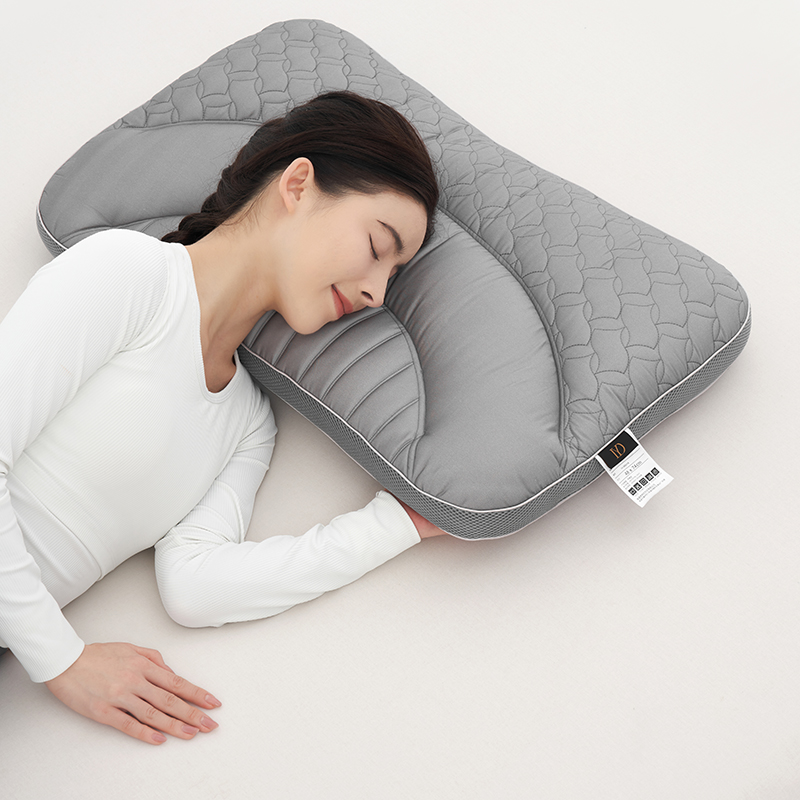
Ergonomic pillows are designed to provide optimal support and alignment for the head, neck, and spine. Unlike standard pillows, which may be filled with feathers or polyester, ergonomic pillows often feature memory foam or latex that adapts to the shape of the individual's body. These pillows aim to maintain an optimal sleeping posture, which could potentially alleviate factors known to contribute to snoring.
The ergonomic pillow market is diverse, offering various types tailored towards specific sleeping preferences:
The potential benefits of ergonomic pillows for reducing snoring are primarily linked to their ability to promote proper alignment and open airways. Here's how they work:
Ergonomic pillows help maintain a neutral alignment of the spine and neck, preventing unnatural bending and ensuring that air passages remain open. This proper alignment is crucial, especially for back sleepers, whose tongues can slide backward due to gravity, leading to airway obstruction and snoring.
By slightly elevating the head, some ergonomic pillows, such as wedge pillows, can reduce the gravitational pull on the throat tissues, which otherwise contributes to their collapse and vibration, a primary cause of snoring. Elevating the head can also ease nasal congestion by promoting sinus drainage and improving airflow.
Comfort is a fundamental component of quality sleep. Ergonomic pillows made from materials such as memory foam provide personalized comfort and support, facilitating deeper, more restful sleep, which might indirectly reduce snoring by preventing restlessness and extended periods of poor sleep quality.
While anecdotal evidence abounds regarding the benefits of ergonomic pillows for snoring, scientific studies specifically examining their effectiveness remain limited. However, existing research related to sleep posture and its effect on snoring substantiates some of the principles behind ergonomic pillows.
A 2015 study published in the American Journal of Respiratory and Critical Care Medicine suggested that positional therapy, which includes elevating the head, could significantly influence snoring severity among certain individuals. Additionally, a Japanese study published in Respirology in 2013 found that mandibular advancement using devices that maintain open airways can effectively reduce snoring. While these studies do not specifically assess pillows, they do suggest that maintaining an open airway through positioning can be beneficial.
The effectiveness of ergonomic pillows in managing snoring can vary significantly depending on individual preferences and needs. Here are some tips on choosing the right pillow:
Your typical sleep position plays a critical role in selecting the appropriate ergonomic pillow. Side sleepers may benefit from thicker pillows providing adequate neck support, while back sleepers might prefer a medium-firm pillow to maintain head elevation without straining the neck.
Memory foam and latex are popular choices due to their contouring ability and support. However, individuals with allergies should consider hypoallergenic materials. The firmness of the pillow is subjective; some people might find firmer pillows more supportive, while others might prefer softer options for comfort.
Whenever possible, test a pillow before buying to ensure it meets your comfort and support needs. Consider factors such as return policies or trial periods offered by retailers, allowing you to assess the pillow's effectiveness in your home setting.
Even with the right ergonomic pillow, there are additional strategies to optimize results:
Maintain Good Sleep Hygiene: Establish a regular sleep schedule and create an environment that supports restful sleep.
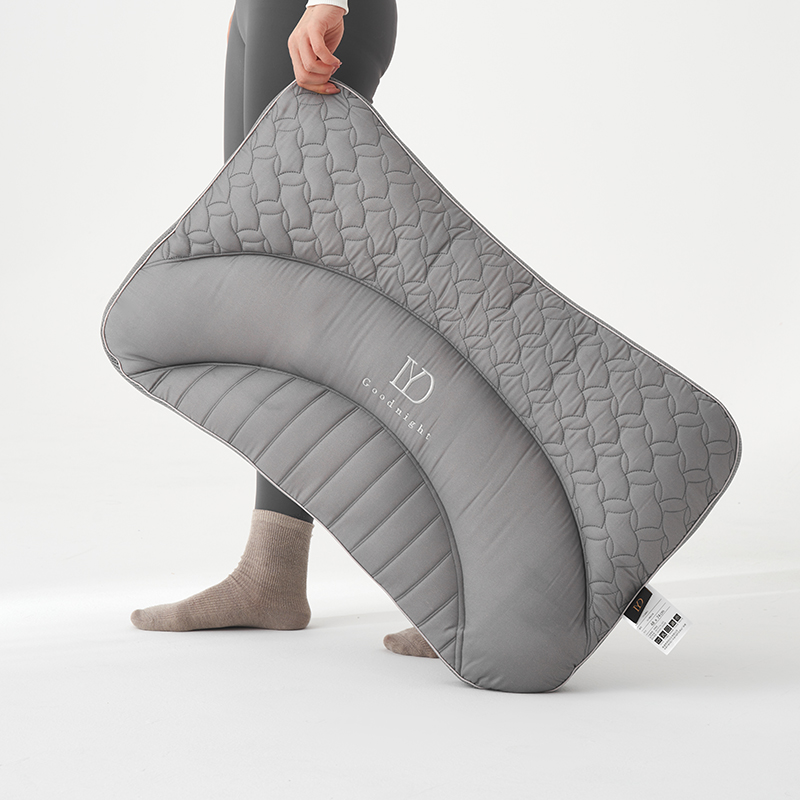
While ergonomic pillows offer a promising solution for reducing snoring, they are not a one-size-fits-all answer. They can be highly effective for individuals whose snoring is influenced by poor sleep posture, congestion, or mild airway obstruction. That said, snoring resulting from more complex medical conditions may require additional interventions, such as medical devices or surgery. Ultimately, those considering ergonomic pillows should understand their specific snoring causes and preferences while remaining open to combining solutions for optimal outcomes. For many, ergonomic pillows represent a practical, simple step towards quieter, more restorative nights.