Updatetime:2025-10-03 11:32:40 View:
Sleep is a cornerstone of human well-being, and the quality of your sleep is deeply influenced by your sleeping environment — including your pillow. Latex pillows have gained significant attention in recent years due to their unique features and promises of enhanced comfort. But are latex pillows truly good, or are they just another passing trend? In this comprehensive guide, we’ll explore the dimensions of latex pillows, highlighting their benefits, drawbacks, suitability for different users, and tips for choosing and maintaining them.
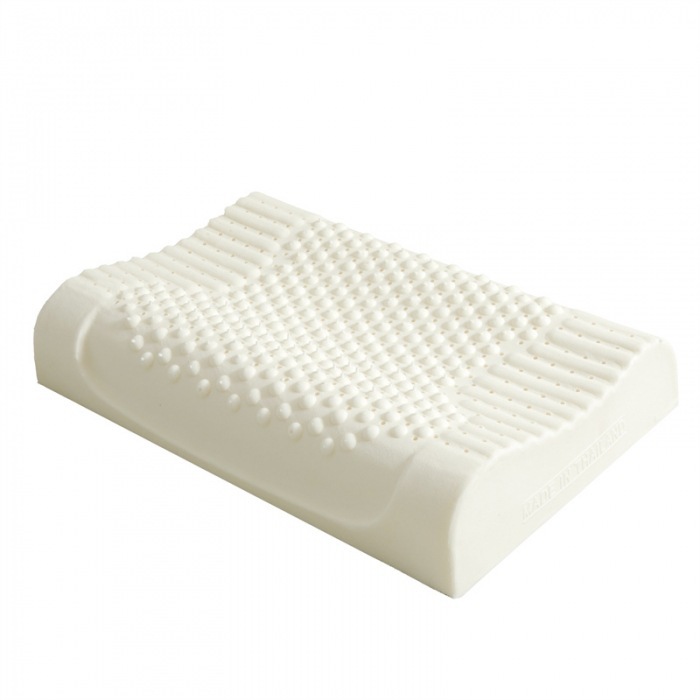
Latex pillows are crafted from latex, a material derived either naturally from the sap of rubber trees or synthetically from petrochemicals. These pillows are celebrated for their durability, elasticity, and comfort. Latex can come in two forms: Dunlop and Talalay. Dunlop latex is denser and firmer, while Talalay latex undergoes a more complex manufacturing process that results in a softer and more breathable material.
One of the standout aspects of latex pillows is their ability to strike a balance between softness and support. Whether you’re a side sleeper, back sleeper, or stomach sleeper, latex pillows adapt to your sleeping position, minimizing pressure points and helping to prevent discomfort or pain.
Longevity is a major selling point for latex pillows. While traditional pillows can flatten or lose their supportive properties over time, latex pillows maintain their shape and elasticity for years, offering consistent comfort and value for your investment.
Latex pillows are often considered a healthier choice due to their resistance to allergens such as mold, bacteria, and dust mites. This makes them an ideal option for allergy sufferers or people seeking hygienic sleep environments.
Natural latex pillows are eco-friendly, as they are often made from sustainably harvested rubber tree sap and manufactured without environmentally harmful chemicals. If you are an environmentally conscious consumer, natural latex can be a great choice.
Heat retention can be a major problem with certain types of pillows, leading to restless nights. Latex pillows excel in temperature regulation thanks to their breathable material, ensuring you remain cool and comfortable as you sleep.
While latex pillows provide excellent support, some users may find them too firm compared to memory foam or down pillows. Individuals looking for an ultra-soft pillow might need time to adjust to the feel of latex.
The upfront cost of latex pillows can be higher than traditional pillow options. However, considering their durability and long-term value, many users find the investment worthwhile.
Latex pillows are denser and heavier than other pillow types, making them slightly less portable. While this may only pose a minor inconvenience, it’s worth considering if you frequently travel with your pillow.
Some latex pillows, especially new ones, may have a noticeable rubber-like odor. Although this scent often fades over time, it may bother users during the initial weeks.
Latex pillows are beneficial for a broad audience, but they are particularly well-suited for specific individuals:
Understand the difference between natural and synthetic latex. Natural latex is eco-friendly and non-toxic, whereas synthetic latex may be less expensive but contains chemicals that could bother sensitive users.
Consider your sleeping position and personal preference to determine the optimal firmness. Side sleepers often need firmer pillows for neck alignment, whereas back and stomach sleepers may prefer softer options.
Latex pillows come in various sizes, including standard, queen, and king. Choose a size that best complements the dimensions of your bed and suits your sleeping behavior.
The outer cover of your latex pillow adds another layer of comfort and protection. Look for covers made from organic cotton, bamboo fabric, or other breathable and skin-friendly materials.
Keep your budget in mind when selecting a latex pillow. While spending a little more on a high-quality pillow may benefit you in the long run, there are reliable mid-range options available as well.
Proper care extends the lifespan of your latex pillow and ensures optimal hygiene:
A pillowcase shields the latex pillow from dirt, sweat, and oils, reducing the need for frequent cleaning. Opt for a breathable pillowcase to complement the pillow’s temperature-regulating properties.
If your pillow gets stained, spot-clean it gently with a damp cloth and mild detergent. Avoid soaking the pillow completely as excessive moisture can damage the latex.
Letting your latex pillow air out periodically helps maintain its freshness and eradicates any lingering odors.
Latex is sensitive to UV rays, so avoid drying or storing your pillow in direct sunlight.
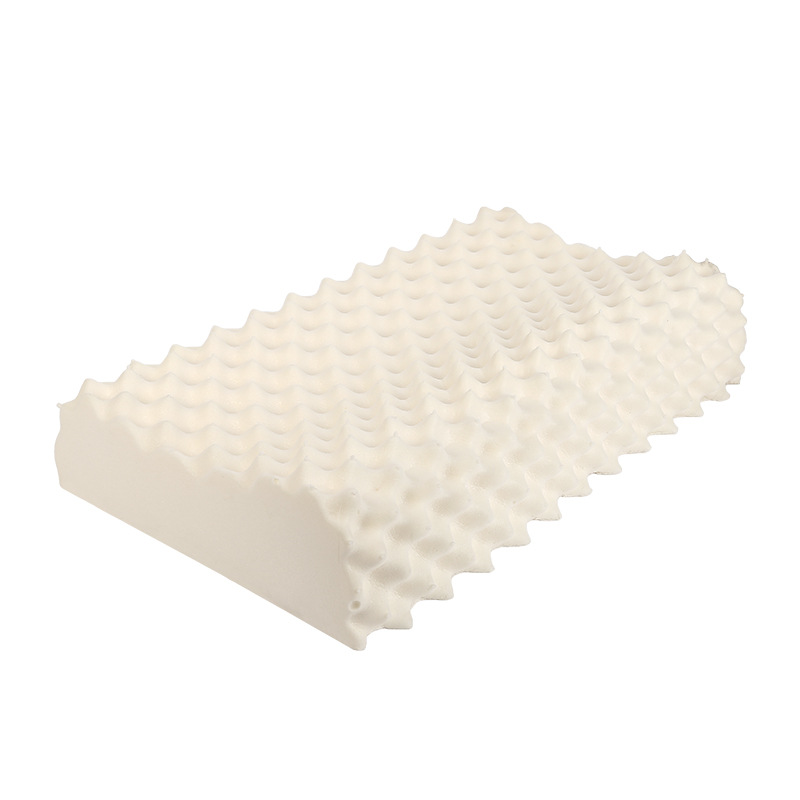
Are latex pillows good? The answer largely depends on your sleep needs and preferences. If you prioritize comfort, durability, hygiene, and environmental sustainability, latex pillows can be an exceptional choice. While they may come with a few drawbacks, such as firmness and cost, their long-term benefits often outweigh these initial concerns.
Investing in the right pillow is key to achieving quality sleep and overall wellness. By understanding the pros and cons of latex pillows and how to choose and maintain them, you can make an informed decision that aligns with your specific needs.
Whether you're seeking relief from allergies, searching for better support, or simply aiming to enhance your sleep environment, latex pillows are worth considering. A healthier, more restful sleep may only be a pillow away.