Updatetime:2025-10-02 11:29:01 View:
Head shaping pillows for babies have gained significant popularity in recent years, especially among parents concerned about conditions like flat head syndrome (plagiocephaly). However, this widespread adoption has also raised questions about their safety, benefits, and potential risks. As a parent or caregiver, it is essential to critically assess the effectiveness and safety of these pillows before introducing them into your routine. In this article, we will dive deep into the topic, providing multi-dimensional insights and actionable advice to help you make an informed decision.
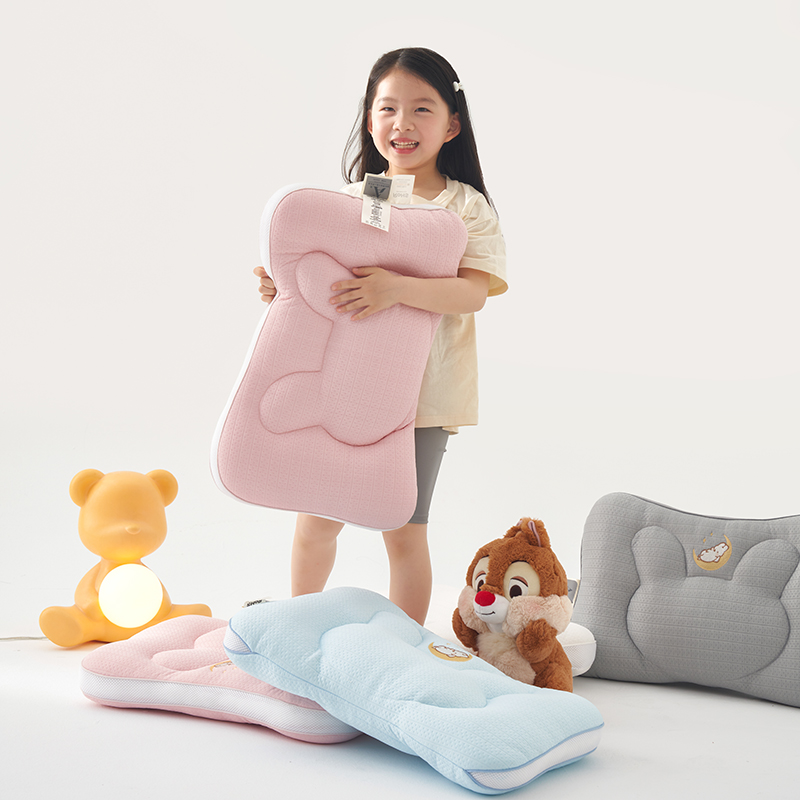
Head shaping pillows are specially designed pillows that claim to help maintain the natural shape of a baby’s head or prevent flattening during the child’s early months. These pillows often feature a concave or contoured design to cradle the baby’s head in a particular position. They are typically marketed for infants who spend most of their time lying on their backs, which is encouraged under safe sleep guidelines.
Manufacturers of head shaping pillows often assert that their products help redistribute pressure evenly across the back of the baby’s head, protecting against the flattening that might otherwise occur. While these claims sound promising, it’s essential to examine both the science behind these products and the risks associated with them.
Flat head syndrome, or plagiocephaly, is a common condition among infants, especially those who sleep regularly on their backs. This condition can cause a baby's head to appear uneven or flattened. Pediatricians and medical experts widely recommend back sleeping because it reduces the risk of sudden infant death syndrome (SIDS), but prolonged pressure on the same area of the skull can contribute to plagiocephaly.
Parents may turn to head shaping pillows as a preventative measure or solution to flat head syndrome. However, it is crucial to understand whether these pillows address the root cause of plagiocephaly and to assess their overall safety.
The safety of head shaping pillows for babies is a topic of considerable debate among medical professionals and parenting communities. While these pillows are widely available for purchase, many medical organizations, including pediatric associations, remain cautious and even advise against their use. Below are key considerations when evaluating the safety of such products:
One of the most critical concerns associated with head shaping pillows is the risk of suffocation. Babies have limited motor control and may be unable to adjust their position if their airway becomes blocked while lying on the pillow. Additionally, the soft materials and concave designs of these pillows can create hazards during sleep, which compromises safe sleep guidelines.
Safe sleep practices, as recommended by medical experts, involve placing babies on a firm mattress with no extra pillows, blankets, or soft objects. Head shaping pillows introduce an external object into the sleeping environment, potentially increasing the risk of sudden infant death syndrome (SIDS). For this reason, many health authorities discourage their use.
Head shaping pillows may not address the root cause of flat head syndrome. Plagiocephaly can sometimes be due to factors such as muscle tightness or torticollis (tightening of neck muscles), which a pillow cannot fix. In these cases, physical therapy or repositioning techniques may be recommended by a pediatrician rather than relying on pillows.
Many pediatric health organizations strongly advise against the use of head shaping pillows in infants under 12 months old due to safety concerns. Instead, they advocate for interventions that are proven to be safe and effective, such as supervised tummy time, changing the baby's sleeping position frequently (while maintaining safe sleep practices), and consulting a healthcare provider if plagiocephaly is suspected.
The positioning and design focus of head shaping pillows often conflict with guidelines for safe sleep, which prioritize risk reduction over cosmetic benefits. Thus, expert consensus generally leans toward avoiding such products without concrete evidence of safety and efficacy.
If you’re concerned about your baby’s head shape, there are safer alternatives to head shaping pillows. These methods address the underlying causes of flat head syndrome or promote good head shape development safely:
Supervised tummy time is one of the best ways to prevent and manage flat head syndrome. It allows your baby to spend time on their stomach under close supervision, which helps develop neck strength and relieves pressure from the back of their head. Start with short periods a few times a day and gradually increase duration as your baby becomes accustomed to it.
Repositioning techniques can also help redistribute pressure on the baby's head. Alternating the direction your child faces during sleep placement, feeding, and play ensures that no single area of their head receives excess pressure over time.
If you notice signs of flat head syndrome, consult a pediatrician before attempting corrective measures independently. A medical professional can assess the severity of the condition and recommend safe interventions such as physical therapy or monitored head positioning techniques.
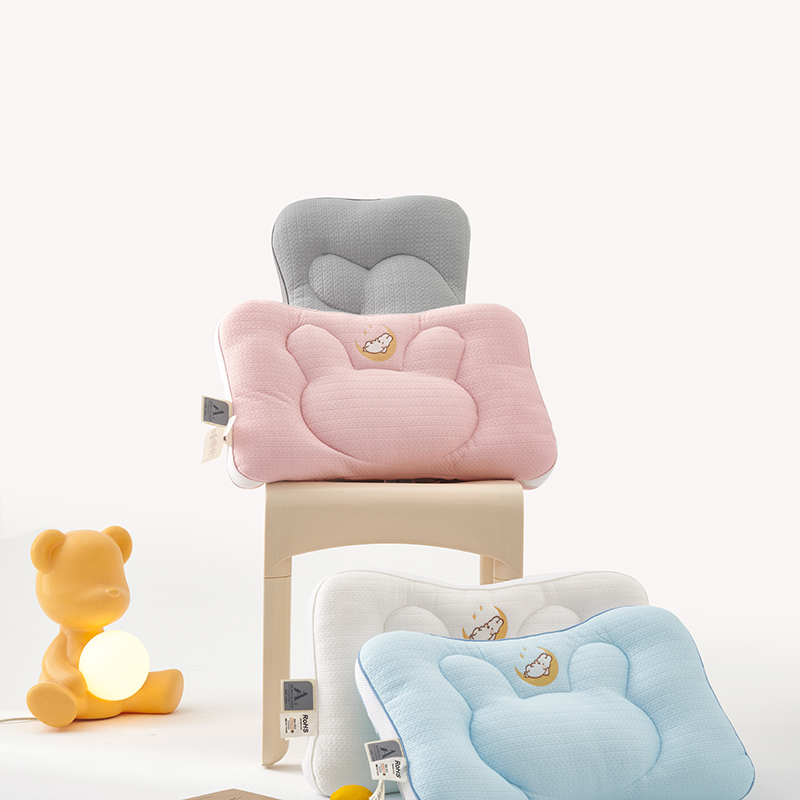
If you choose to purchase a head shaping pillow despite safety concerns, there are critical factors to evaluate to reduce risk:
Head shaping pillows are not recommended for newborns under 12 months due to heightened suffocation risks. If you’re considering one, ensure it aligns with your baby’s developmental stage and sleeping patterns.
The pillow's materials should be high-quality, breathable, and free from harmful chemicals. Opt for pillows with certifications for safety standards if you decide to proceed with their use.
Never allow your baby to use a head shaping pillow unsupervised, especially during sleep. Observe your baby closely when introducing such products to identify early signs of discomfort or adverse effects.
While head shaping pillows may seem like a practical solution to flat head syndrome, their potential risks often outweigh their perceived benefits. The lack of safety guarantees and endorsement from leading medical organizations makes them a less favorable option compared to alternative methods like tummy time and repositioning techniques.
Ultimately, your baby's safety and health should be the top priority, and decisions regarding sleep and developmental aids should be made cautiously. If you are unsure or face challenges regarding your baby’s head shape, consult with a healthcare professional to explore safe, evidence-based solutions. Remember: every baby’s needs are unique, and a tailored approach is always best.