Updatetime:2025-09-30 10:45:58 View:
In the quest for quality sleep, the pillow you choose can be a pivotal factor. Feather pillows, esteemed for their comfort and luxury, often emerge as a popular choice. However, are feather pillows genuinely the best option? This article aims to delve into various dimensions of feather pillows, exploring the benefits, potential drawbacks, and considerations involved in choosing them. Whether you're contemplating an upgrade or simply curious, this comprehensive guide will provide practical insights and actionable advice.
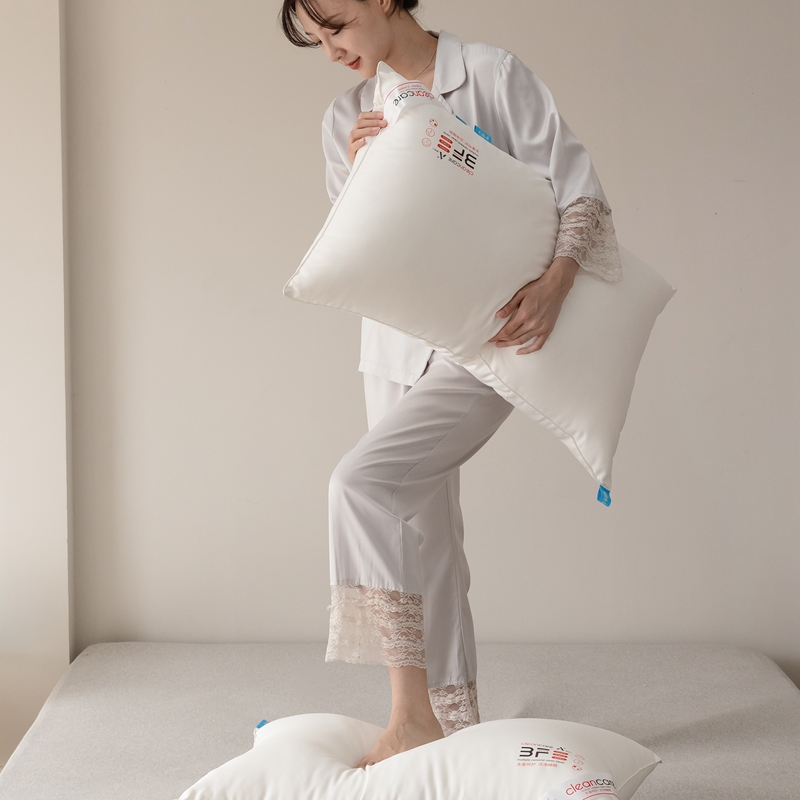
Feather pillows are traditional bed accessories filled with the soft feathers of ducks or geese. Renowned for their plush feel, they have been favored for centuries. The feathers used in these pillows typically come from the outer covering of birds, making them different from down pillows, which utilize the softer feathers found beneath. The structure of feather pillows provides a distinct luxury experience, making them desirable for many users.
Feather pillows are praised for several advantages that make them appealing to a wide array of sleep enthusiasts.
The primary allure of feather pillows lies in their comfort. Known for their soft, malleable texture, feather pillows conform to the shape of your neck and head, providing customized support. This adaptability helps in alleviating pressure points and can be particularly beneficial for individuals suffering from neck or back pain.
Feather pillows offer excellent breathability, ensuring a cool and comfortable sleep surface throughout the night. The natural materials allow air circulation, preventing heat build-up and providing a refreshing sleep environment.
Investing in feather pillows might prove economical in the long run due to their durability. With proper care, these pillows tend to maintain their quality longer than many synthetic alternatives, making them a sustainable choice.
The plush appearance of feather pillows adds a touch of elegance to any bedroom setting. Their ability to retain their shape contributes to a neat and inviting bedding display, appealing to those who prioritize home aesthetics.
Despite their popularity, feather pillows may not be suitable for everyone. Here are some potential disadvantages that you should be aware of:
Feather pillows require regular fluffing to maintain their loft and shape. Over time, feathers can flatten out, causing the pillow to lose its supportive qualities. This means users need to invest time in maintenance to ensure longevity.
Individuals with feather allergies may experience discomfort when using feather pillows. While many modern feather pillows undergo hypoallergenic treatments, some users may still face allergic reactions. It's advisable for allergy-prone individuals to consider alternative materials, such as memory foam or microfiber pillows, to avoid any negative health impacts.
Compared to synthetic alternatives, feather pillows can be more expensive. The price stems from the natural materials used and the labor-intensive manufacturing process. Potential buyers need to weigh the cost against personal comfort preferences and budget constraints.
Some users report a distinct odor associated with feather pillows. Although usually minor, this smell comes from the natural origins of the feathers. While airing and regular washing can reduce the odor, it might remain a concern for some people.
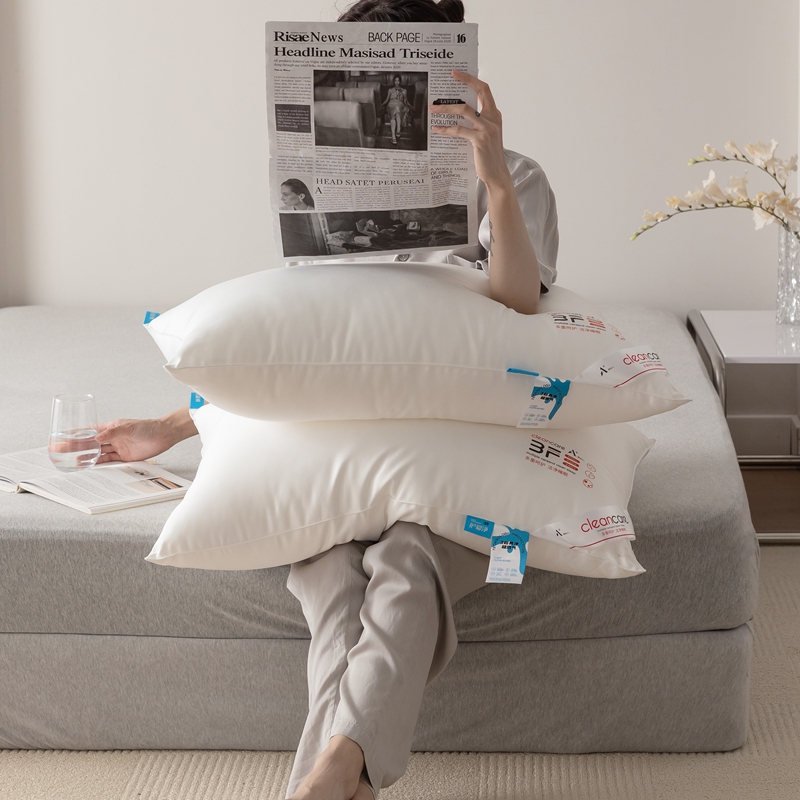
Given the advantages and disadvantages outlined, comparing feather pillows to alternative types is crucial for a comprehensive evaluation.
Memory foam pillows offer a distinct advantage in terms of support and contouring. They conform to the unique shape of your head and neck, providing steady support throughout the night without needing regular fluffing. While memory foam pillows can offer substantial pain relief, they may lack the breathability and aesthetic appeal of feather pillows.
Down pillows, utilizing the softer under feathers, provide a luxurious feel akin to feather pillows but with enhanced softness. However, down pillows might not provide the same level of support as feather pillows, often requiring extra fluffing and maintenance, similar to feather varieties.
Microfiber and polyester pillows form an affordable, low-maintenance alternative to feather pillows. While they offer reasonable comfort and breathability, they may not match the plush feel and durability associated with natural feather options.
Making an informed choice requires evaluating individual preferences and requirements against expert guidelines.
Your preferred sleep position influences pillow choice. Feather pillows work well for stomach and side sleepers due to their softness and moldability. However, back sleepers might benefit from the steadiness of memory foam for consistent neck support.
Assess any allergy concerns before opting for feather pillows. Look for hypoallergenic-treated pillows if you're inclined towards feathers but suffer from sensitivity issues. Alternatively, consider non-feather options to safeguard your health.
Determine a feasible budget range for pillow acquisition. Feather pillows position themselves as a luxury item, usually demanding higher investment than synthetic materials. Compare quality and cost before reaching a purchase decision.
Consider your willingness and ability to maintain the pillow regularly. Feather pillows thrive with consistent fluffing and cleaning, necessary for long-term satisfaction. Assess if you can commit to the maintenance routine before purchasing.
Feather pillows offer a combination of comfort, luxurious feel, and durability, making them a noteworthy selection for many sleepers. However, their high maintenance and potential allergy concerns could prompt individuals to explore alternative pillow types. Ultimately, choosing the best pillow depends on a balance of personal needs, lifestyle, and budget constraints. By evaluating the benefits and drawbacks along with personalized considerations, you can make an informed decision that enhances your overall sleep experience.
Whether you opt for feather pillows or alternatives, remember that quality sleep contributes extensively to overall wellbeing and productivity, making pillow choice a valuable investment in daily vitality.