Updatetime:2025-09-29 10:42:46 View:
In the realm of sleep aids, feather pillows continue to enjoy a significant place, often praised for their luxurious comfort and elegant appeal. For many people, the choice of pillows is a highly personal decision, with their preferences guided by a variety of factors, including support, durability, cost, and hypoallergenic properties. This article explores the benefits and potential drawbacks of feather pillows and provides crucial insights for making informed choices.
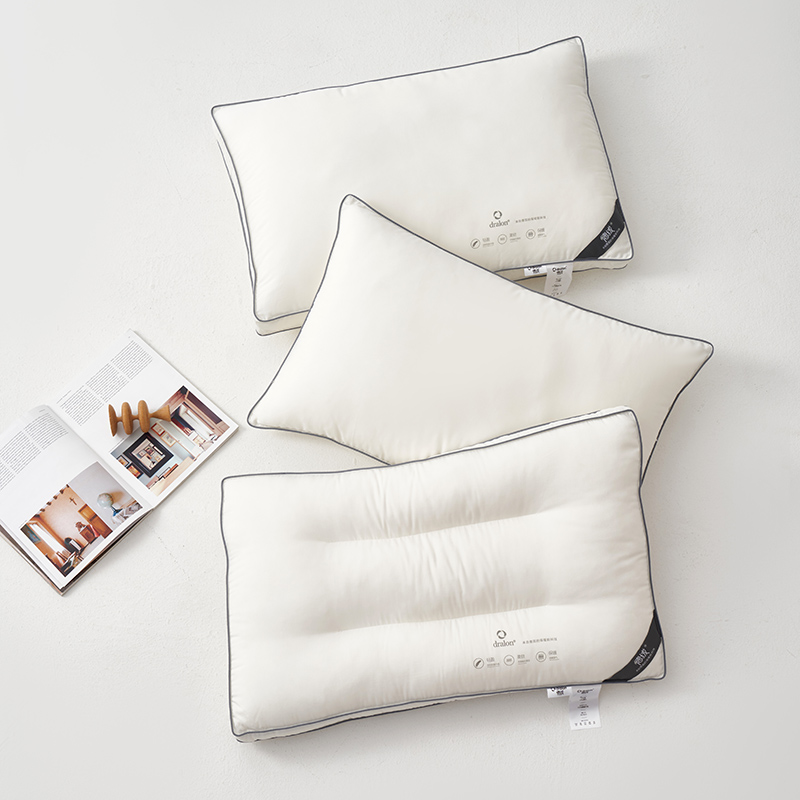
Feather pillows are crafted using the plumage from geese or ducks, particularly utilizing the back and wing feathers. These pillows are known for their softness and malleability, offering a plush sleeping experience. While closely related, down pillows—often composed from the undercoats of birds—differ from feather pillows in the type of feathers used, providing further intricacy in choice.
Feather pillows are often celebrated for their adaptive comfort and ability to provide personalized support. Here are some key advantages:
Feather pillows provide a soft, luxurious sleep experience. Their inherent warmth and plushness contribute to an inviting sleep environment, making them particularly appealing for those who enjoy a cradling sensation while resting.
Due to their structure, feather pillows offer excellent molding capabilities, allowing users to shape the pillow to their preferred loft and support level. This innate adjustability suits various sleep positions, including side, back, and stomach sleeping.
When properly maintained, feather pillows can last for many years. Their construction withstands repeated usage, with periodic fluffing often revitalizing their form and comfort.
Despite their advantages, feather pillows are not without potential downsides and considerations:
Feather materials can be allergenic for some individuals. It’s crucial for allergy sufferers to consider hypoallergenic alternatives or carefully check whether the feathers have undergone thorough cleaning processes, which reduce allergenic risks.
Regular maintenance is essential to preserve the quality of feather pillows. They require periodic fluffing to reinvigorate their shape and should be kept dry to prevent mold during humid conditions.
Feather pillows can be more expensive than synthetic alternatives, particularly when constructed with high-quality feathers. Budget-conscious consumers might need to evaluate the level of investment suitable for their needs.
Choosing the right feather pillow is integral to ensuring a satisfying sleep experience. Here is some practical advice:
Quality assessment begins with examining the cleanliness and construction of the feathers. Ensure the feathers are thoroughly sanitized and look for tightly woven protective covers that prevent feather quill protrusion.
Decide on your pillow loft preference, that being the height a pillow maintains. A higher loft can support side sleepers by aligning the neck, while a lower loft is generally preferred by stomach or back sleepers for neutral spinal alignment.
For individuals with allergies, selecting feather pillows processed for allergen reduction or certified hypoallergenic can mitigate adverse reactions. Regularly washing pillow covers and investing in allergen-blocking pillow protectors can further enhance sleep hygiene.
Preserving the lifespan and comfort of feather pillows involve diligent care:
Frequent fluffing prevents feather clumping, maintaining a consistent shape and even support. It can also help retain the pillow's loft.
Feather pillows should be spot-cleaned or dry-cleaned with caution, as moisture can compromise feather integrity. Refer to the manufacturer's cleaning instructions to ensure appropriate care.
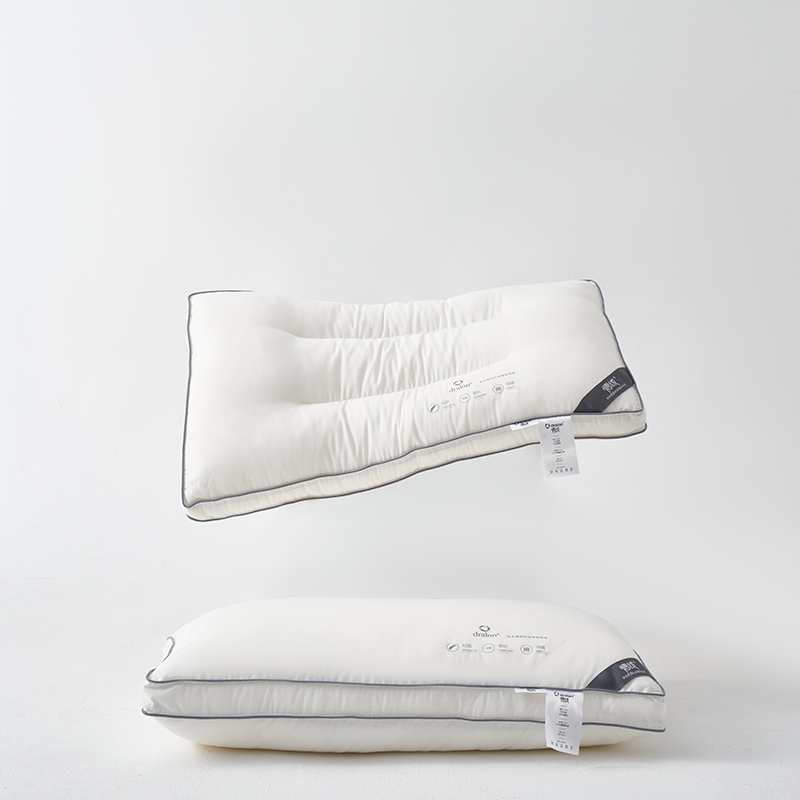
Feather pillows compete with a variety of other pillow types, each offering unique features:
Highly similar to feather pillows, down pillows offer superior softness and an ultra-luxurious sleep experience. They are often costlier but may provide less support due to their plush texture.
Memory foam offers contour-conforming support that adapts to the user's shape, often preferred for its pressure-relief capabilities. Unlike feather pillows, they maintain a consistent shape and durability without regular fluffing.
Budget-friendly polyester or hybrid pillows mimic features of higher-end options like feather pillows but fall short in terms of breathability and luxury. They are suitable for those seeking economical solutions without compromising on baseline comfort.
Feather pillows offer a distinctive blend of comfort, adjustability, and long-term usage, appealing to many sleepers seeking a versatile option from their sleep accessories. Understanding their benefits and drawbacks, alongside personal preferences related to sleep posture and potential allergenic reactions, will guide the choice between feather pillows and their alternatives. For users dedicated to maximizing sleep quality, feather pillows often present a valuable addition to their sleep routine, providing nuanced benefits tailored to individual requirements.