Updatetime:2025-09-27 10:36:59 View:
In today's fast-paced world, where the quest for comfort and health is prevalent, ergonomic products have become increasingly popular. Among these, ergonomic pillows are hailed as game-changers for improving sleep quality and reducing discomfort. But the question remains: are ergonomic pillows truly worth the investment? This article delves into the various aspects of ergonomic pillows, examining their benefits and limitations, and offering insights into whether they are a worthy addition to your nightly routine.
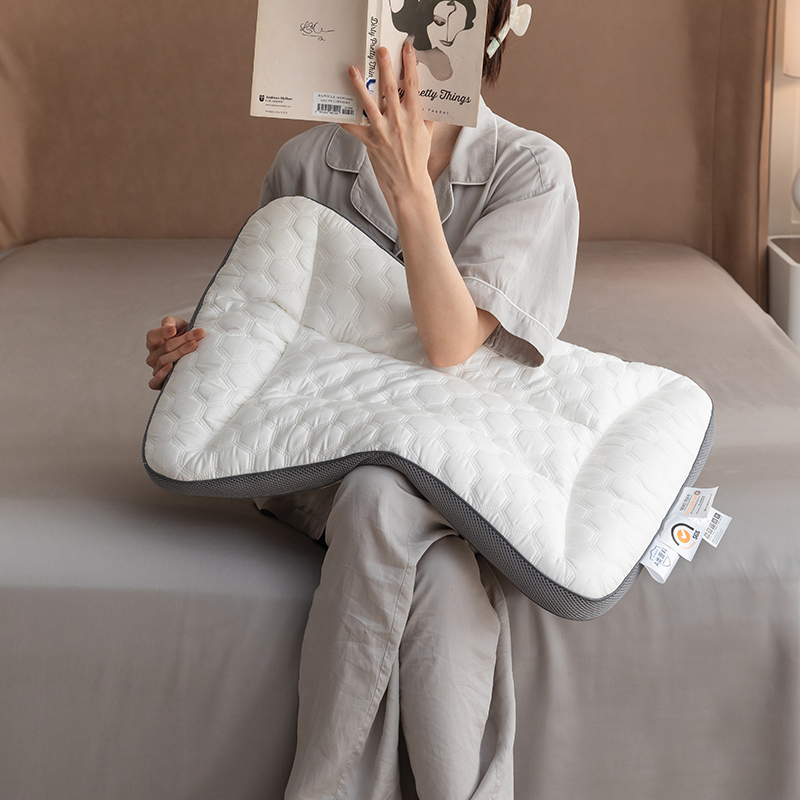
To assess whether ergonomic pillows are worth it, it is essential to understand what they are and how they differ from conventional pillows. Ergonomic pillows are designed with a focus on maintaining the natural curvature of the neck and spine, thereby promoting proper alignment. Typically, these pillows are made from materials such as memory foam or latex, known for their ability to mold to the shape of your body.
The unique design of ergonomic pillows aims to provide optimal support and minimize pressure points. This ensures that the neck and head are cradled comfortably, reducing the strain on muscles and joints that can lead to pain and disrupted sleep.
One of the primary claims of ergonomic pillows is their potential to enhance sleep quality. Proper alignment of the head, neck, and spine facilitates deeper and more restful sleep. Customers often report experiencing fewer interruptions throughout the night when using ergonomic pillows.
For individuals suffering from chronic neck or shoulder pain, ergonomic pillows can offer significant relief. By maintaining proper alignment, these pillows help reduce the strain often caused by traditional pillows. This alleviation of pressure can reduce or even eliminate morning stiffness and soreness.
Ergonomic pillows are crafted to accommodate different sleeping positions—be it side, back, or stomach sleeping. Each pillow design takes into account the unique requirements of these positions, offering tailored support that can make a noticeable difference in comfort levels.
While the benefits are profound, some individuals may experience an adjustment period when transitioning to an ergonomic pillow. The unique contouring, while ultimately beneficial, might feel unusual at first, particularly for those accustomed to traditional pillows.
Ergonomic pillows generally come with a higher price tag than their conventional counterparts. This cost is often justified by the specialized design and materials used. However, for those on a tight budget, this can be a significant consideration. It's essential to weigh the long-term benefits against the initial investment.
Not all ergonomic pillows are created equal, and what works for one individual might not work for another. The wide variety of shapes, materials, and designs means that finding the perfect fit can require some trial and error. This process can be time-consuming and potentially costly if you purchase several pillows before finding the right one.
To determine whether ergonomic pillows are worth it, a comparison with traditional pillows is necessary. Traditional pillows primarily provide comfort but often fall short in offering proper anatomical support, leading to poor sleep posture. As a result, many sleepers experience discomfort, pain, or restless sleep.
Conversely, ergonomic pillows are specifically engineered to support head and neck alignment. This distinction makes them a preferable choice for individuals seeking targeted relief from pain or those committed to improving their sleep health. While traditional pillows may suffice for some, they often necessitate more frequent replacements due to wear and loss of shape, which can ultimately balance out the cost differences over time.
When deciding on an ergonomic pillow, several factors should be considered to ensure the investment is worthwhile:
Your primary sleeping position plays a crucial role in selecting an ergonomic pillow. Side sleepers, for instance, require a pillow with adequate thickness to fill the space between the ear and shoulder, while back sleepers benefit from a pillow that supports the curve of the neck.
Different materials offer varying levels of comfort, support, and durability. Memory foam provides excellent contouring and support, while latex offers elasticity and natural resilience. Evaluate your personal preferences and allergies when choosing pillow materials.
The ideal firmness and height of an ergonomic pillow depend on personal comfort and anatomical needs. A pillow that is too soft may fail to provide adequate support, while one that is too firm might result in discomfort.
Given the subjective nature of comfort, it is wise to choose a retailer offering generous trial periods and return policies. This allows you to test the pillow in the comfort of your home and make an informed decision about its suitability.
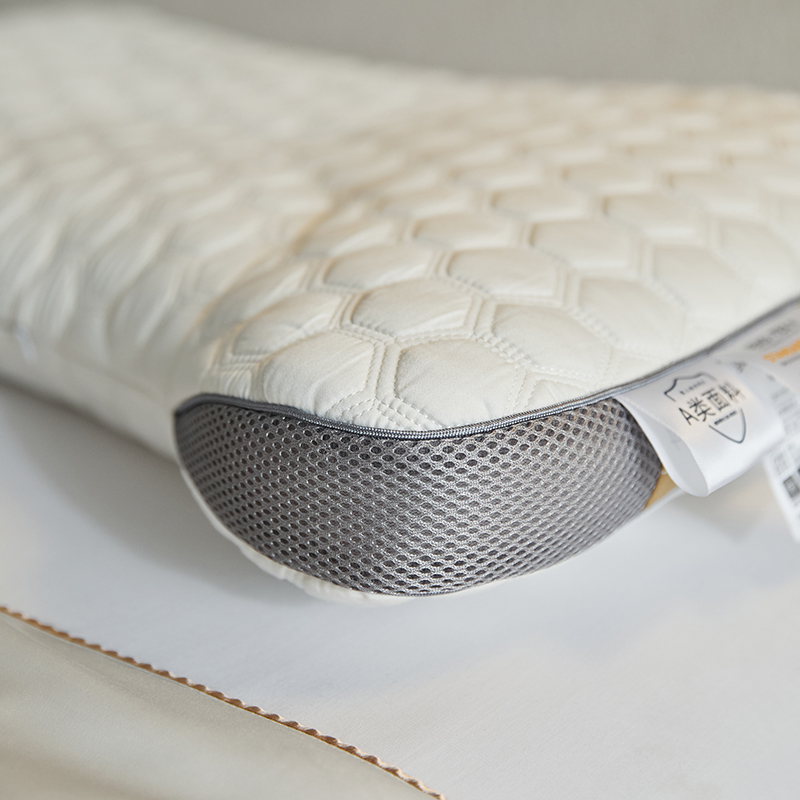
The answer to whether ergonomic pillows are worth it largely depends on individual needs and priorities. For those plagued by neck and shoulder discomfort or seeking to improve their sleep quality, the benefits of ergonomic pillows can decidedly outweigh the cost.
However, it is crucial to conduct thorough research and consider personal preferences and budget when making a selection. By choosing the right ergonomic pillow, individuals can experience substantial enhancements in comfort and sleep health.
Ultimately, although not an absolute necessity for everyone, ergonomic pillows represent a valuable investment for those looking to optimize their nightly rest and overall well-being.