Updatetime:2025-09-26 10:33:53 View:
In an age where wellness and self-care are gradually taking center stage, ergonomic pillows emerge as a popular solution to enhance comfort and support during sleep and rest. With an increasing demand for ergonomic products, including furniture and accessories, the question arises: Are ergonomic pillows good? In this comprehensive analysis, we explore their potential benefits, different types, applications, and considerations to determine their value in improving quality of life.
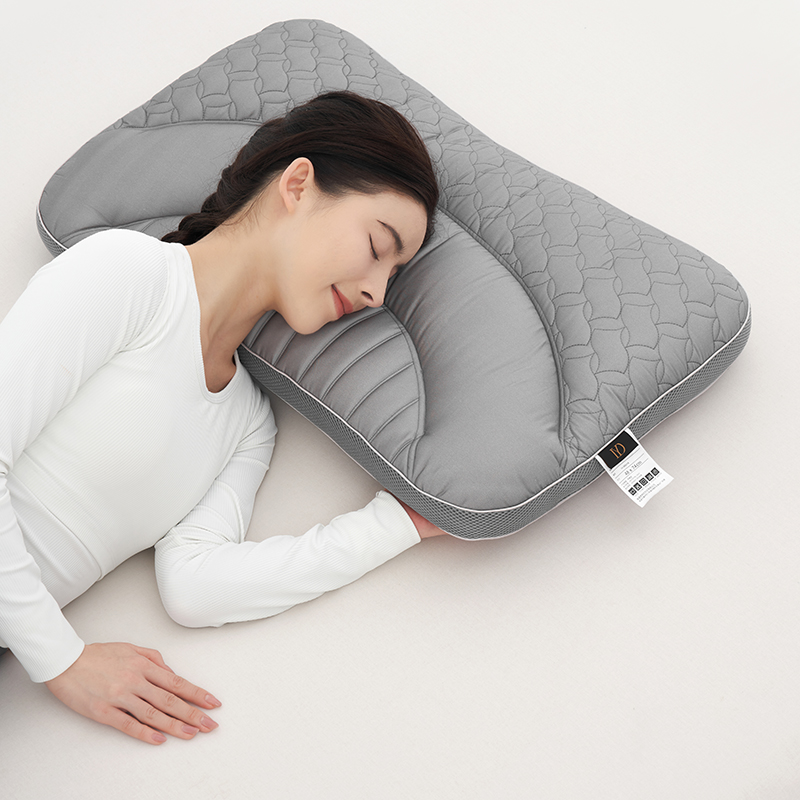
Ergonomic pillows are designed with the human body’s natural posture and needs in mind. Unlike traditional pillows, which focus simply on providing a surface for rest, ergonomic pillows aim to support the head, neck, and spine in a way that promotes healthy alignment and reduces discomfort.
Ergonomic pillows differ in their design, materials, and function. Key features include:
Adopting ergonomic pillows can lead to a myriad of advantages that can contribute significantly to better sleep and overall well-being.
A well-designed ergonomic pillow can provide better support, reducing the chances of tossing and turning during the night. By accommodating the natural curve of the neck and spine, these pillows help alleviate pressure points, leading to more restful sleep.
Many users claim that ergonomic pillows mitigate neck and back pain. The support offered by these pillows prevents misalignment during sleep, which is a common cause of such chronic discomfort. By keeping the cervical spine aligned, ergonomic pillows can assist users in waking up pain-free.
Proper neck alignment during sleep positively influences overall posture. By ensuring the body remains in a healthy position overnight, ergonomic pillows can contribute to improved posture during the day, fostering better musculoskeletal health.
Ergonomic pillows can help reduce snoring by encouraging side sleeping and maintaining an open airway. This reduction can lead to significant improvements in sleep quality not only for the user but also for their partner.
When selecting an ergonomic pillow, it is essential to understand the various options available and their specific benefits.
Designed to support the neck's curvature, cervical pillows are ideal for those seeking relief from neck pain. Their contoured designs help in maintaining spinal alignment irrespective of the sleeping position.
Wedge pillows provide elevation and are commonly recommended for individuals with acid reflux or respiratory issues. By elevating the upper body, these pillows can reduce symptoms and improve comfort.
Body pillows are long and can be used to support the entire body. Pregnant women or those who sleep on their sides often find body pillows helpful for maintaining a comfortable position throughout the night.
Memory foam pillows contour to the shape of the head and neck, offering personalized support. They are particularly effective for reducing pressure points and enhancing comfort.
The effectiveness of an ergonomic pillow largely depends on choosing the right one for your specific needs.
One's preferred sleeping position plays a crucial role in determining the right pillow. Side sleepers, back sleepers, and stomach sleepers all have different requirements for support and comfort.
The choice of material can affect both comfort and durability. Memory foam is highly supportive, while latex offers resilience and cooling properties. Consider your comfort preferences and any allergies when selecting material.
Individual preferences for pillow firmness vary widely. Some users may prefer a firmer pillow for greater support, while others may lean towards softer options for maximum comfort. Experimentation may be necessary to find the ideal firmness.
Understanding a pillow's maintenance requirements and longevity is vital in making an informed choice. Some materials may require specific cleaning methods, and durability can vary depending on pillow quality.
Despite their myriad benefits, there are some potential drawbacks to consider when opting for ergonomic pillows.
Adapting to an ergonomic pillow might require a transition period. Users accustomed to traditional pillows may initially find the support and contoured designs unfamiliar.
Ergonomic pillows can be more expensive than traditional pillows due to their specialized design and materials. However, considering their benefits, the investment might be worthwhile for many users.
To make the most of your ergonomic pillow, follow these best practices:
Seek professional advice: Consult with healthcare providers or sleep specialists to determine the best pillow type for your specific needs.
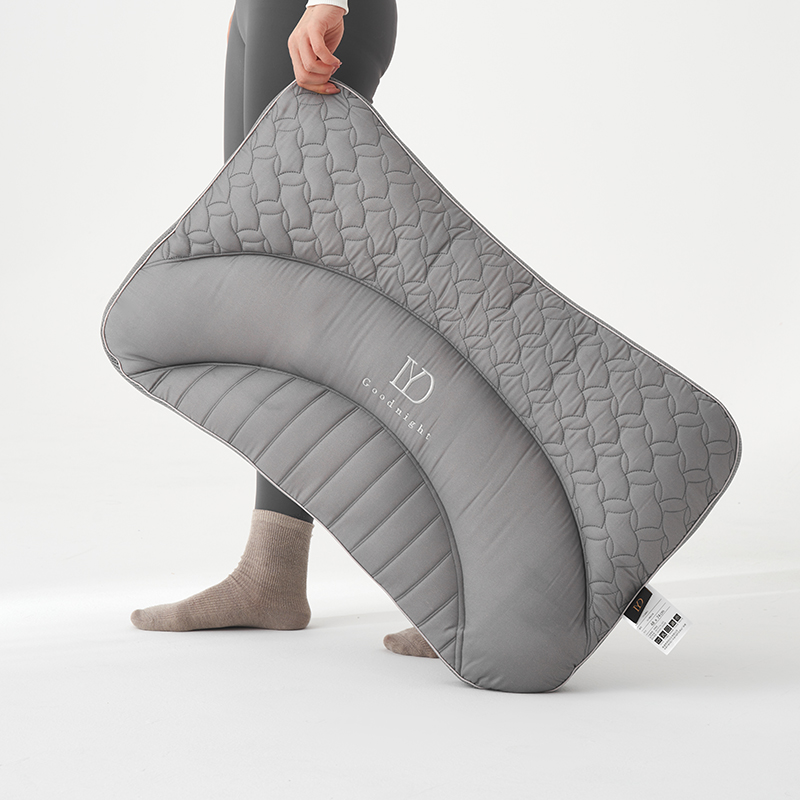
Ergonomic pillows offer a host of benefits such as improved sleep quality, pain relief, and enhanced posture. They are especially valuable for those plagued by chronic discomfort or snoring issues. While the transition to using an ergonomic pillow may require some patience, the potential improvements to sleep and overall well-being can make them a worthwhile investment.
Ultimately, understanding your personal needs and preferences, along with exploring various pillow styles and materials, is key to maximizing the benefits that ergonomic pillows offer. As part of a broader commitment to ergonomic living, these pillows can play a pivotal role in elevating quality of life, demonstrating that they are indeed a good choice for many individuals seeking comfort and support.