Updatetime:2025-09-23 10:24:02 View:
Choosing the right pillow is essential for ensuring high-quality sleep, supporting your health, and improving your overall well-being. For side sleepers, the importance of having a suitable pillow cannot be overstated, as the right pillow aids in proper spinal alignment, alleviates pressure points, and guarantees restorative rest. Among the various types of pillows available, down pillows have sparked curiosity due to their luxurious texture, softness, and adaptability. But are down pillows good for side sleepers? Let’s dive into this topic, examining the benefits, possible drawbacks, and practical considerations to help you make an informed choice.

Down pillows are made from the fluffy undercoat found beneath the feathers of geese or ducks. This fluffy material, known as ""down,"" is soft, lightweight, and insulating, making it ideal for manufacturing cozy and comfortable pillows. Down pillows typically provide a luxurious sleeping experience because they are exceptionally soft, conform well to the sleeper's head and neck, and have a plush, breathable texture.
However, down pillows are distinct from ""feather pillows."" Feather pillows incorporate the coarse outer feathers, while down pillows consist exclusively of the softer inner plumage. This distinction grants down pillows their signature plushness and ability to mold to different shapes.
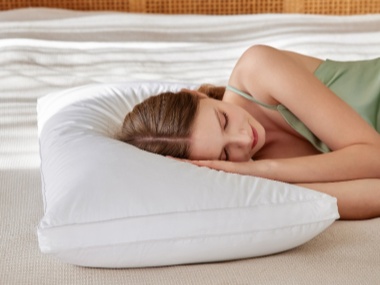
Side sleeping is one of the most popular sleep positions, preferred by many for its comfort and potential health benefits, such as reduced snoring and improved digestion. However, side sleeping creates specific requirements for spinal alignment and mattress support. Because the head and neck are elevated off the mattress, side sleepers need a pillow that fills the gap between their shoulder and head to prevent pressure buildup and misalignment.
Without proper support, side sleepers may experience stiffness, muscle strain, and long-term postural issues. This emphasizes why choosing the right pillow is critical for securing a comfortable and healthy sleep posture.
Down pillows are renowned for their plush texture and ability to deliver a luxurious sleep experience. Side sleepers often benefit from pillows that cushion their head comfortably and conform to their neck's curvature. Down pillows excel in this area by providing gentle support without feeling rigid or overly firm.
Another advantage of down pillows is their adaptability. These pillows contour naturally to the shape of your head and neck, which is highly beneficial for side sleepers because it can help maintain better alignment throughout the night. Unlike memory foam pillows that can sometimes feel uneven or overly structured, down pillows mold intuitively to unique sleeping positions.
Down pillows are light and airy, making them easy to adjust or move during sleep. Many side sleepers change positions or reposition their pillows during the night, and the lightweight nature of down pillows makes this process hassle-free.
Sleeping comfortably involves temperature regulation, which can be particularly challenging for those prone to night sweats. Down pillows have excellent breathability due to the natural properties of down, which allows air circulation and prevents overheating. This cooling effect may significantly enhance sleep quality for side sleepers in warm climates or under heavy blankets.
High-quality down pillows are durable and retain their shape for extended periods, especially if cared for correctly. This longer lifespan makes investing in a well-crafted down pillow worthwhile, ensuring it continues to provide consistent support for side sleepers year after year.
While down pillows offer unmatched softness, they may lack the firmness required to fully support a side sleeper's head and neck in some cases. Over time, the pillow may flatten or compress, failing to provide the necessary loft for maintaining spinal alignment. Side sleepers who require firmer support may need to explore alternatives or add extra filling to their down pillows.
Down pillows are often more expensive than synthetic or foam options due to their labor-intensive manufacturing process and high-quality materials. This price point may deter budget-conscious shoppers, especially those unsure of whether down pillows are the right choice for their sleep posture.
Down pillows require proper care to prevent clumping, maintain fluffiness, and avoid allergen accumulation. Regular cleaning, fluffing, and use of protective pillowcases will be necessary, and improper care could result in reduced durability and effectiveness.
Some individuals are allergic to natural down or feathers, potentially preventing them from comfortably using down pillows. While many manufacturers produce hypoallergenic down pillows, this is an important consideration for sensitive side sleepers who may need to avoid natural materials.
If you're a side sleeper interested in trying a down pillow, consider the following factors to find the best option for your needs:
Loft height describes the thickness of the pillow when fully fluffed. Side sleepers require higher loft pillows to adequately fill the space between their head and shoulder, ensuring optimal spinal alignment. Look for down pillows designed with high lofts or those that allow customizable filling levels.
While down pillows are known for their softness, some side sleepers may prefer firmer support for greater stability. Consider pillows with a combination of down and feathers or pillows labeled as ""firm"" to ensure proper neck alignment without compromising comfort.
Fill power measures the quality and density of the down used in your pillow. A higher fill power indicates better insulation and durability, meaning the pillow will feel more supportive and maintain its shape over time. Aim for a fill power of 600 or higher for optimal performance.
The cover material of a pillow can impact its breathability, durability, and hypoallergenic properties. Look for covers made of high-thread-count cotton or other natural materials to maximize airflow and ensure a smooth sleeping surface.
If you have allergies or sensitivities, prioritize hypoallergenic down pillows. These products are treated to remove allergens and microbes, ensuring they remain safe and comfortable throughout use.
Some down pillows come with zippered compartments or customizable designs that permit you to add or remove the filling. This adjustability can be especially useful for side sleepers who wish to fine-tune the pillow's loft and firmness to match their unique needs.
If down pillows don’t encompass all your preferred features or requirements, it's worth exploring alternative pillow materials designed for side sleeping. These include:
Shredded Foam: Allows adjustability in terms of firmness and loft, ensuring personalized comfort.
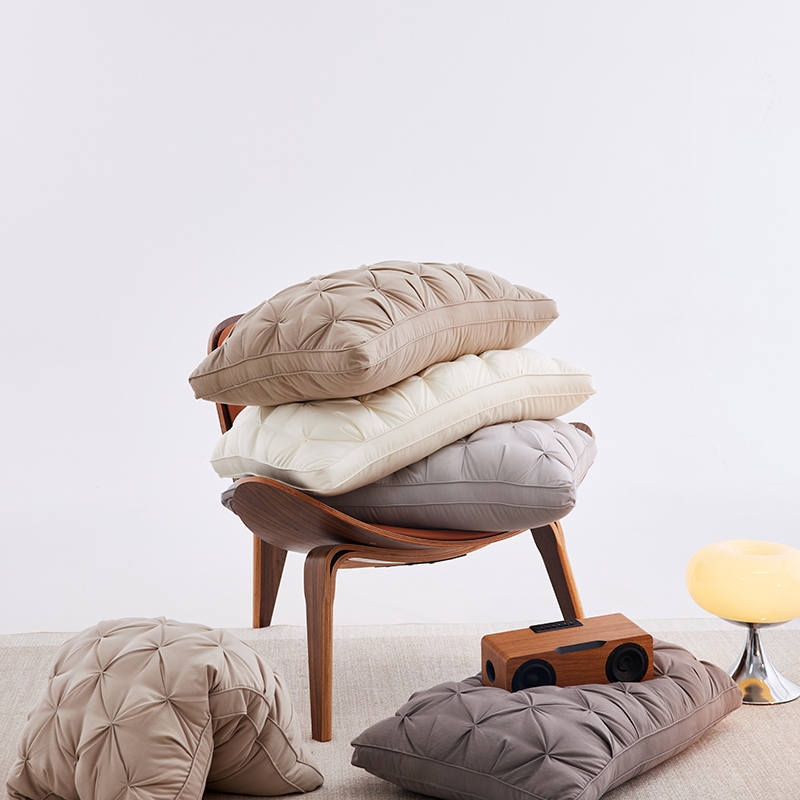
So, are down pillows good for side sleepers? The answer largely depends on the individual’s preferences and specific sleep needs. Down pillows provide luxurious softness, excellent adaptability, and lightweight comfort, making them a great choice for many side sleepers. However, challenges like diminished firmness, maintenance requirements, and potential allergy issues should be carefully considered.
To make the best decision, assess your sleeping posture, support needs, and care preferences while exploring customized options like adjustable down pillows or alternative materials. Pair your pillow choice with a supportive mattress for side sleepers, and you’ll create a sleep environment that promotes optimal health, relaxation, and rejuvenation.
Side sleepers deserve a high-quality pillow that caters to their unique needs. By following this guide, you’ll be well-equipped to determine whether a down pillow is the perfect complement for your nightly rest. Sweet dreams await!