Updatetime:2025-09-24 10:28:11 View:
In the realm of sleep solutions, down pillows have long held a prestigious place. Known for their softness, support, and luxury feel, these pillows are often found in upscale hotels and high-end home settings. But does their reputation match reality? Are down pillows truly good, and do they represent a worthwhile investment for your comfort and sleep quality? In this comprehensive article, we delve into various aspects of down pillows, discussing their advantages, disadvantages, care requirements, and overall value to help you make an informed decision.
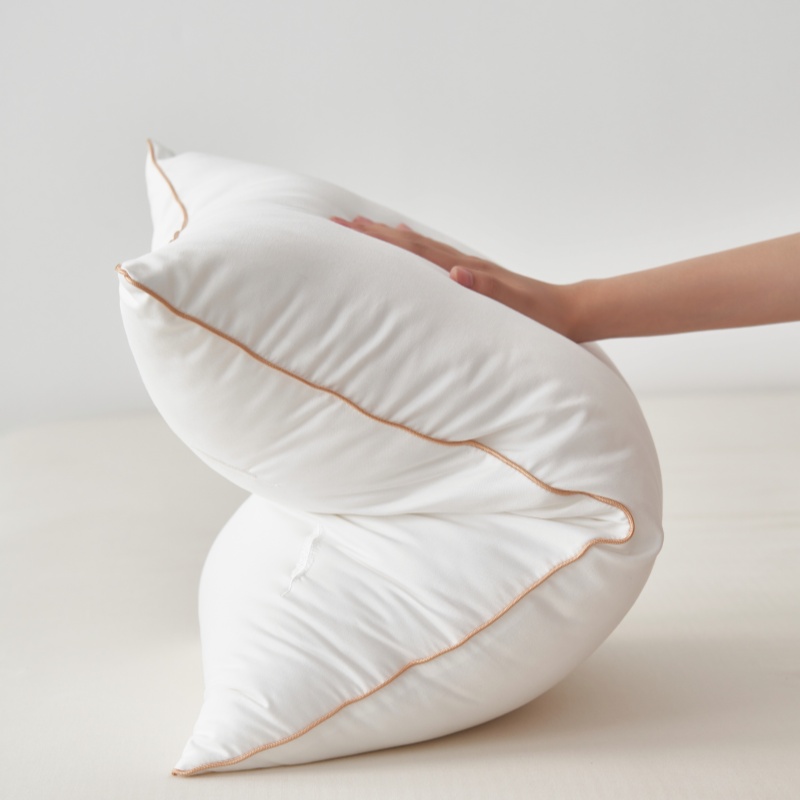
Before delving into their benefits and drawbacks, it’s crucial to understand what down pillows are. Down refers to the soft, fine feathers located beneath the tougher exterior feathers on the bellies of ducks and geese. These clusters are excellent at trapping air, providing insulating warmth to the birds, and similar comfort to pillow users.
Down pillows are often confused with feather pillows, but the two differ significantly. Feather pillows include harder quills, which can poke through fabric and diminish comfort. Conversely, down pillows use only the soft under-feathers, typically offering a more plush and resilient sleeping experience.
One of the primary reasons people opt for down pillows is their unmatched softness and comfort. The plush nature of down allows these pillows to conform to the shape of your head and neck, providing a customized support structure that is difficult for other materials to replicate.
Down pillows provide excellent insulation, keeping you warm during cold nights while also offering breathability to prevent overheating in warmer conditions. This balance makes down pillows suitable for use throughout the year.
When properly cared for, down pillows can last for many years. Their natural resilience allows them to retain their shape better than many synthetic alternatives, providing consistent support over time. Investing in down means you might not need to replace your pillows as frequently, offering good long-term value.
For those concerned about allergies, hypoallergenic down pillows are available. These pillows undergo special cleaning processes to remove allergens from the down, making them a viable option for sensitive individuals.
One of the most common criticisms of down pillows is their cost. High-quality down pillows are significantly more expensive than synthetic or even some feather alternatives. While the initial investment is steeper, the durability of down might balance the cost over time.
Down pillows require careful maintenance to prolong their lifespan. Regular fluffing is necessary to maintain their loft and comfort, and they should be cleaned according to specific guidelines — often involving professional dry cleaning — to avoid damage.
Ethical concerns can arise due to the sourcing of down, as the industry has faced criticism regarding animal welfare. Consumers interested in down pillows should seek products that adhere to responsible sourcing standards, such as those certified by recognized ethical organizations.
Although hypoallergenic options exist, some individuals may still experience allergic reactions to down. It's essential to conduct a trial period, if possible, to ensure compatibility with your allergies.
When considering down pillows, several factors should guide your decision-making process. Here are some key aspects to consider:
Fill power measures the quality and loftiness of the down. A higher fill power indicates superior quality, offering better support and durability. For the best experience, look for pillows with a fill power of 600 and above.
The outer fabric, or shell, of the pillow should be dense enough to prevent down from leaking. Typically, a tightly woven cotton fabric is used, which is both breathable and sturdy.
To address ethical concerns, opt for down pillows that are responsibly sourced. Certifications such as RDS (Responsible Down Standard) or ensuring that the brand follows ethical guidelines can provide peace of mind.
Your own preferences should significantly influence your choice. Consider your sleeping position, firmness preferences, and any specific features you desire in a pillow. Whether you need more support, milder firmness, or non-slip characteristics can all play a role.
Maintaining down pillows requires commitment but pays off in prolonged comfort and lifespan. Here are some practical tips:
Fluff your down pillows daily to help them maintain their loft and prevent clumping. This ensures they continue to deliver optimal support.
Clean your down pillows according to manufacturer guidelines. While some may allow for gentle machine washing, many recommend professional dry cleaning to maintain integrity.
Consider using pillow protectors to guard against spills, stains, and dust mites. These protectors should be washable and breathable to ensure they do not compromise the pillow’s comfort.
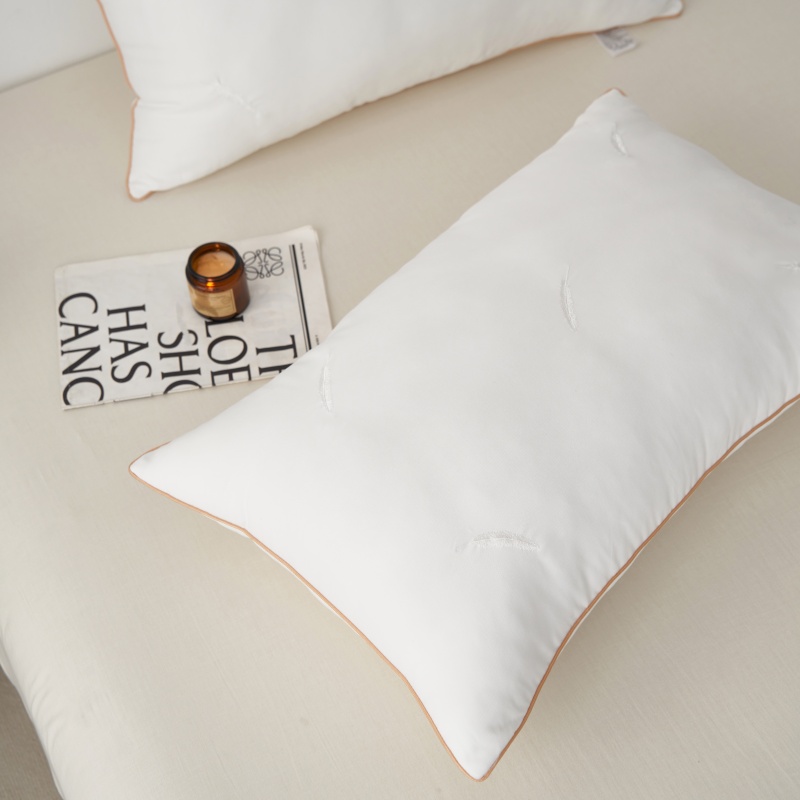
So, are down pillows good? The answer largely depends on what you prioritize in a pillow. If you value comfort, customize support, and are willing to invest time and money in maintenance and ethical sourcing, down pillows can be an excellent choice. They offer an unparalleled sleep experience for those who prefer a softer and more adaptable pillow.
However, if cost, maintenance demands, or ethical concerns are significant factors for you, alternative options such as high-quality synthetic pillows or other natural fillings might better suit your needs. Ultimately, understanding the full scope of the benefits and drawbacks of down pillows will help you make the best decision for a restful night's sleep and overall well-being.