Updatetime:2026-08-02 19:15:42 View:
When it comes to creating cozy living spaces or sprucing up your home décor, pillows play a pivotal role. Whether you are decorating a living room, bedroom, or outdoor patio, pillow covers can add texture, color, and personality to any space. However, one of the most overlooked elements of pillow styling is the choice of the insert size. Specifically, if you are working with an 18x18 pillow cover, what size insert should you choose to maximize comfort, aesthetics, and durability? This guide will provide you with actionable insights and practical advice to make informed decisions.
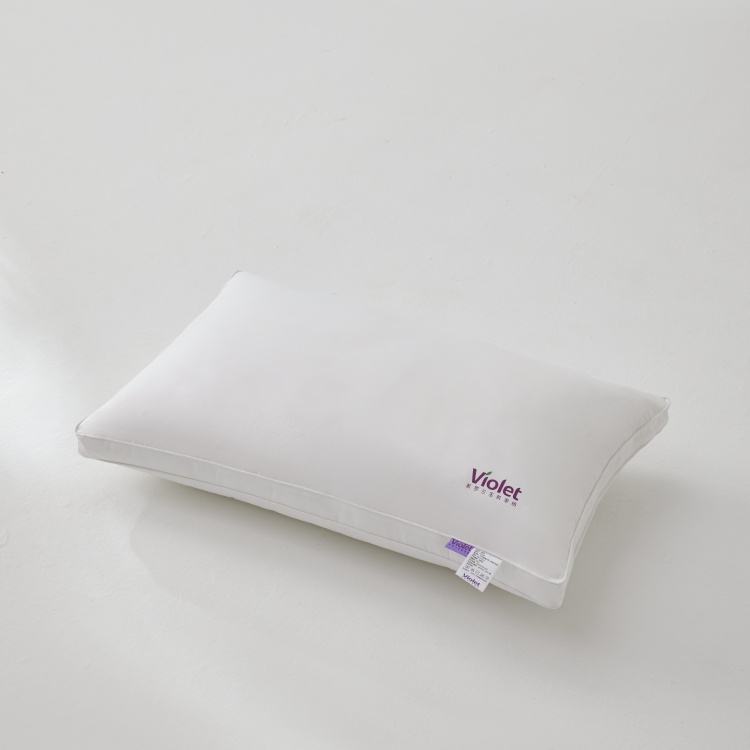
Before jumping into the perfect insert size for an 18x18 pillow cover, it’s essential to understand the interplay between pillow covers and inserts. Pillow covers serve as the aesthetic layer, showcasing designs, patterns, or textures, while the pillow inserts provide the structural support and functionality—whether that’s comfort for lounging or simply visual appeal for decoration.
Choosing the wrong insert size can lead to underwhelming results. An insert that’s too small will create a saggy and underfilled look, while one that’s too big risks damaging the seams and altering the polished appearance of your pillow cover. Balanced proportions are key to achieving a stunning and functional pillow.
For an 18x18 pillow cover, it is generally recommended to use a pillow insert that is 20x20 inches. This guideline, often referred to as the “two-inch rule,” allows the insert to properly fill out the pillow cover and achieve a plump, full look. Using an insert that is slightly larger than the cover ensures there are no saggy or empty corners, and the pillow appears luxurious and inviting.
This approach is particularly effective for decorative pillows, where visual appeal plays an essential role. The larger insert will provide a firm and proud presentation while maintaining a comfortable feel. Additionally, it helps keep the pillow shape intact, even with extended use.
Sizing up the insert has several advantages over using a same-sized or smaller insert:
A slightly larger insert gives the pillow a fuller, more defined look. Pillows that appear plump and well-stuffed contribute positively to the overall design of a space. Flat or sagging pillows, on the other hand, detract from the visual appeal and may appear cheap or neglected.
A fuller pillow insert offers more cushioning, making it a better option for supporting your back, neck, or arms. Whether you're lounging on the couch or sitting up in bed, the added firmness contributes to higher comfort and usability.
Using a slightly larger insert ensures that the corners and edges of your pillow cover are stretched neatly, which reduces wrinkling and uneven shaping. This alignment allows your pillow covers to maintain their designed form longer and adds durability to the fabrics.
Before settling on a 20x20 insert for your 18x18 pillow cover, there are additional factors worth considering. These considerations can help you achieve a truly optimal choice for both aesthetics and functionality.
The thickness and rigidity of the pillow cover's fabric play an important role in determining the perfect insert size. For lightweight fabrics like cotton or linen, a 20x20 insert will fill the cover effectively without causing stress on the seams. However, if your pillow cover is made of a heavier, less flexible material (e.g., leather, burlap, or tapestry fabric), you should consider sizing up by only an inch (e.g., a 19x19 insert) to avoid putting strain on the cover.
Consider the purpose of the pillow. If it is purely decorative and won't be used for heavy wear, sizing up the insert is ideal. On the other hand, pillows that are meant for functional support while sitting or lounging might benefit from inserts closer to the cover size, such as an 18x18 or 19x19 option. This ensures the pillow isn’t too firm or uncomfortable.
The type of material used for the insert is another crucial factor. Down feather inserts tend to compress more and require sizing up to achieve fullness. For synthetic fills or foam inserts, you might notice less compression, which could allow you to stick closer to the size of the pillow cover.
Inspect the stitching of your 18x18 pillow cover. If the seams are particularly tight or delicate, an oversized insert may risk damaging the fabric or breaking the stitching. In such cases, use an insert closer to the cover’s actual dimensions.
Ultimately, how you want your pillow to look and feel plays a decisive role. Some individuals prefer fluffier, fuller pillows for their décor, while others may want softer, slightly loose pillows for comfort. You should take this into account when selecting an insert size.
Choosing the right insert size is only half the battle. Ensuring you maintain the integrity and appearance of your pillow inserts is equally important. Below are actionable tips to help you along the way:
Whenever feasible, test pillow inserts before making a purchase. If you buy online, carefully check reviews focused on the filling density and compression over time to ensure the product meets your expectations.
If you’re opting for a down feather insert, fluff and shake it regularly to maintain its loftiness. Synthetic fills should be checked for firmness and resilience to avoid flattening over time.
Inspect your pillow inserts every few months for signs of wear such as flattening, damages, or loss of structure. Replace inserts regularly, especially for pillows exposed to high usage.
While it may be tempting to choose the most budget-friendly option, prioritizing higher-quality inserts will save both time and money in the long run. Well-made inserts last longer, maintain their shape better, and enhance the look of your pillow covers.
Pillow inserts can be adapted based on seasonal décor changes. For instance, you may opt for firmer inserts in winter for a cozy vibe, while softer inserts may suit a breezier summer theme.
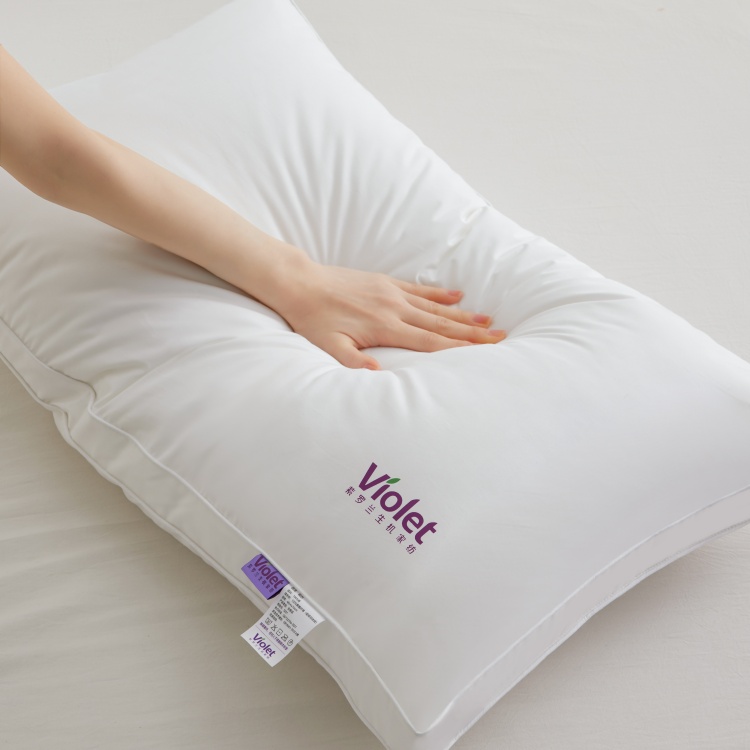
When choosing a pillow insert for your 18x18 pillow cover, remember that sizing up to a 20x20 insert is the best practice for achieving a full, polished, and aesthetically pleasing look. However, don’t forget to factor in fabric type, intended use, personal preferences, and insert fill material to tailor your choice to your needs. Selecting the right insert not only adds beauty to your home but also enhances practicality and comfort.
With this in-depth guide, you can now confidently purchase or recommend the perfect pillow inserts for any occasion, ensuring each pillow cover shines in the best possible light. Pay attention to sizing, quality, and maintenance, and you’ll have stylish pillows that will add charm and personality to your space for years to come!