Updatetime:2026-08-02 19:12:32 View:
A pillow cover is an essential element of home decor that brings both style and comfort to your living space. These decorative items help tie together the aesthetic of a room while providing added support when lounging or sleeping. Choosing the right pillow insert size for your pillow cover is just as important as picking out the cover itself. In this article, we’ll explore what size insert to use for a 12x20 pillow cover, discuss dimensions, provide actionable tips, and delve into the factors that influence your choice to ensure a professional finish.
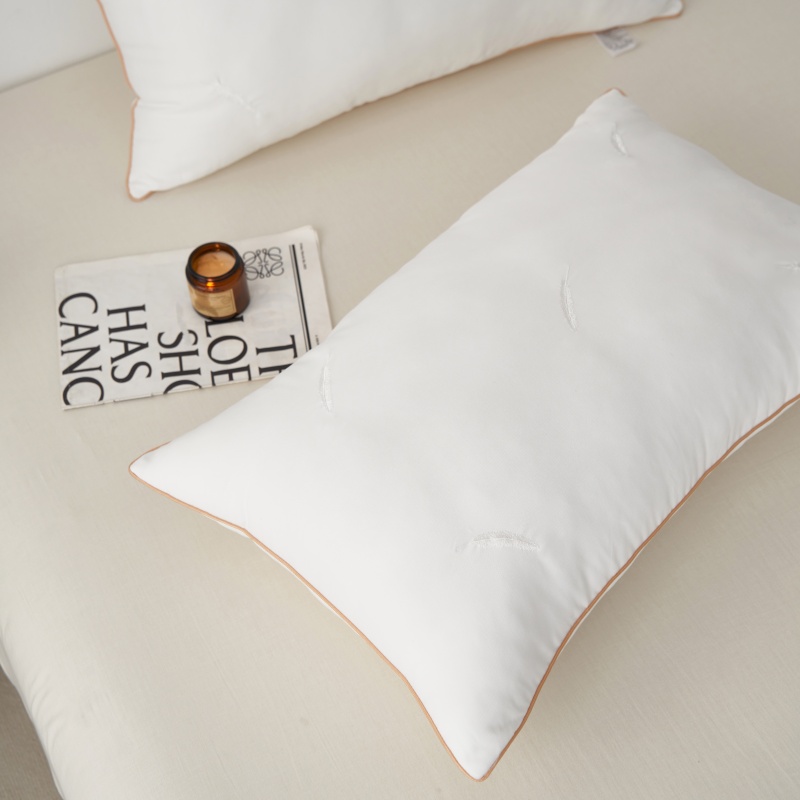
Before diving into dimensions, let’s start by defining what a pillow insert is. A pillow insert is the actual filling that goes inside a pillow cover to give it shape, softness, and functionality. Inserts typically come in various materials, such as polyester fiberfill, down, or memory foam, and different levels of firmness and thickness. Choosing the right pillow insert ensures your pillow has the proper shape, feels comfortable, and looks aesthetically pleasing.
The rule of thumb when selecting a pillow insert size is to use an insert that is slightly larger than the pillow cover. For a 12x20 pillow cover, the recommended insert size is a 13x21 inch pillow. The reasoning behind this is simple: a slightly larger insert will fill out the corners of the pillow cover, provide a plump appearance, and ensure that the pillow doesn’t look saggy or under-filled.
If you use an insert that is exactly the same size as the cover, the pillow may look flat and fail to deliver the desired fullness. On the other hand, choosing an insert that is excessively large could stretch the fabric of the pillow cover and make it difficult to zip or fasten. Therefore, the “1-inch larger” guideline is an industry standard to achieve a balanced and professional look.
Pillow inserts play a significant role in the overall look of a decorative pillow. When the insert is too small, the pillow appears deflated, which can detract from the design and style of your space. On the other hand, an oversized insert ensures the pillow cover maintains clean, crisp lines and a luxurious plumpness that elevates your decor.
Size also impacts comfort. An appropriately sized insert ensures the pillow is supportive, whether used as lumbar support, a headrest, or simply a decorative element. A well-filled pillow also ensures durability, distributing weight evenly and preventing wear and tear on the fabric.
Using the wrong size insert can damage your pillow cover. An oversized insert may stretch the seams or zipper, while a smaller insert can lead to wrinkles and uneven alignment. Proper sizing minimizes stress on the fabric and prolongs the lifespan of both the insert and the cover.
To ensure you purchase the correct insert size, it’s critical to know how to measure a pillow cover accurately. Keep the following steps in mind:
The material of the pillow insert can influence the look and feel of the pillow. Here are the most common types and their benefits:
Polyester fiberfill is affordable, lightweight, and easy to maintain. It works well for decorative pillows because it retains its shape and provides a firm structure for designs. However, it may not be as soft or luxurious as natural materials.
Down inserts (made from duck or goose down) or feather inserts offer incredible softness and a classic, plush appearance. These materials are ideal for achieving a cozy, high-end aesthetic. Keep in mind, however, that down inserts can be more expensive and may require additional protection for individuals with allergies.
Memory foam inserts are popular for functional pillows used in lumbar or neck support. These inserts conform to your body shape, providing ergonomic comfort. For decorative 12x20 pillows, memory foam is generally less popular due to its firmness and weight.
While size and material are essential to consider, there are additional factors to keep in mind when selecting an insert for a 12x20 pillow cover:
Will the pillow be purely decorative, or will it serve a functional purpose such as support during sleep or lounging? Decorative pillows benefit from softer, plump inserts, while functional pillows may need firmer or ergonomic inserts.
The thread count and fabric type of the pillow cover can determine how it accommodates an insert. A cover made from thick, durable fabric (e.g., cotton canvas) can withstand the pressure of a larger insert better than delicate fabrics like silk or velvet.
If the pillow will be used outdoors or in high-traffic areas, choose an insert made from weather-resistant or hypoallergenic materials. This ensures the pillow can withstand wear, dirt, and moisture over time.
To ensure you select the ideal insert for your 12x20 pillow cover, consider the following actionable tips:
Using a smaller insert is not recommended because it will leave too much empty space inside the cover, causing it to appear flat and inconspicuous.
An oversized insert can stretch the pillow cover’s seams beyond capacity, potentially damaging the fabric or making it impossible to zip or close the cover securely.
Yes, the type of material used in the insert influences its durability and comfort. High-quality materials like feather inserts or memory foam tend to last longer and provide better support compared to cheap polyester fillers.
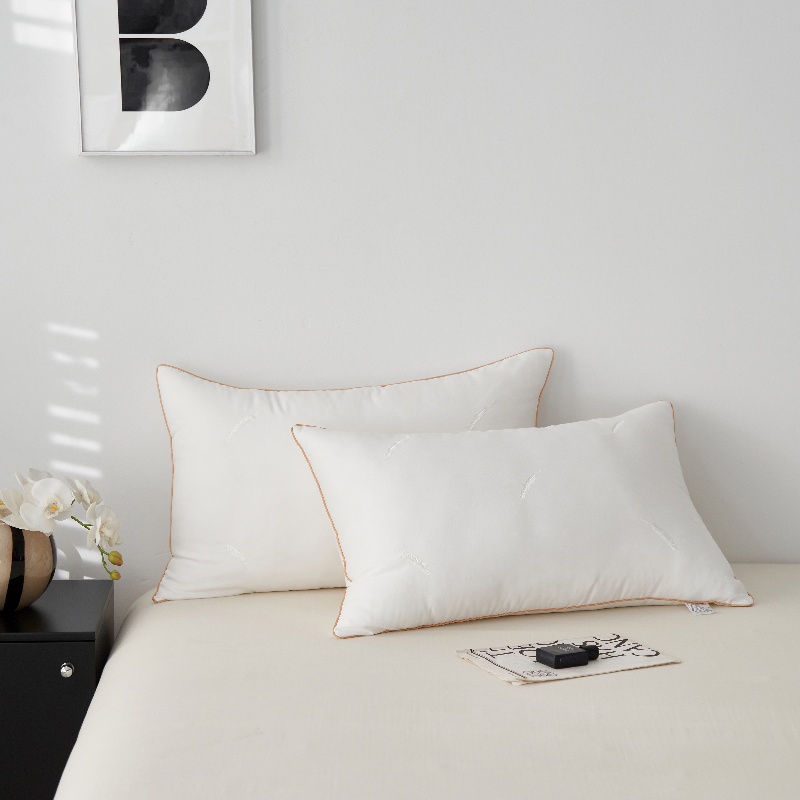
Choosing the right size insert for a 12x20 pillow cover is key to achieving both aesthetic appeal and functionality. Stick to the industry standard of selecting an insert that is one inch larger (13x21 inches) than the cover to ensure a plump, full appearance. Measure your pillow cover carefully, consider the material of the insert, and think about how the pillow will be used to make the best decision. By following these guidelines, you’ll create a beautiful and comfortable addition to your decor that will stand the test of time.