Updatetime:2026-07-17 09:13:00 View:
A good night’s sleep is pivotal to maintaining overall health, productivity, and well-being. However, for many individuals, neck pain and spinal discomfort can interfere with quality sleep. This is where orthopedic pillows come into play, specifically designed to improve sleep posture, alleviate pain, and support the natural alignment of your spine. Orthopedic doctors often recommend a specific type of pillow that caters to individual needs based on factors such as medical conditions, sleep position, and personal comfort. So, what pillow do orthopedic doctors recommend? Let’s delve deep into insightful recommendations and practical advice on how to make the best choice for your sleep health.
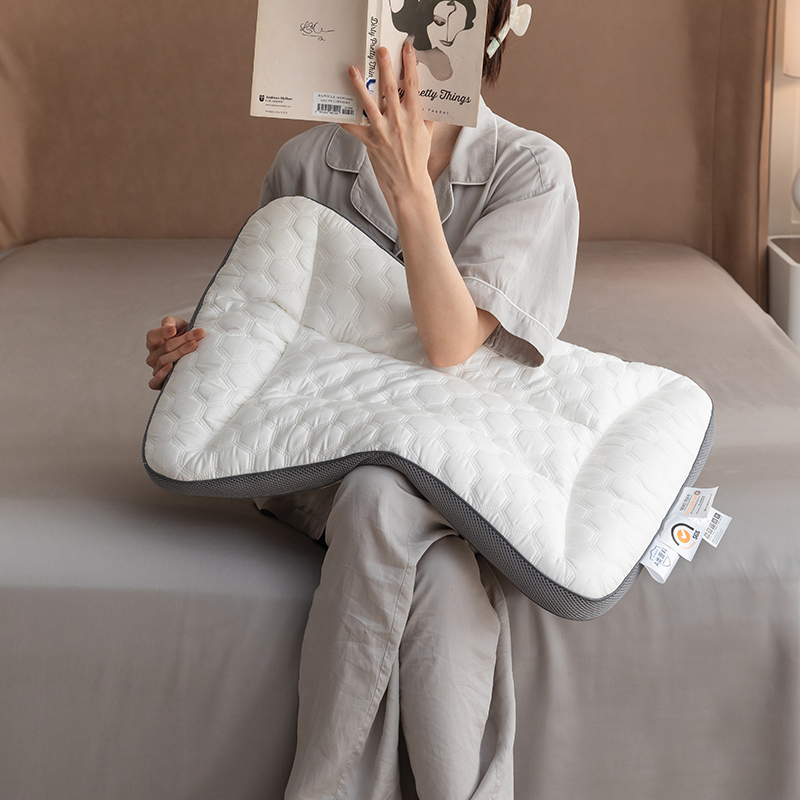
Orthopedic pillows are designed with a scientific approach to correct body posture during sleep and support musculoskeletal health. Unlike standard pillows, these pillows come in a variety of shapes, sizes, and materials, aimed at addressing specific concerns such as neck pain, lumbar discomfort, and even sleep apnea.
What distinguishes orthopedic pillows from regular ones? Orthopedic pillows are constructed with the following features:
Orthopedic doctors usually recommend these pillows to the following individuals:
The decision to recommend a specific type of pillow isn’t one-size-fits-all. Orthopedic doctors assess several factors before advising patients on the most suitable pillow. Here are critical factors that determine their recommendations:
Your sleep position plays a vital role in determining the best pillow for you. Different sleep positions require varying levels of support:
Individuals with specific medical issues need tailored pillows:
Material choice heavily affects the pillow’s effectiveness and comfort. Orthopedic doctors often recommend:
The right pillow size and shape depend on both your sleeping posture and body proportions:
Orthopedic doctors often recommend pillows that fall into the following categories:
Shaped to support the natural curve of the neck, cervical pillows are highly recommended for people dealing with neck stiffness or pain. They feature an ergonomic contour designed to cradle the head and reinforce the neck’s alignment.
Memory foam pillows respond to the pressure and heat of the body, conforming to the shape of the individual’s neck and head. This reduces strain and provides optimal comfort throughout the night.
Wedge pillows are triangular in shape and intended to elevate parts of the body for improved circulation, breathing, and pain relief. They aid in conditions like acid reflux, sleep apnea, and post-surgical recovery.
Primarily used for lower back pain while sitting or lying down, lumbar pillows provide adequate support to the lumbar area, alleviating discomfort effectively.
Similar to cervical pillows, contour pillows provide a molded shape for the neck, making them perfect for side and back sleepers.
When selecting an orthopedic pillow, it is essential to look for quality and compatibility with your specific needs. Here are practical tips to guide you:
An orthopedic doctor or chiropractor can help you identify suitable options that address medical conditions while promoting proper sleep posture.
Knowing your preferred sleep position will narrow down the choices and ensure the pillow offers effective support.
Many orthopedic pillows now allow adjustable thickness or firmness, offering personalized solutions suitable for your needs.
If you have allergies, select a pillow made from natural materials like latex or ones specifically labeled as hypoallergenic.
Whenever possible, test the pillow to assess comfort, firmness, and support for your unique requirements.
Orthopedic pillows, despite their durability, need proper care and maintenance to ensure they retain their shape and support for extended durations:
Replace your pillow every 1-2 years to avoid deformation or loss of support.
Choosing the right pillow is crucial for your overall health and sleep hygiene, especially if you suffer from neck pain, back pain, or poor posture. Orthopedic doctors value customized solutions based on an individual’s sleep position, body type, and medical needs. By understanding the defining features of orthopedic pillows and matching them to your requirements, you can significantly enhance your sleep quality and well-being. Remember to consult your healthcare provider for precise recommendations tailored to your condition and lifestyle. The path to healthier, pain-free sleep begins with informed choices.