Updatetime:2026-07-16 11:58:51 View:
Orthopedic pillows are a game changer in promoting better sleep and overall health. They provide exceptional support and alignment for your neck, head, and spine, reducing discomfort, alleviating pain, and enhancing sleep quality. With an overwhelming variety of options available in the market, finding the best orthopedic pillow can seem daunting. This comprehensive article will help you navigate the key considerations and dimensions that determine the perfect orthopedic pillow for your needs.

Orthopedic pillows are specifically designed to support the natural curvature of your neck and spine, which can help mitigate pain, stiffness, and other common sleep-related problems. They are ideal for individuals suffering from chronic neck pain, muscle tension, migraines, or poor posture. A high-quality orthopedic pillow ensures proper alignment through ergonomic design, encouraging restful sleep and contributing to overall health and wellness.
One of the most significant benefits of orthopedic pillows is their ability to align your spine and neck correctly. Improper alignment during sleep can lead to discomfort and long-term health issues such as chronic pain or poor posture. Orthopedic pillows are made to cater to different sleeping positions, ensuring your neck and head are comfortably supported to maintain correct posture throughout the night.
For people recovering from injuries or suffering from persistent neck or shoulder pain, orthopedic pillows can provide much-needed support and cushioning. By maintaining alignment, they reduce pressure on sensitive areas, promoting faster recovery and relief. Some designs even assist those with medical conditions such as cervical spondylosis or herniated discs.
Poor sleep patterns due to discomfort can negatively impact your daily life. Orthopedic pillows promote restful sleep by helping you maintain a proper sleeping posture, reducing tossing and turning and allowing you to wake up feeling refreshed and energized.
Selecting the most suitable orthopedic pillow requires you to analyze various dimensions. Here, we'll outline the critical points to consider when making your decision.
Your sleeping position plays a vital role in determining which type of orthopedic pillow best suits you. If you sleep on your side, you need a pillow with firm support that fills the gap between your head and shoulders to keep your spine aligned. Back-sleepers benefit from neck roll pillows or contoured pillows that provide a comfortable curve to cradle their neck. For stomach sleepers, a softer, flatter pillow works better to avoid neck strain.
Orthopedic pillows come in various materials, each with its own set of advantages. Here are the most common materials:
Orthopedic pillows come in various shapes to cater to diverse needs:
The firmness of the orthopedic pillow should complement your comfort preferences and support requirements. Medium to firm pillows are generally advised as they offer adequate support to maintain proper alignment. However, if softer pillows are more comfortable for you, look for options that balance softness with ergonomic design.
Pillow size and loft (height) are critical for maintaining spinal alignment. Too high or low a pillow can disrupt your posture and exacerbate discomfort. Measure the distance between your neck and shoulders or gauge the height needed to comfortably align your spine while sleeping to determine the right size and loft.
If you have allergies or sensitivities, choosing a hypoallergenic pillow made from latex or certain advanced memory foam types can help you avoid irritation. Additionally, prioritize pillows with removable, washable covers to keep allergens, mites, and dust at bay.
Orthopedic pillows are an investment in your health, so long-term durability is critical. Consider pillows designed with high-quality materials that resist flattening or sagging. Opt for models with machine-washable covers for easy maintenance to keep your pillow hygienic and fresh.
If you have medical conditions such as cervical spondylosis, sleep apnea, or arthritis, consult with a healthcare professional for pillow recommendations tailored to your needs. For example, patients with sleep apnea may benefit from elevated wedge pillows, while those with neck injuries might find cervical roll pillows more suitable.
When exploring options for the best orthopedic pillow, try these tips to ensure the pillow meets your requirements:
An orthopedic pillow can last longer and retain its effectiveness with proper care. Follow these tips to maximize its lifespan:
Replace your orthopedic pillow every 1-2 years if signs of sagging or wear appear.
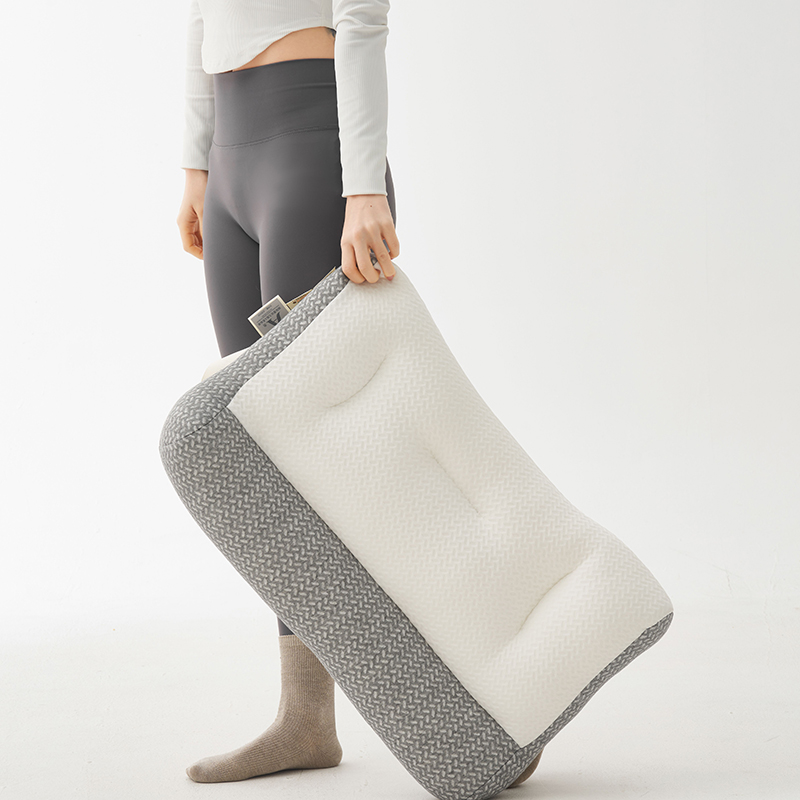
Choosing the best orthopedic pillow can significantly improve your sleep comfort, alleviate pain, and enhance spine alignment. Consider factors such as sleeping position, material, shape, firmness, size, and hypoallergenic features when selecting the pillow that best suits your needs. Orthopedic pillows are not a one-size-fits-all solution, so take time to test options and opt for products tailored to your preferences and health requirements. By investing in the right orthopedic pillow, you are making a proactive decision to support your well-being and enjoy restful, rejuvenating sleep night after night.