Updatetime:2026-07-15 09:10:34 View:
Memory foam pillows have become increasingly popular for their ability to provide superior support, comfort, and pressure relief. Whether you suffer from neck pain, are looking for a better night’s sleep, or simply want to elevate your sleep experience, choosing the best memory foam pillow can significantly impact your quality of rest. This guide will explore what to look for in a memory foam pillow, its benefits, and essential considerations to ensure you select the one that best meets your needs.
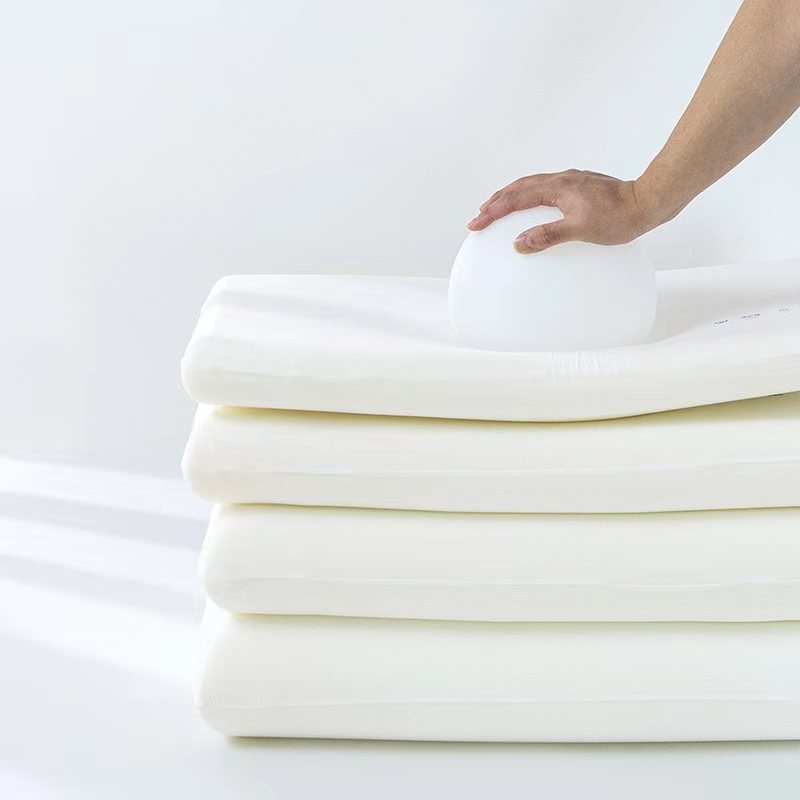
A memory foam pillow is made from viscoelastic foam, a material originally developed by NASA for cushioning astronauts during space missions. This foam is known for its ability to contour to the shape of your head and neck, providing personalized support. Unlike traditional pillows, memory foam adapts to your body’s pressure points while maintaining its shape, offering enhanced comfort and alignment.
When considering what makes a memory foam pillow stand out, it’s essential to understand its unique features:
Memory foam pillows conform to the natural curve of your head, neck, and shoulders. This adaptability offers exceptional support, reducing strain on pressure points. This feature is particularly valuable for those suffering from neck pain or stiffness.
Memory foam pillows come in varying levels of firmness. Some are soft and plush, while others are firm for better structural support. If you prefer a balanced feel, many pillows offer medium firmness options for the best of both worlds.
Advanced memory foam pillows incorporate cooling technologies, such as gel-infused foam or breathable covers, to prevent overheating. This is an essential feature if you tend to sleep hot.
High-quality memory foam pillows are built to last, maintaining their shape and resilience over time. Cheaper options may degrade more quickly, affecting comfort and support.
Many memory foam pillows are hypoallergenic, making them ideal for individuals prone to allergies as they resist the accumulation of dust mites and other allergens.
A great memory foam pillow promotes proper body alignment by supporting the natural curve of your head, neck, and spine. Poor spinal alignment can lead to discomfort and disrupted sleep, but memory foam pillows are designed to alleviate these problems.
Memory foam pillows are highly recommended for individuals suffering from neck or back pain, shoulder tension, or migraines. The material’s ability to cradle pressure points reduces strain and discomfort while you rest.
With its ability to provide lasting comfort and support, a good memory foam pillow encourages deeper, uninterrupted sleep. Restful sleep helps improve your mood, focus, and overall health throughout the day.
If you share a bed, memory foam’s motion-absorbing properties minimize disturbances caused by your partner’s movements during the night.
Many memory foam pillows are adjustable, allowing you to add or remove foam to achieve the height and firmness that suits your personal preference.
Choosing the best memory foam pillow requires careful consideration of several factors. Here’s what you need to keep in mind:
Your sleeping position plays a vital role in dictating the type of memory foam pillow that will suit you best:
The loft, or thickness, of a memory foam pillow determines how much it lifts your head while you sleep. Choose a pillow loft suited to your sleeping position and body type for optimal comfort.
Evaluate whether you prefer soft, medium, or firm support. This is highly subjective and depends on personal comfort levels.
Not all memory foam is created equal. Look for high-density, durable memory foam for long-lasting support and comfort. Features such as gel infusions or shredded foam may also enhance breathability and adjustability.
Memory foam pillows come in various shapes, including traditional, contoured, and butterfly designs. Contoured options are often favored for offering neck support by targeting specific pressure points.
If you’re prone to overheating, opt for memory foam pillows designed with cooling gel layers or breathable covers to enhance airflow and regulate temperature.
Make sure to choose a pillow with a removable, machine-washable cover for easy cleaning. Proper maintenance is crucial to extending the life of your memory foam pillow.
For allergy sufferers, make sure to select a hypoallergenic memory foam pillow designed to resist dust mites, mold, and bacteria.
Once you’ve chosen the ideal memory foam pillow, using it correctly will maximize its benefits. Here are some tips:
If your pillow is adjustable, add or remove filling until you find the perfect height and firmness for your needs.
Place the pillow under your head and neck so that your spine remains aligned with the rest of your body. Avoid positioning it solely under your head, as this can cause strain.
Use a supportive mattress and breathable bedding to enhance the comfort provided by your memory foam pillow.
Follow care instructions to ensure your pillow stays hygienic. Most memory foam pillows feature removable covers that can be machine-washed. Air the pillow out periodically to remove lingering odors.
A memory foam pillow is an excellent investment for anyone seeking superior comfort, support, and durability. Whether you struggle with pain, need better spinal alignment, or want a higher quality sleep experience, this innovative product delivers value.

The best memory foam pillow may vary depending on your sleeping position, firmness preference, and individual needs. By understanding the features, benefits, and considerations outlined in this article, you can confidently choose a pillow that enhances your sleep quality and supports your overall health. Invest in comfort today—because a good night’s sleep is priceless!