Updatetime:2026-07-13 09:48:49 View:
The concept of sleep quality has garnered increasing attention in recent years, with individuals placing greater emphasis on choosing the right bedding accessories. Among these, pillows play a critical role in achieving a good night's rest. One popular choice in recent years is the down alternative pillow. Popular for its affordability and hypoallergenic properties, this type of pillow is highly versatile and suitable for a broad audience. But what exactly is a down alternative pillow made of? In this article, we will dive deep into the materials used to craft down alternative pillows, their benefits, applications, and how to choose the right one to meet your needs.
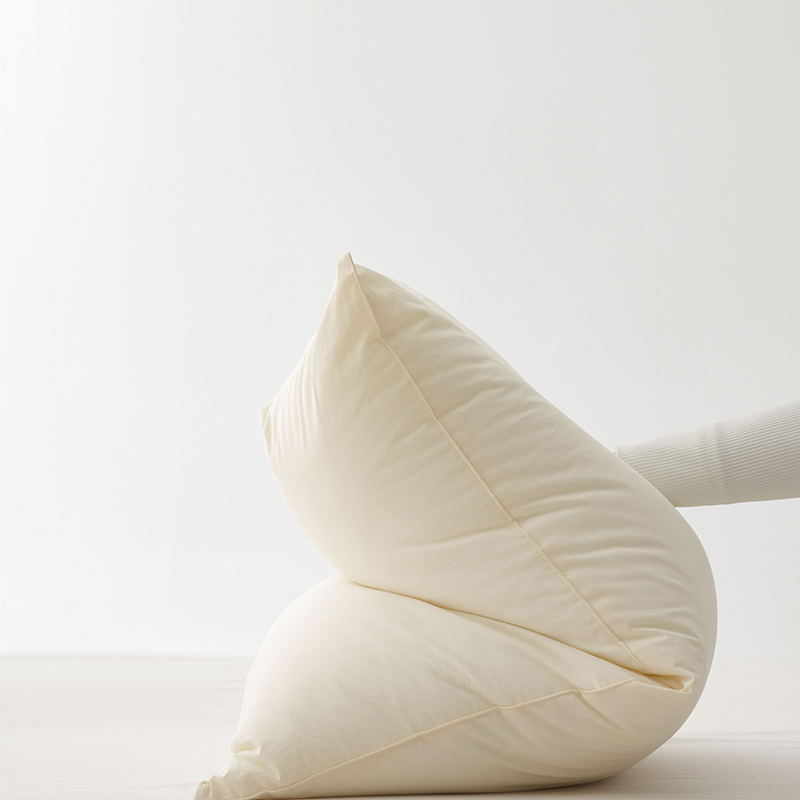
A down alternative pillow, as the name suggests, is an alternative to traditional down pillows. Down, which is the soft, fluffy material found under the feathers of ducks and geese, is often viewed as a luxurious and comfortable pillow filling. However, it comes with certain downsides, such as high cost, potential for allergies, and ethical concerns related to sourcing. Down alternative pillows were developed to address these issues. They mimic the soft, plush characteristics of natural down while offering additional benefits related to affordability, hygiene, and comfort.
Down alternative pillows differ significantly from traditional down pillows in terms of their core materials. Here are the principal components that typically make up these pillows:
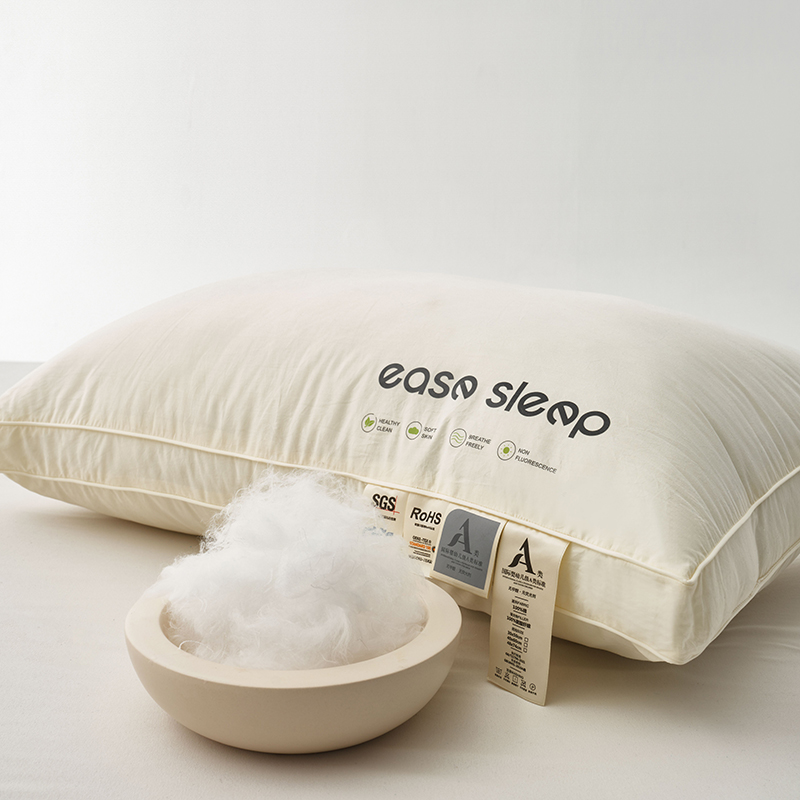
The most common material used in down alternative pillows is polyester microfiber. Polyester is a synthetic fiber that is lightweight, soft, and highly pliable. This material is finely woven into tiny strands that mimic the airy, cloud-like feel of natural down. Microfiber is particularly popular because:
Another material commonly used in down alternative pillows is gel-fiber fill. This innovative material mimics the softness and fluffiness of traditional down while offering superior cooling properties. Gel-fiber has a unique structure that helps distribute heat evenly, ensuring you stay cool and comfortable throughout the night. It is a particularly suitable choice for hot sleepers or those living in warmer climates.
Some down alternative pillows may incorporate a blend of polyester microfiber or gel-fiber with shredded memory foam. While this combination doesn't strictly classify as a traditional down alternative, it is a modern adaptation designed to provide both softness and firm support. Shredded memory foam helps ensure optimal neck and head alignment, making these pillows a good choice for individuals with chronic pain or those requiring additional support.
Bamboo fibers are occasionally blended with traditional down alternative materials to enhance the pillow's breathability and moisture-wicking abilities. These fibers are known for their eco-friendly nature, antibacterial properties, and ability to maintain cool temperatures throughout the night. While less common, bamboo-infused down alternative pillows are gaining popularity for their environmental benefits and comfort.
The outer shell or cover of down alternative pillows usually consists of materials such as cotton, microfiber, or polyester blends. The choice of cover material affects the softness, durability, and overall feel of the pillow. High-thread-count cotton or microfiber covers are often used to enhance breathability and provide a smooth surface for enhanced sleep comfort.
Now that we've explored the materials used in down alternative pillows, it's essential to understand why these pillows have become so popular. Below are some of the key benefits:
Perhaps the biggest advantage of down alternative pillows is their hypoallergenic nature. Natural down and feather pillows can trigger allergies due to the presence of dust mites and feathers. In contrast, synthetic fillings like polyester microfiber are less likely to harbor allergens, making them the preferred choice for individuals with sensitivities.
Down alternative pillows are significantly less expensive than natural down pillows. This makes them a fantastic choice for budget-conscious buyers who want the luxurious feel of a down pillow without the hefty price tag.
Cleaning natural down pillows can be challenging, as they often require professional cleaning to avoid damage. Down alternative pillows, however, are usually machine washable, allowing for easy care and maintenance. This simplicity extends their usability and ensures better hygiene.
Many individuals choose down alternative pillows due to ethical or environmental considerations. Since they do not involve animal products, these pillows are cruelty-free and often considered a more sustainable option depending on the manufacturing practices. Moreover, some brands offer eco-friendly options using recycled or responsibly sourced materials.
Down alternative pillows come in a range of firmness levels, sizes, and styles to suit various sleepers. Whether you sleep on your side, back, or stomach, you can find a down alternative pillow tailored to your needs. Additionally, their lightweight nature makes them easy to adjust and reposition during sleep.
Some down alternative materials, such as gel-infused fibers or bamboo blends, provide excellent moisture-wicking and temperature-regulating properties. These pillows are especially beneficial for individuals who tend to sweat during the night or experience discomfort due to heat retention.
With countless options in the market, selecting the right down alternative pillow can be overwhelming. Here are some practical tips to help you make an informed decision:
Your preferred sleeping position significantly affects your pillow choice:
Decide between polyester microfiber, gel-fiber, or blended options based on your preferences for softness, cooling properties, and firmness. For example, hot sleepers may prioritize gel-fiber over standard microfiber fillings.
Choose an outer cover material that complements your needs for softness, durability, and breathability. Cotton or bamboo covers are excellent for a smooth, breathable surface, while microfiber offers a wrinkle-free and budget-friendly alternative.
If the pillow contains memory foam or other synthetic materials, check for certifications that ensure the materials have been tested for safety, performance, and environmental responsibility.
If possible, test the pillow in-store or ensure that the seller has a flexible return policy. Comfort is subjective, so it's important to select a pillow that matches your desired level of support and loft.
To maximize the lifespan of your down alternative pillow, keep the following care tips in mind:
Replace your pillow every 1-2 years or sooner if it loses its structure and comfort.
Down alternative pillows are a versatile, cost-effective, and hypoallergenic bedding option that caters to a wide range of users. Made from materials like polyester microfiber, gel-fibers, and bamboo blends, these pillows replicate the softness of natural down without sacrificing comfort or ethical values. Whether you're looking to improve your sleep quality, address allergy concerns, or find an easy-to-maintain pillow, a down alternative pillow is worth considering. By understanding their materials, benefits, and care requirements, you can confidently select a pillow that suits your lifestyle and enhances your nightly rest.