Updatetime:2026-07-10 09:18:21 View:
Throw pillows are more than just a decorative element; they are a blend of style and comfort that can transform any living space. Their ability to complement furnishings, add color, and provide coziness makes them an essential home accessory. However, choosing the right throw pillow can be a daunting task, particularly when it comes to understanding their sizes. This article delves into the standard sizes of throw pillows, providing practical insights and advice to help you select the perfect fit for your home decor.
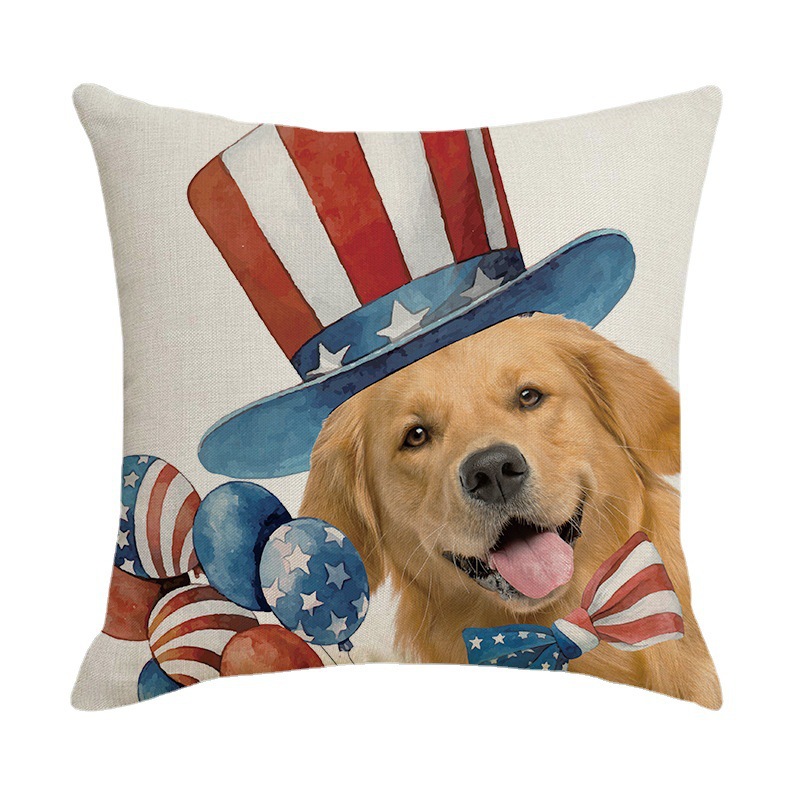
The size of a throw pillow impacts both its aesthetic appeal and functionality. A pillow that is too small might get lost among larger furniture, while an oversized pillow might look out of place in a compact setting. Understanding standard throw pillow sizes can help you create a harmonious and inviting space. The right-sized pillow not only enhances comfort but also brings balance and proportion to your décor.
The term ""standard size"" can vary depending on geographical and cultural contexts. However, there are generally accepted dimensions that are popularly used in the design and manufacturing of throw pillows. These sizes are suitable for a variety of applications, from living rooms to bedrooms, and even outdoor spaces.
Square throw pillows are the most common type, offering versatility and widespread appeal. The typical sizes include:
Also known as lumbar pillows, rectangular throw pillows add a different dimension and are primarily used for back support. Common sizes include:
Round pillows are less common but are increasingly popular for adding interest and breaking the monotony of shapes in a room. Standard sizes are:
Known for their cylindrical shape, bolster pillows are versatile and add a touch of sophistication to beds and seating areas. They typically come in these standard sizes:
The size of the throw pillow you choose should be in harmony with the furniture it’s used with. For instance, oversized pillows might overwhelm a small chair, while they can add much-needed depth and comfort to a deep-seated couch.
Mixing different sizes can create a visually appealing layer effect. Use larger pillows at the back and smaller ones at the front for depth and texture. Ensure the colors and patterns complement one another to create a cohesive look.
Decide how you plan to use the pillows functionally. If your pillows are primarily decorative, you might focus on trends and aesthetics. If comfort is your priority, ensure that the size fits well for back support or lounging.
In smaller rooms, consider minimal and standard sizes to avoid clutter. Larger spaces can accommodate proportional or oversized pillows that can make the area feel more inviting and warm.
When measuring for throw pillows, always take into account the furniture dimensions, room layout, and the desired look. Use a tape measure to determine the height and width of the area where the pillow will rest. Consider any additional elements like arms or backs that might interfere with larger pillow sizes.
The longevity of throw pillows also depends on their care. Here are some maintenance tips:
Rotate pillows frequently if they are exposed to direct sunlight to prevent fading.

Understanding the standard sizes of throw pillows is crucial for making informed decisions in home decor. By considering the various sizes available and how they interplay with your furniture, you can significantly enhance the aesthetic appeal and comfort of your living space. With this knowledge, you are better equipped to mix and match throw pillows to suit personal style preferences while catering to the functional aspects of your home. Always remember to factor in furniture size, layer thoughtfully, and measure adequately to achieve your desired look.