Updatetime:2026-07-09 09:27:58 View:
A cervical pillow, often referred to as an orthopedic pillow or neck pillow, is specifically designed to support the neck, relieve pressure, and promote proper alignment of the cervical spine. An essential item for anyone seeking to improve sleep quality and neck health, it has gained popularity among those suffering from neck pain and discomfort. This article explores the multifaceted aspects of cervical pillows, their benefits, types, usage, and the considerations one must make when purchasing them.
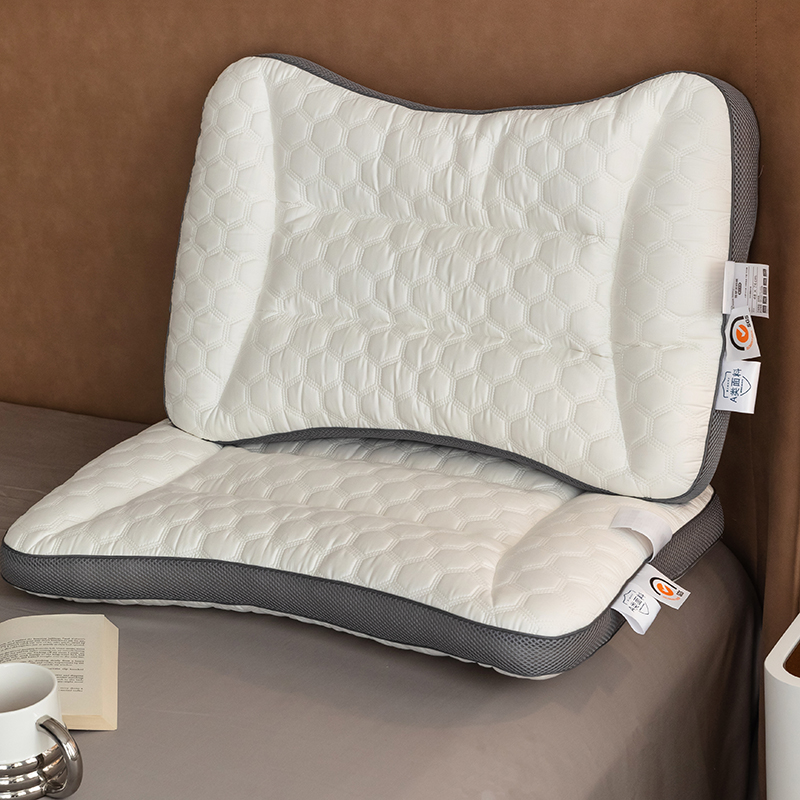
A cervical pillow is constructed with an ergonomic design that ensures the natural curvature of the neck is maintained during sleep. Whereas conventional pillows tend to flatten and offer uniform density, cervical pillows are contoured to cradle the head and neck. This contouring minimizes the strain on neck muscles, alleviating stiffness and pain.
Different materials are utilized in the construction of cervical pillows, each having unique properties:
The design configuration of cervical pillows often varies to cater to different sleeping positions:
The adoption of cervical pillows has surged due to their numerous advantages:
Proper spinal alignment is critical for overall health. Cervical pillows help maintain the natural curve of the cervical spine, ensuring that the head, neck, and spine are in optimal alignment. This prevents unnatural positions that could lead to pain or discomfort.
The contoured support offered by cervical pillows reduces strain on neck and shoulder muscles and tendons during sleep. This relief minimizes the occurrence of morning stiffness, headaches, or neck pain.
By fostering a comfortable and supportive sleeping environment, cervical pillows contribute to deeper, restorative sleep. In turn, this can improve overall mood, cognitive function, and physical health by ensuring adequate rest.
Selecting the perfect cervical pillow involves several considerations tailored to personal needs:
Different sleeping positions require different pillow designs:
Personal comfort is paramount. Those preferring softer pillows may opt for memory foam, while those needing firmer support might choose latex or buckwheat.
Individuals with allergies or sensitivities should seek hypoallergenic materials, like latex or specific treated memory foam pillows, to avoid reactions.
The price range for cervical pillows can vary significantly. Memory foam and latex tend to be pricier due to advanced materials, whereas polyester fiber options are more affordable without compromising on basic ergonomic functionality.
To extend the lifespan and preserve the integrity of a cervical pillow, proper maintenance is crucial:
To make the most of a cervical pillow and the benefits it offers, consider these practical tips:
If possible, test the pillow in-store to assess comfort and support firsthand. This can prevent any post-purchase regrets linked to discomfort or improper support.
Allow a period of adjustment when transitioning to a cervical pillow. Initial discomfort is common as your body adapts to new contours and levels of support.
For individuals with persistent neck pain or chronic health conditions, consulting a healthcare professional to choose the best pillow type is advisable. They can recommend based on your specific neck or spine needs.
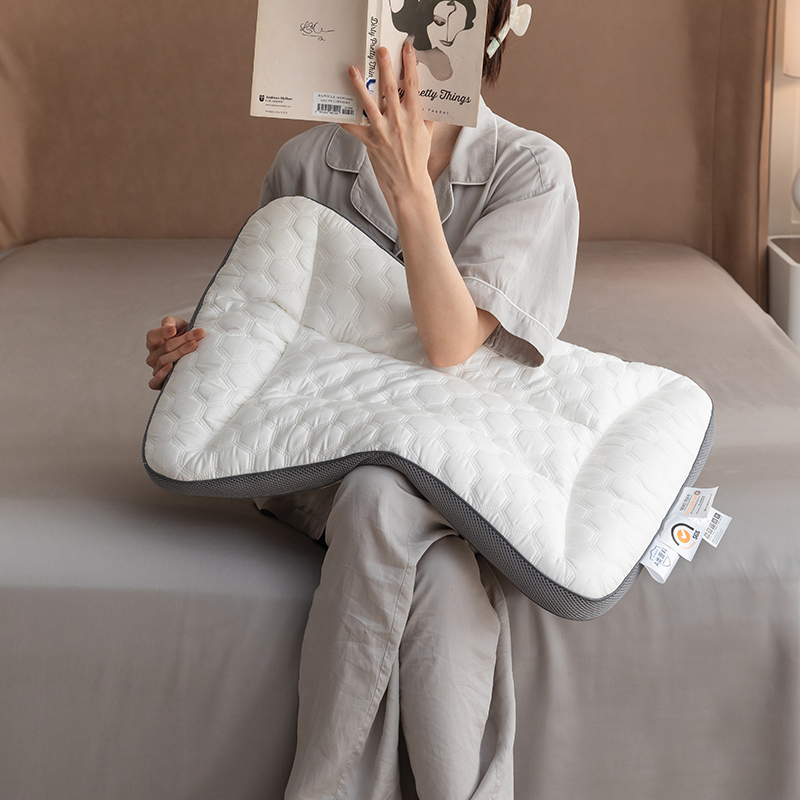
A cervical pillow is an invaluable tool for enhancing sleep quality, reducing pain, and promoting proper spinal alignment. With an array of materials and design options available, choosing the right cervical pillow involves careful consideration of personal preferences and health needs. By providing practical advice and guidance, individuals can select a pillow that offers the ideal balance of comfort and support, leading to improved overall well-being.
By investing in a quality cervical pillow and diligently following care guidelines, users can enjoy sustained benefits, potentially alleviating neck pain and enhancing sleep quality. Thoroughly exploring all dimensions—from anatomy and benefits to types and care—ensures informed decisions that align well with individual health considerations and lifestyle preferences.