Updatetime:2026-07-09 09:20:25 View:
If you've ever shopped for bed sheets, you've likely come across the term ""thread count."" It's often highlighted in product descriptions, marketing materials, and packaging, but what does it actually mean? More importantly, how significant is thread count when deciding on the comfort, quality, and longevity of your bedding? In this article, we will delve deep into the concept of thread count, dispelling myths and misconceptions. You will also learn how thread count relates to your sleep experience and how to make informed decisions when choosing bed sheets for your home or business.
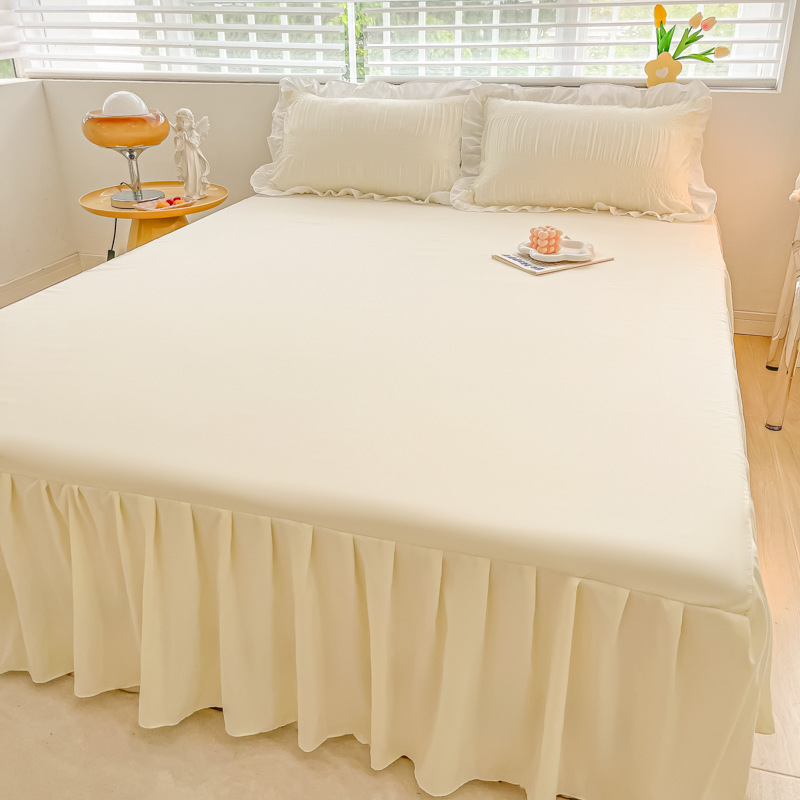
At its core, thread count refers to the number of threads woven into one square inch of fabric. To calculate thread count, manufacturers add the number of horizontal threads (known as ""weft"") and vertical threads (known as ""warp"") found in the fabric. For example, if there are 100 horizontal threads and 100 vertical threads, the total thread count would be 200.
Thread count is often seen as a measure of a sheet's quality. Higher thread counts are commonly associated with softer, smoother, and more luxurious fabrics, while lower thread counts may be seen as inferior in quality. But is thread count truly the be-all and end-all of a sheet's quality? While it is indeed a factor, there are numerous other considerations to weigh before deciding if a particular sheet set is worth investing in.
One of the reasons thread count is emphasized is its potential impact on the texture and comfort of bed sheets. Generally speaking, fabrics with a higher thread count tend to feel smoother and softer. However, there’s a limit to this principle. Once a certain thread count is reached (typically around 400-600), the differences in comfort become minimal and almost negligible.
Moreover, other factors such as the type of fiber used, weave pattern, and finishing processes can significantly influence how comfortable a sheet feels. For example, a 300-thread-count Egyptian cotton sheet may feel far superior to a 1,000-thread-count sheet made with lower-quality polyester blends.
Durability is another dimension influenced by thread count. Sheets with a higher thread count often have tightly woven threads that minimize the chances of wear and tear. However, it is crucial to ensure that the threads themselves are of good quality. Poor-quality high-thread-count sheets may wear out faster than mid-thread-count sheets made from premium fibers.
One critical area where thread count plays a nuanced role is breathability, which directly impacts how cool or warm you feel at night. Sheets with too high a thread count may trap heat since the tightly woven fabric reduces airflow. On the other hand, mid-range thread counts (between 300 and 500) often strike the ideal balance of breathability and comfort, ensuring you sleep well without becoming overheated.
While a higher thread count is often marketed as superior, it is not always the ultimate determinant of sheet quality. Here are some common misconceptions about thread count worth addressing:
Many believe that a sky-high thread count automatically guarantees supreme quality. However, manufacturers sometimes inflate thread counts by twisting multiple strands of fiber together and counting them as individual threads. This technique artificially raises the thread count while failing to improve the sheet’s actual quality or comfort.
In general, a thread count between 200 and 800 is considered realistic for quality bedding. Numbers exceeding 1,000 often indicate marketing gimmicks or inferior construction.
A sheet’s fiber quality is more important than the thread count. Premium fibers such as Egyptian cotton, Pima cotton, or bamboo-derived materials often feel superior at lower thread counts compared to sheets made from inferior materials with artificially high thread counts. Always prioritize fibers over numbers for a better sleeping experience.
The weave pattern used in creating the sheets also impacts their quality and feel. Common weaves include percale (a crisp, breathable weave) and sateen (a silky, smooth weave). For example, a 300-thread-count percale sheet may feel much more luxurious than an 800-thread-count sateen sheet if one is made with superior fibers.
Knowing that thread count isn’t the sole indicator of sheet quality, here are some actionable tips to help you choose the best sheets for your needs:
The material of the sheet plays a significant role in its comfort, durability, and breathability. Some popular options include:
Aim for a thread count in the range of 200-600 for most uses. While higher thread counts can improve comfort, avoid extreme numbers. Instead, focus on the material’s quality and weave for superior results.
Your local climate and personal sleeping habits should influence your sheet selection. Hot sleepers may prefer lightweight percale sheets with a thread count of around 300, while those who live in cooler climates might enjoy the coziness of sateen sheets with a slightly higher thread count.
Choosing between percale and sateen weaves can dramatically affect how the sheet feels. Percale weaves are more breathable and better suited for warm climates, while sateen weaves offer a heavier, warmer, and more luxurious feel.
Look for certifications such as OEKO-TEX, which indicates that sheets have been tested to ensure they are free from harmful chemicals. This is particularly important for customers seeking hypoallergenic or eco-friendly options.
Some sheets undergo chemical treatments to make them wrinkle-free or feel softer. While these finishes may initially seem appealing, they can wear off over time. Additionally, some synthetic finishes may contain chemicals that irritate sensitive skin. Always read care labels to understand how to maintain your sheets over time for maximum longevity.
In foreign trade and independent sales, understanding the nuances of quality is critical when offering bedding to global consumers. Thread count remains an important marketing factor, but it is only one part of the equation. By educating consumers with accurate, unbiased insights, companies and suppliers can build trust while promoting thoughtful buying decisions.
Ultimately, the goal should be to provide a holistic perspective on what makes a quality sheet, including factors like material, weave, craftsmanship, and proper care. Customers will appreciate honest recommendations over flashy marketing claims, leading to greater satisfaction and brand loyalty.
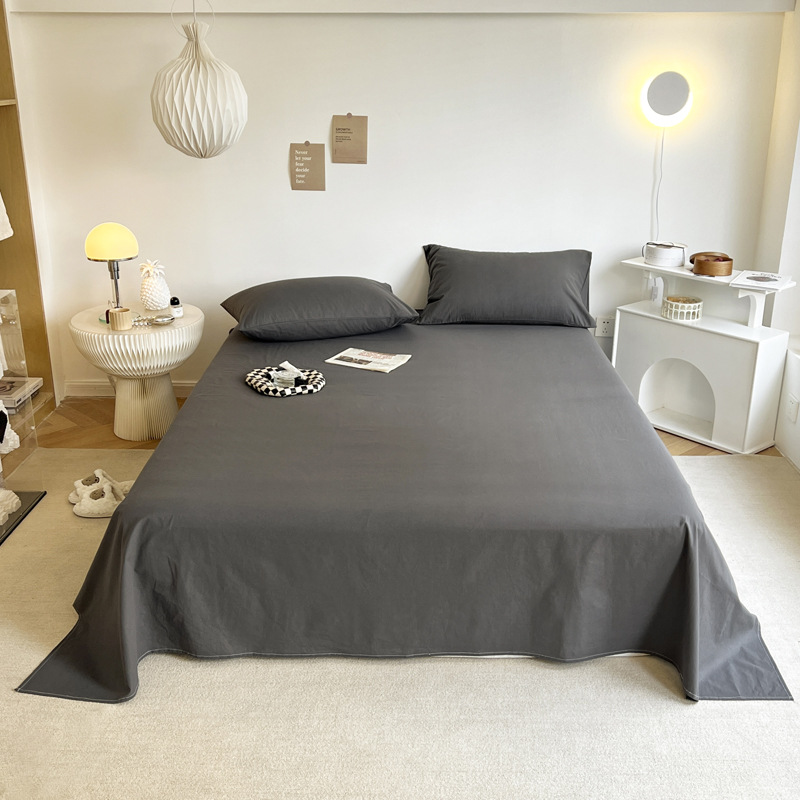
Thread count, while often discussed, is just one aspect of bed sheet quality. To truly enjoy a comfortable and luxurious sleep experience, consider factors such as material, weave, and fiber quality alongside thread count. Whether you’re shopping for personal use or for business, understanding these variables will empower you to make better decisions that suit both your needs and preferences.
Next time you come across a sheet set boasting a high thread count, remember to look beyond the numbers. Instead, evaluate the fabric and craftsmanship to ensure you’re purchasing a product that offers lasting value and undeniable comfort.