Updatetime:2026-07-03 16:50:09 View:
Sleep, a fundamental component of human health and well-being, requires optimal conditions to ensure quality rest. Among those conditions, the support and comfort of our sleeping environment play crucial roles, particularly when considering the impact of pillows. One increasingly popular choice is the orthopedic pillow, designed to provide improved support and alignment. But is an orthopedic pillow good for you? This article will explore the nuances of the orthopedic pillow, addressing its benefits, drawbacks, and factors to consider before making a purchase.
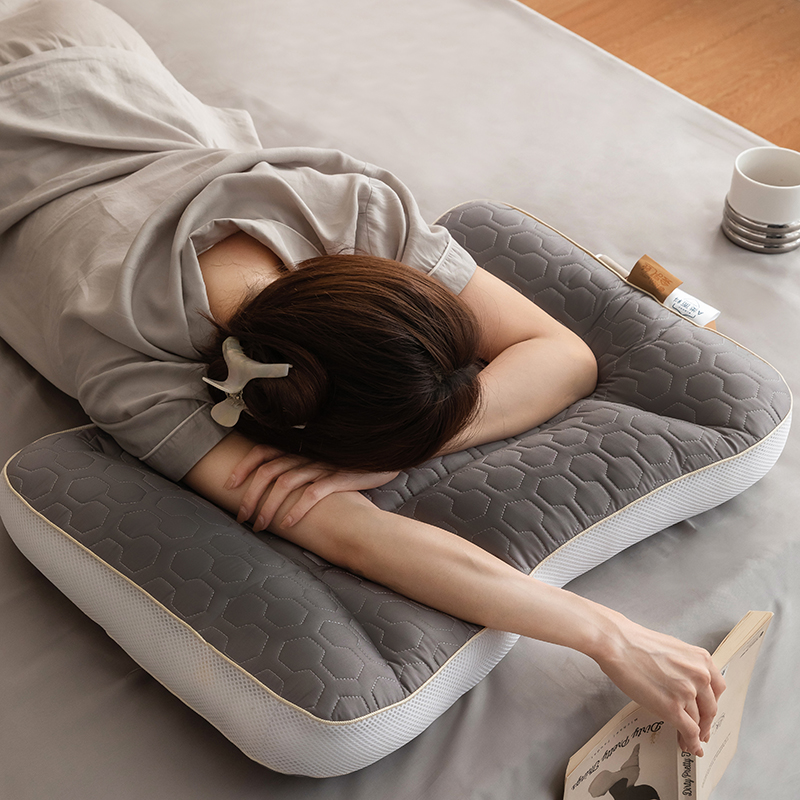
To understand whether an orthopedic pillow is beneficial, it's important first to define what it is. Orthopedic pillows are designed specifically to support the anatomical structure of the neck, back, and shoulders during sleep. These pillows come in various shapes and sizes, each tailored to address specific issues, such as neck pain, snoring, or sleep apnea. Typically made from materials like memory foam, latex, or gel-infused foam, orthopedic pillows prioritize support, firmness, and alignment.
Given their design, orthopedic pillows offer several advantages:
Orthopedic pillows are structured to support anatomical curves, maintaining proper alignment of the head, neck, and spine. This alignment prevents strain and reduces discomfort that might occur from sleeping in unnatural positions.
Studies suggest that using an orthopedic pillow can alleviate pain related to conditions like cervical spondylosis, chronic neck pain, or headaches brought on by poor posture during sleep. Patients often report marked improvement in their pain symptoms after transitioning to an orthopedic pillow.
With better alignment and reduced pain, users often experience better sleep quality. Falling asleep faster and experiencing fewer disturbances throughout the night are common outcomes, leading to a more refreshed feeling upon waking.
Unlike traditional pillows, orthopedic options often boast longer lifespans due to the high-quality materials from which they are constructed. Memory foam and latex tend not to flatten quickly, maintaining their supportive properties over extensive use.
While orthopedic pillows offer many benefits, they are not without potential downsides:
Orthopedic pillows can be significantly more expensive than traditional pillows. The upfront cost may be daunting for some; however, the investment often pays off in the form of improved sleep and longevity.
Switching to an orthopedic pillow might require an adjustment period. Some users experience temporary discomfort as their bodies adapt to a new sleeping posture. However, this period is generally short-lived and rewards the user with long-term benefits.
Orthopedic pillows come in a variety of shapes and sizes, meaning not every pillow suits every individual. Personal preference regarding materials, firmness, and shape must be considered, potentially making it challenging to find the perfect pillow.
Finding the right orthopedic pillow requires consideration of several factors:
Memory foam molds to the shape of your body, offering customized support, while latex provides resilient bounce with less give. Some pillows incorporate gel-infused materials for cooler sleep. Preference for firmness, heat retention, and resilience, along with any allergies, should guide your choice.
Your preferred sleeping position is crucial. Side sleepers benefit from thicker, contoured pillows that support neck and shoulder alignment, while back sleepers might prefer a thinner pillow with cervical support. Stomach sleepers face challenges with orthopedic pillows due to their thickness and support structure, often needing specialized designs.
Size and contour can greatly impact effectiveness. Understanding the dimensions of your mattress and your own body size can guide the choice towards the optimal pillow size. Additionally, pillows with contoured edges provide enhanced support depending on the user's needs.
Consider pillows that offer removable, washable covers, or pillows made from antimicrobial materials, ensuring a clean and hygienic environment for sleep. Maintenance plays a vital role in the longevity and performance of orthopedic pillows.
Having chosen the right pillow, maximize its benefits with these strategies:
If new to orthopedic pillows, allow your body some nights to adjust to the change. Assess the comfort and support over a week or more before making final judgments.
Pair your orthopedic pillow with a supportive mattress for best results. Compelling alignment starts with comprehensive bedding solutions that support your entire body.
For those with specific sleep disorders, consulting with a sleep specialist or physical therapist can offer tailored advice on pillow type, sleeping posture, and lifestyle changes to enhance sleep health.
Orthopedic pillows can accumulate dust mites and allergens over time. Regular cleaning is necessary to maintain both hygiene and the supportive features of the pillow.
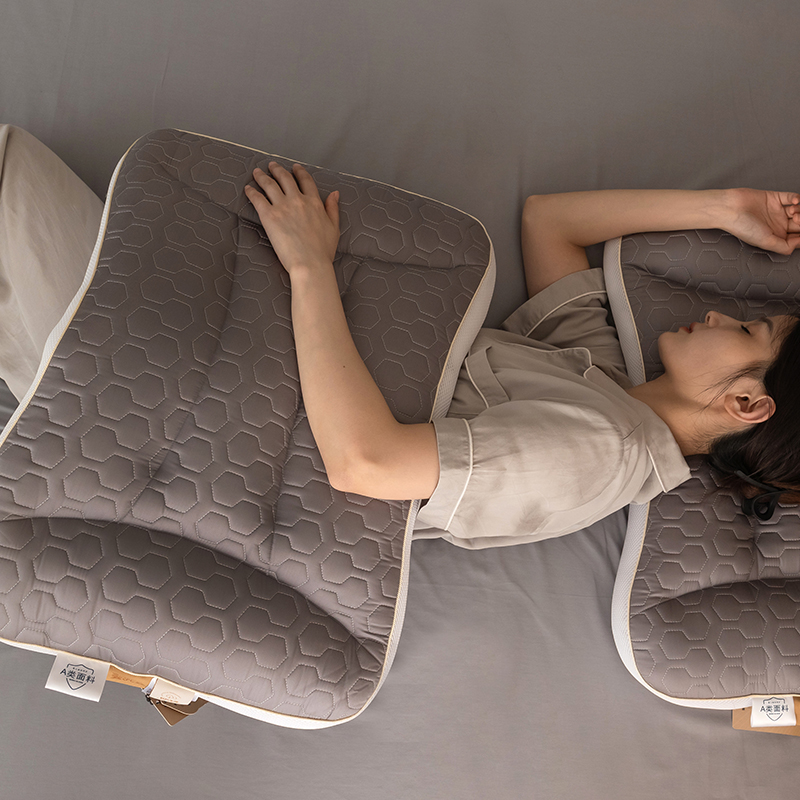
Orthopedic pillows are a potent tool in the pursuit of better sleep and pain relief. While the initial investment might seem steep, the benefits of improved alignment, pain reduction, and sleep quality speak volumes. However, choosing the right orthopedic pillow requires careful consideration of personal sleep habits, material preferences, and potential drawbacks. When selected thoughtfully and paired with appropriate sleeping practices, an orthopedic pillow can transform how we sleep, ultimately enhancing our overall quality of life.