Updatetime:2026-07-03 16:29:39 View:
Neck pain is a common concern that affects millions of people worldwide, regardless of age or occupation. Whether your neck discomfort stems from poor sleeping posture, stress, or physical strain, finding the right support during sleep can significantly impact your recovery and overall daily comfort. One solution gaining popularity in recent years is the memory foam pillow, often touted as an ideal choice for alleviating neck pain. But is a memory foam pillow truly good for neck pain? Let’s explore its benefits, functionality, and how it compares to alternative solutions.
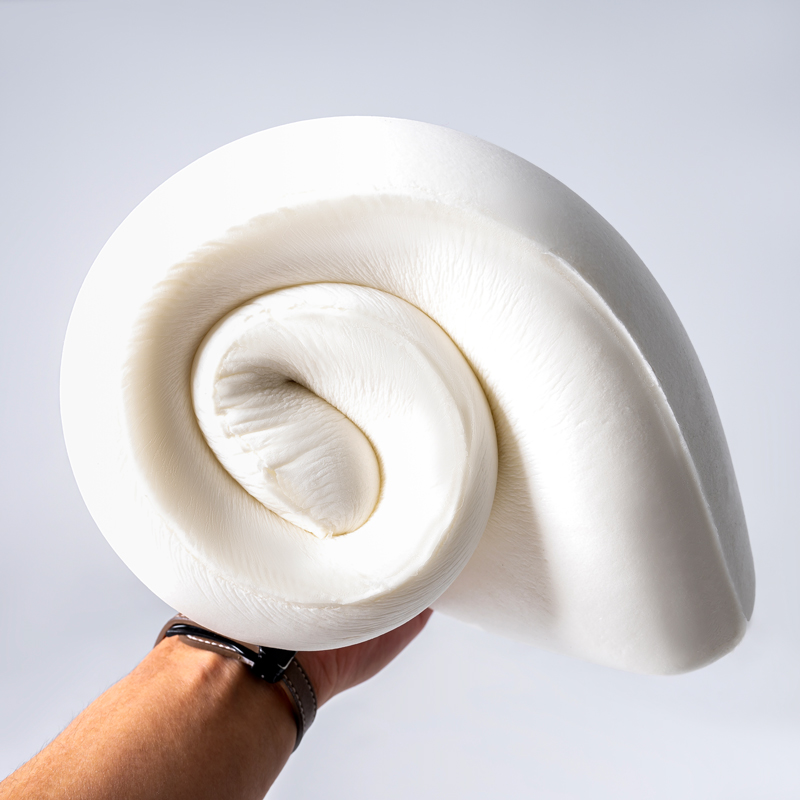
Memory foam, also known as viscoelastic foam, was originally developed by NASA in the 1960s for aircraft cushioning. Over time, it has become widely used in mattresses, pillows, and other sleep-related products due to its unique ability to conform to the shape of the body. This material responds to heat and pressure, molding to your contours and evenly distributing weight to reduce localized pressure points. In the context of neck pain, a memory foam pillow adapts to the curvature of the neck and head, offering a customized fit that supports proper spinal alignment.
Let’s dive into the specific advantages of using a memory foam pillow to address neck pain:
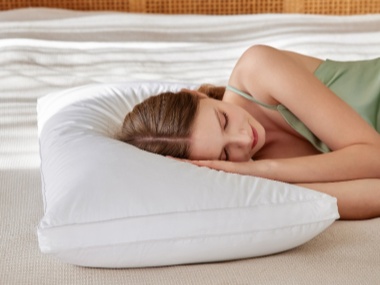
One of the leading causes of neck pain is poor spinal alignment during sleep. Traditional pillows may not always offer adequate support, causing your neck to tilt at awkward angles. In contrast, memory foam pillows are designed to cradle your neck and head, helping to maintain natural alignment. This minimizes strain on your cervical spine and allows muscles in the neck to relax fully.
The adaptive nature of memory foam makes it a versatile solution for various sleeping positions. Whether you are a side sleeper, back sleeper, or stomach sleeper, a memory foam pillow conforms to your unique positioning. Side sleepers can benefit from added support around the neck and shoulders, while back sleepers enjoy an even cushion along the cervical curve. For stomach sleepers, certain memory foam designs offer evenly distributed support to prevent neck strain.
Memory foam pillows are excellent at relieving pressure points because they distribute weight evenly. This reduces stress on the neck and shoulders, which often bear tension during sleep. Individuals with chronic pain disorders or inflammation find memory foam particularly soothing for its ability to minimize pressure points and discomfort.
Unlike traditional pillows that may sag or lose shape over time, memory foam pillows are known for their resilience. They retain their form and supportive qualities for a longer duration, making them a cost-effective investment in spinal health and overall comfort.
Many memory foam pillows are crafted with hypoallergenic materials, making them ideal for individuals prone to allergies or sensitivities. These pillows resist the accumulation of dust mites, mold, and allergens, providing a cleaner and safer sleep environment.
While some memory foam pillows may initially retain heat, modern advancements have tackled this issue by incorporating cooling gels, breathable covers, or open-cell designs. These elements allow for improved temperature regulation, ensuring you sleep comfortably even in warmer climates.
Not all memory foam pillows are created alike, and selecting the right one can make a significant difference in managing neck pain. Consider the following factors when shopping for a memory foam pillow:
Memory foam pillows are available in various shapes, including traditional rectangular designs, contoured orthopedic shapes, and cervical pillows. Contoured pillows typically feature ergonomic curves specifically designed to cradle the head and support the neck. These are ideal for individuals with chronic neck pain or injuries.
The firmness of a pillow determines the level of comfort and support. Some people prefer softer pillows for a plush feeling, while others may need medium to firm support for better neck alignment. It's essential to test different firmness levels to find one that works for your preferences and needs.
The thickness or loft of a pillow is crucial for ensuring proper spinal alignment. For side sleepers, a thicker pillow may be more beneficial to fill the gap between the neck and shoulder. Back sleepers usually need a medium-loft pillow, while stomach sleepers typically fare better with a thinner option to prevent excessive neck strain.
Temperature control is a common concern with memory foam material, as it tends to retain heat. Look for pillows with cooling features like ventilation holes, gel infusions, or moisture-wicking covers to ensure a cool and comfortable night's sleep.
Pillows come in various sizes, such as standard, queen, and king. Choose a pillow size that fits your sleeping preferences and bed dimensions. Additionally, make sure the pillow adequately accommodates the length and width of your neck and shoulders.
When purchasing a memory foam pillow, look for certifications like CertiPUR-US, which indicates that the foam is free of harmful chemicals, toxins, and substances. This ensures your pillow is safe for extended use.
While memory foam pillows offer numerous benefits, it’s important to acknowledge that they may not be suitable for everyone. Here are some potential downsides:
To maximize the effectiveness of your memory foam pillow, consider the following tips:
Ensure the pillow supports your neck’s natural curve and fills any gaps between your head and shoulders while you sleep. Follow the manufacturer's recommendations for optimal placement and usage.
Although memory foam is durable, it can eventually lose its shape. Replace your pillow every 2-3 years to maintain adequate support and hygiene.
Use a removable and washable pillowcase to keep your memory foam pillow clean. For care and maintenance, check the manufacturer's instructions for cleaning and airing the pillow regularly to prolong its lifespan.
If possible, test the pillow before buying to determine the firmness, shape, and size that works best for your personal comfort and neck support needs.
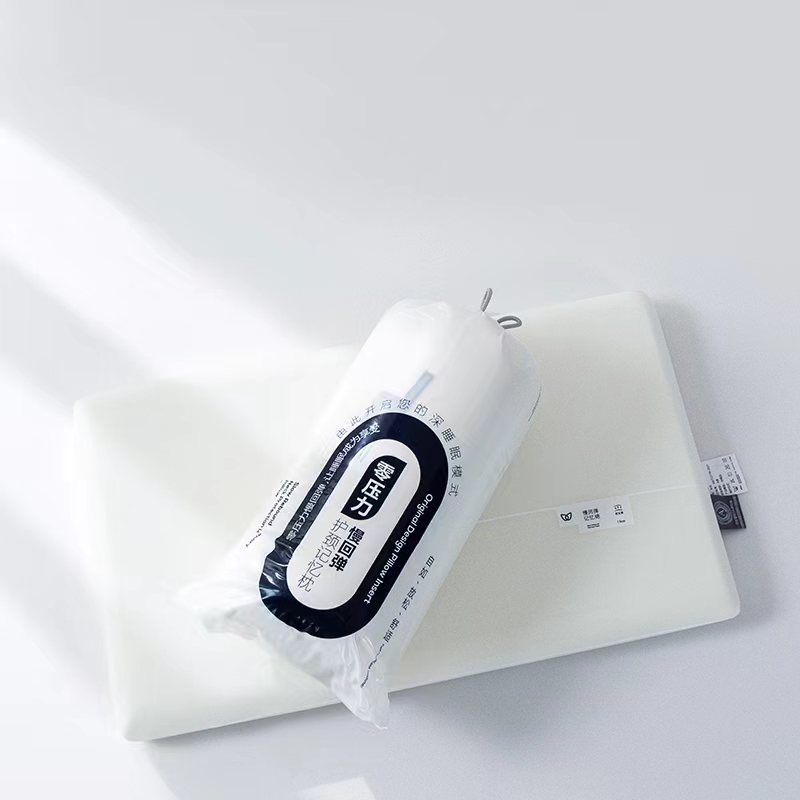
Is a memory foam pillow good for neck pain? In most cases, the answer is yes. Memory foam pillows are specifically designed to adapt to the natural contours of your head and neck, providing targeted support and pressure relief. They promote proper spinal alignment, improve sleep quality, and may help reduce neck pain associated with poor posture or chronic conditions.
However, it’s essential to select the right pillow based on your specific needs, sleep position, and comfort preferences. By considering factors such as pillow shape, firmness, loft, cooling features, and certification, you can find the perfect memory foam pillow for your needs. Additionally, using the pillow correctly and maintaining proper care will help you reap the maximum benefits.
While memory foam pillows can be a game-changer for many, keep in mind that they are not a universal solution. If your neck pain persists or worsens, it’s important to consult a healthcare professional for further evaluation and tailored treatment options. Ultimately, the right pillow, in combination with good sleeping habits and proper posture, can help you alleviate neck pain and improve your overall sleep quality.