Updatetime:2026-07-01 09:27:30 View:
Microfiber pillow covers are increasingly popular due to their lightweight texture, durability, and ability to repel dust. However, regular cleaning is essential to maintain their quality and hygiene. If you've ever wondered how to properly wash microfiber pillow covers without damaging them, this guide is here to help. Below, we'll cover every dimension of cleaning and maintaining microfiber pillow covers, ensuring they stay fresh and long-lasting.
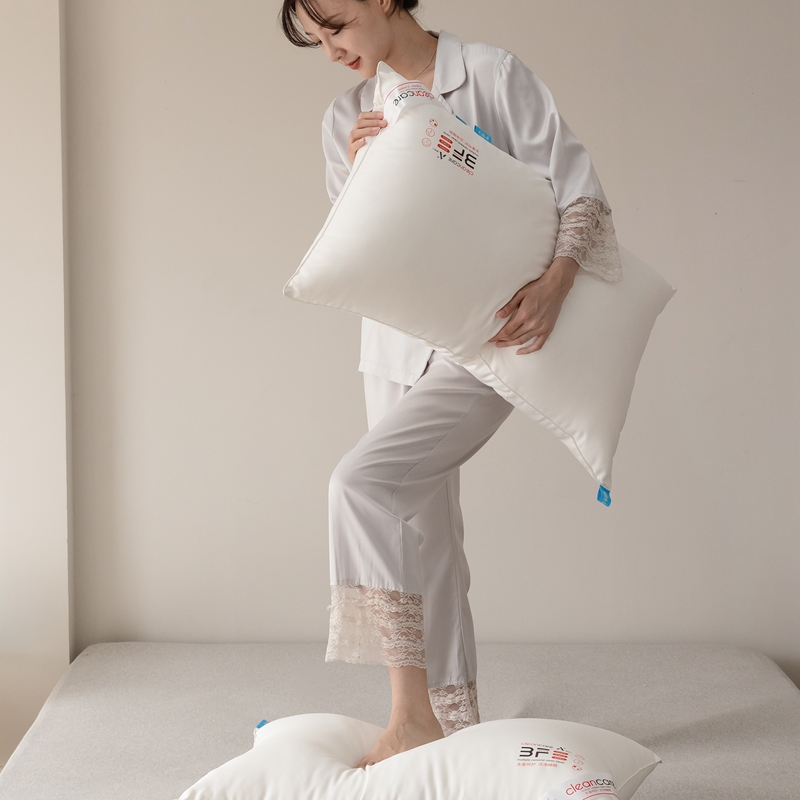
Microfiber pillow covers are made from densely woven synthetic fibers, making them highly effective at resisting stains, allergens, and dust mites. However, their unique fabric structure requires special care during cleaning. Proper washing is not just about hygiene—it also preserves the texture, color, and longevity of the covers, keeping them in pristine condition over time.
Ignoring proper cleaning methods can weaken the fibers, cause pilling, or reduce the fabric's ability to repel moisture and allergens. Investing a little time in caring for your microfiber covers results in healthier bedding and better sleep quality.
Before proceeding, examine the care label attached to your microfiber pillow covers. Manufacturers often provide specific instructions regarding washing temperature, detergent compatibility, and other important guidelines. These instructions should always be followed to prevent unintended damage.
Before washing, hold the pillow cover outdoors or over a trash bin and give it a firm shake. This ensures loose dirt, dust, hair, or debris is removed before introducing it into the washing machine or soaking process.
If there are visible stains, treat them before washing. Microfiber tends to hold onto oils and liquids more tightly than cotton or linen, but targeting stains with a pre-treatment will make them easier to remove. Use a mild stain remover or create a mixture of baking soda and water as a natural alternative.
Microfiber is durable, meaning most pillow covers can be safely cleaned in a washing machine. Here’s a step-by-step guide:
Avoid using harsh laundry detergents or bleach, as these can weaken the fibers and cause discoloration. Opt for a mild, fragrance-free detergent to avoid residue buildup and preserve the material. Liquid detergents are preferred because powdered ones may leave granules trapped in the fabric weave.
Use the gentle or delicate cycle setting on your washing machine to prevent over-agitation, which can cause pilling. Wash the pillow covers in cold or lukewarm water, as high temperatures may damage microfiber fibers over time.
Do not overload the machine, as this can reduce the effectiveness of cleaning and risk fraying the pillow covers. Wash microfiber pillow covers separately or with similar lightweight items, but never with heavy fabrics like denim or dense towels.
Fabric softeners tend to clog microfiber threads, reducing their ability to absorb moisture and repel dust. If you want your covers to remain breathable and efficient, leave fabric softeners out of the washing equation.
Hand washing may be preferable for delicate microfiber pillow covers or those with embellishments such as embroidery or trims. Here’s how to do it:
Fill a basin or sink with cold to lukewarm water and add a small amount of mild detergent. Stir gently to dissolve the detergent and create a uniform cleaning solution.
Place the microfiber pillow covers in the water and gently swish them around to loosen dirt. Use your hands or a soft brush for spot cleaning, focusing on stained areas. Be cautious not to rub vigorously, as this could damage the fabric.
Remove the pillow covers from the solution and rinse them under running water until all soap residue is gone. Residual detergent can stiffen microfiber fabrics, making thorough rinsing essential.
Microfiber is sensitive to stretching and distortion. Rather than wringing out excess water, gently press the pillow covers between two clean towels to absorb moisture.
Air drying is the safest method for preserving microfiber's structure and integrity. Lay the covers flat on a clean towel or hang them in a well-ventilated area away from direct sunlight to prevent fading.
If you use a dryer, select the lowest heat and gentle tumble setting. High heat can melt or damage microfiber threads, so exercise caution to avoid ruining the fabric.
Microfiber fabrics seldom wrinkle, reducing the need for ironing. If wrinkles persist, use a handheld steamer on a low setting, but avoid applying direct heat, as this can melt or warp the fibers.
To maintain cleanliness and freshness, wash microfiber pillow covers at least once every two weeks, or more frequently if used daily. Regular cleaning prevents oils and dirt buildup, which can degrade the fabric over time.
If you own pets, their fur can become trapped in the microfiber weave. Use a lint roller or a soft-bristled brush to remove pet fur before washing.
When not in use, store microfiber pillow covers in a clean, dry space. Avoid exposure to excessive heat, humidity, or direct sunlight, as these conditions may compromise the fabric’s durability and color.
As microfiber materials are made from synthetic fibers, they can release microplastics into wastewater streams during washing. To minimize environmental impact:
Even with the best intentions, improper handling can shorten the lifespan of your microfiber pillow covers. Here are mistakes to avoid:
Drying under direct sunlight for extended periods.
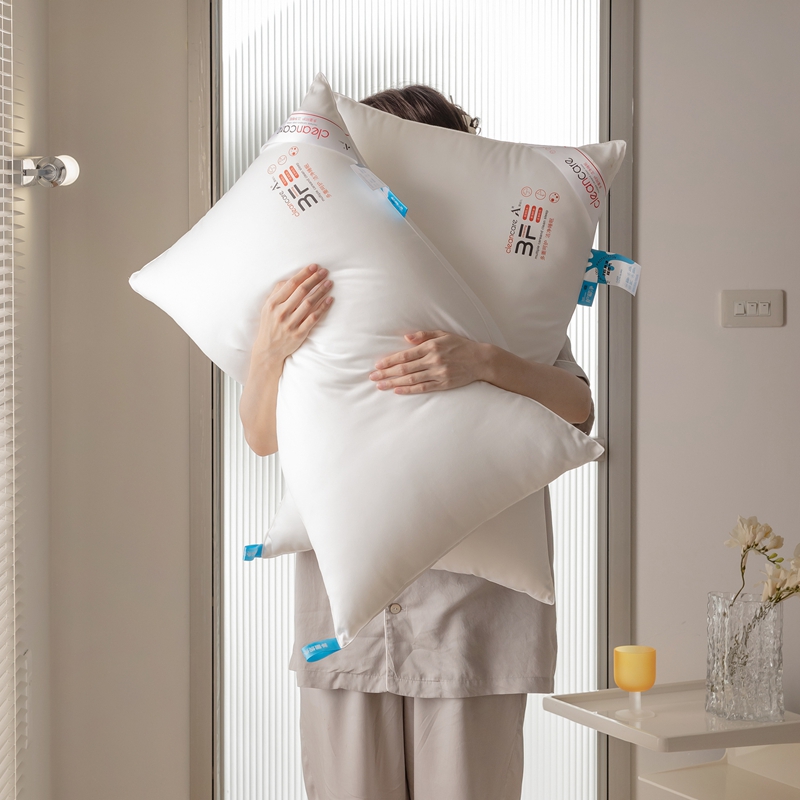
Proper care and maintenance of microfiber pillow covers are essential for extending their lifespan, maintaining their texture, and ensuring hygiene. Whether you choose to machine wash or hand wash, ensure to follow the detailed steps provided to prevent damage and discoloration. By adopting eco-friendly practices and avoiding common mistakes, you not only care for your pillow covers but also contribute positively to the environment. With these tips, you can enjoy the benefits of clean, fresh, and durable microfiber pillow covers that enhance your sleep quality and overall well-being for years to come.