Updatetime:2026-06-30 09:21:03 View:
Memory foam pillows are prized for their comfort, support, and durability. However, like any other bedding element, they require proper care to maintain their quality and extend their lifespan. Washing memory foam pillows is not as straightforward as washing standard pillows, and doing it incorrectly may damage their structure. In this comprehensive guide, we'll explore how to clean memory foam pillows safely and effectively, ensuring they remain fresh, hygienic, and in excellent condition.
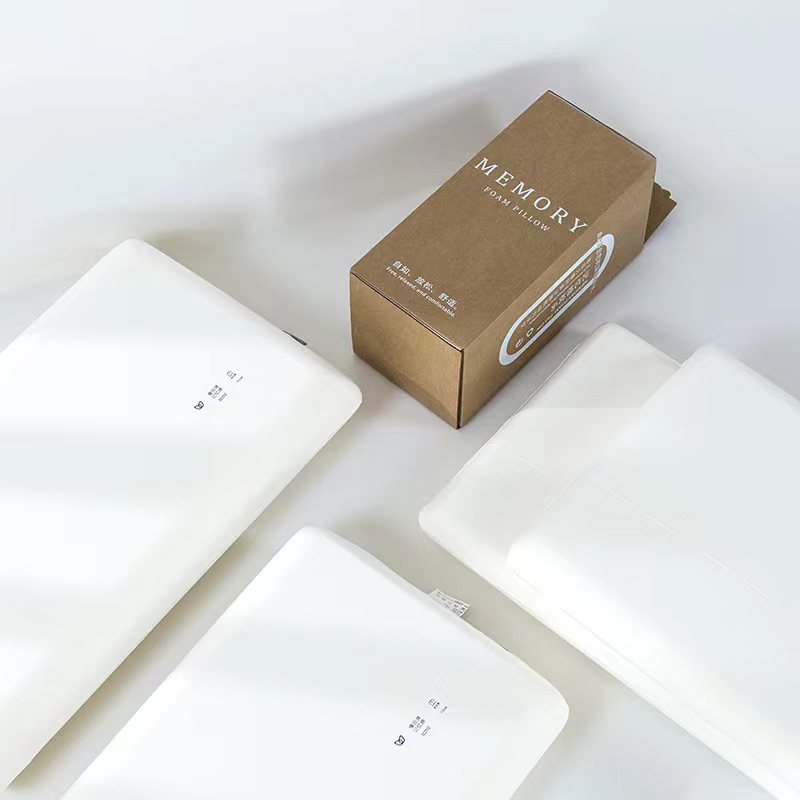
Over time, memory foam pillows accumulate dirt, sweat, oils, dead skin cells, and allergens. Leaving them uncleaned can result in unpleasant odors, discoloration, and even the growth of mold or mildew. Regular maintenance not only preserves the pillow's appearance but also ensures a healthier sleep environment. Proper cleaning also helps maintain the foam's integrity, allowing it to provide the optimal support it was designed for.
Before diving into cleaning methods, it's essential to understand the nature of memory foam. Memory foam is a dense material designed to conform to the shape of your head and neck, providing excellent support and pressure relief. While incredibly durable, it is highly absorbent and prone to damage when exposed to excessive water or harsh chemicals. Therefore, gentle cleaning techniques are required to avoid harming the foam or reducing its lifespan.
Memory foam pillows come in two primary types: solid memory foam and shredded memory foam. Solid memory foam pillows feature a single, uniform piece of foam, while shredded memory foam pillows contain small pieces of foam encased in a fabric cover. The cleaning process may vary slightly depending on the type, so it's important to identify the pillow type before proceeding.
Memory foam pillows often come with care labels or instructions from the manufacturer. Always start by reading these guidelines, as they may include specific recommendations or restrictions tailored to the unique design and materials of your pillow. Following the manufacturer’s instructions ensures that your cleaning process is safe and effective.
Most memory foam pillows have removable covers made of cotton, polyester, or other washable fabrics. Carefully remove the cover and wash it separately according to the care label instructions. Covers are typically machine-washable, but be sure to use a gentle laundry detergent and avoid bleach or harsh cleaning agents. Air-drying is usually recommended for pillow covers to prevent shrinkage.
If the memory foam pillow has minor stains or spills, spot cleaning is often sufficient. Here’s how to do it:
If your memory foam pillow is deeply soiled or has absorbed unpleasant odors, a full cleaning may be necessary. However, memory foam cannot be machine-washed or submerged in water, as this can lead to tearing or a loss of structural integrity. Instead, follow these steps:
Prepare the Cleaning Solution:
Hand Wash the Pillow:
Rinse Thoroughly:
Dry the Pillow:
A handheld vacuum cleaner can be used to remove dust, pet hair, and other debris from the surface of memory foam pillows. Vacuuming is a quick and effective way to keep your pillows fresh between deep cleanings.
Invest in a high-quality pillow protector to minimize dirt and stains from penetrating the foam. Protectors are easy to wash and provide an added layer of defense against allergens and spills.
Rotating and flipping your memory foam pillow helps distribute wear evenly and prolongs its lifespan. Doing this every few weeks ensures its structure remains intact and supportive.
Memory foam pillows should never be placed in a washing machine. The agitators in machines can tear or distort the foam’s structure, rendering the pillow unusable.
Avoid using bleach, stain removers, or other harsh chemicals, as they can weaken the foam and cause discoloration.
Memory foam is highly absorbent, and residual moisture can lead to mold or mildew growth. Always ensure the pillow is completely dry before use or storage.
Even with proper care, memory foam pillows have a limited lifespan. Over time, they may lose their ability to return to their original shape or develop permanent odors or stains. If your memory foam pillow feels less supportive, has significant damage, or emits an unpleasant smell despite cleaning, consider replacing it to ensure optimal comfort and hygiene.
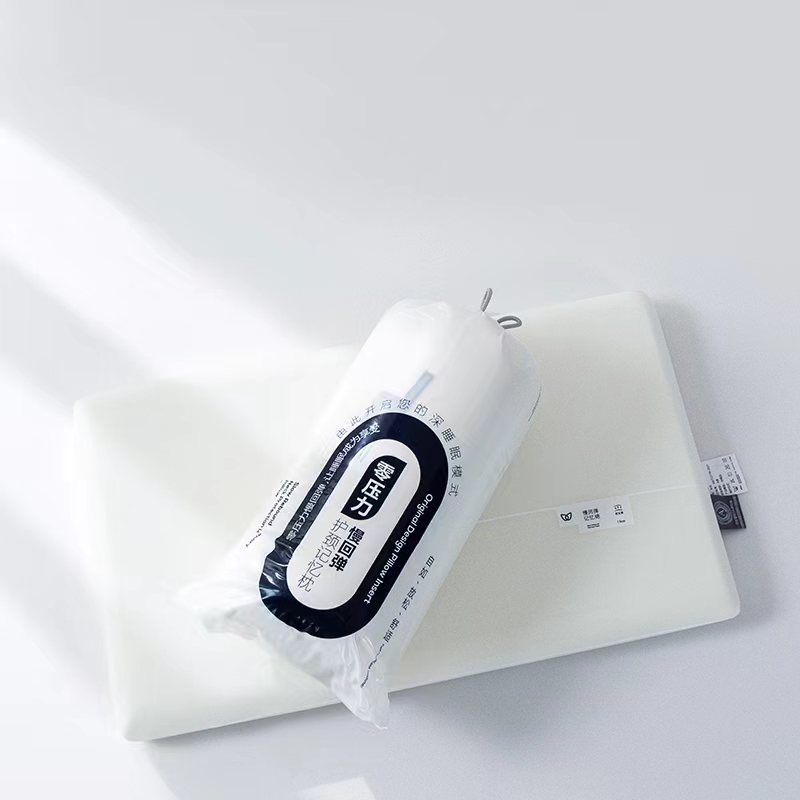
Memory foam pillows are an investment in quality sleep, and proper cleaning and maintenance are key to preserving their performance and longevity. By following the steps outlined above, you can keep your memory foam pillows fresh, clean, and supportive for years to come. Regular care, combined with preventive measures like using protectors and vacuuming, can make all the difference in maintaining hygienic and comfortable bedding. Take the time to care for your memory foam pillows and enjoy a restful, healthy sleep every night!