Updatetime:2026-06-30 09:17:22 View:
Latex pillows are widely recognized for their superior support, durability, and comfort. Made from natural or synthetic latex, these pillows are highly resilient, hypoallergenic, and resistant to dust mites and bacteria. While latex pillows are low-maintenance compared to other pillow types, periodic cleaning is essential to maintain their performance and hygiene. Improper washing methods can degrade the delicate latex material, so knowing the right approach is crucial. This guide will walk you through the process of properly washing latex pillows and preserving their lifespan, comfort, and cleanliness.
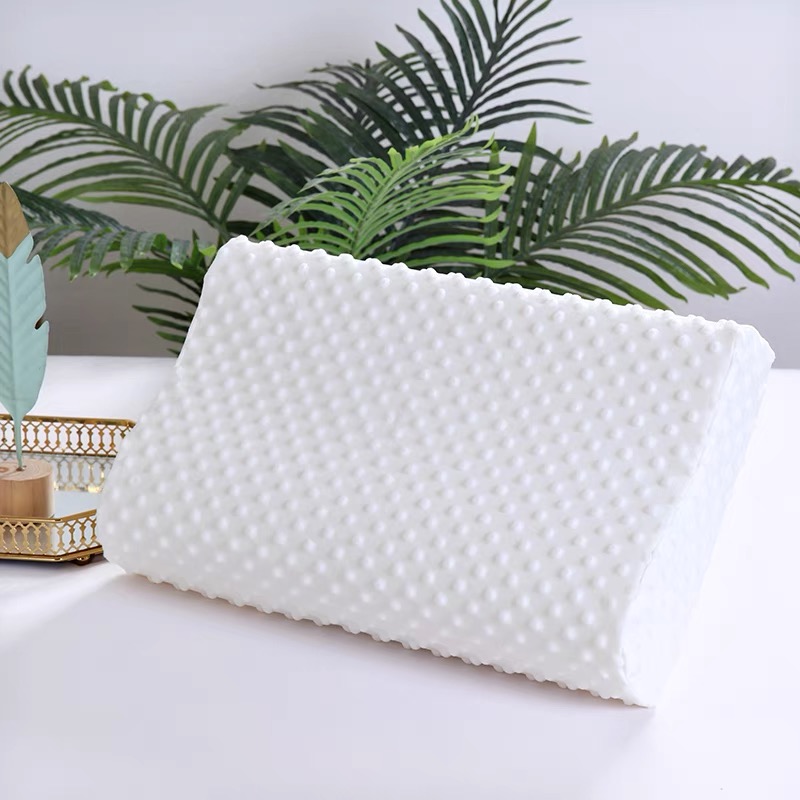
Latex pillows can accumulate sweat, oils, dead skin cells, and other debris over time. While the material itself is resistant to mold and mildew, neglecting regular cleaning can result in unpleasant odors and reduced hygiene. Proper cleaning not only keeps the pillow fresh but also ensures the latex remains flexible, responsive, and durable for years to come. Understanding how to clean your latex pillows correctly is key to getting the most out of your investment.
Since latex is a delicate material, there are certain cleaning methods and practices that should be strictly avoided:
Before you start cleaning your latex pillow, ensure you have the following items:
The first step is to remove the pillowcase or any protective cover, as these materials can usually be washed separately in a machine. Follow the care instructions on the labels to avoid shrinkage or damage. Washing pillowcases regularly is equally important to maintain hygiene.
Fill a sink or basin with lukewarm water and add a small amount of mild detergent. Use only a minimal amount of detergent to avoid leaving residue on the pillow. Stir the water gently to ensure the detergent is evenly dispersed.
If your latex pillow has stains or specific spots in need of attention, use the cleaning solution to gently scrub those areas. Dampen a microfiber cloth with the solution and carefully rub the stain in circular motions. Avoid saturating the latex or applying excessive pressure.
Submerge the latex pillow in the basin or sink containing the cleaning solution. Gently press the pillow to allow water and detergent to penetrate the material. Avoid kneading, twisting, or pulling the latex. If the pillow is too large for the basin, you can clean it one section at a time.
Once the pillow has been cleaned, it’s time to rinse away the detergent. Drain the soapy water from your basin and refill it with fresh, lukewarm water. Submerge the pillow once again, pressing it gently to remove any remaining soap. Repeat this step until no detergent residue is left behind.
To remove excess water, gently press the pillow with your hands or place it between two clean towels and lightly pat it dry. Do not wring, twist, or apply strong pressure, as this could damage the latex structure.
Air drying is the best option for latex pillows. Lay the pillow flat on a clean, dry surface in a well-ventilated area away from direct sunlight or heat sources like radiators and heaters. Flip the pillow occasionally to ensure even drying and allow sufficient airflow. Depending on the humidity of the environment, drying may take up to 24 hours.
Regular maintenance minimizes the need for frequent washing and helps preserve the integrity of your latex pillow. Here are some helpful tips:
No, latex pillows should never be put in a dryer. The high heat and mechanical motion can damage the delicate latex material. Always stick to air drying.
Latex pillows should be spot-cleaned whenever stains or spills occur and fully washed every 2-3 months, depending on their usage. Regular maintenance reduces the need for frequent washing.
Yes, latex pillows are naturally hypoallergenic, making them resistant to allergens like dust mites, mold, and bacteria. This makes them a great choice for individuals with allergies or sensitivities.
Yes, improper washing techniques—such as machine washing, wringing, or using harsh detergents—can break down latex and lead to deformities, cracks, or reduced elasticity.
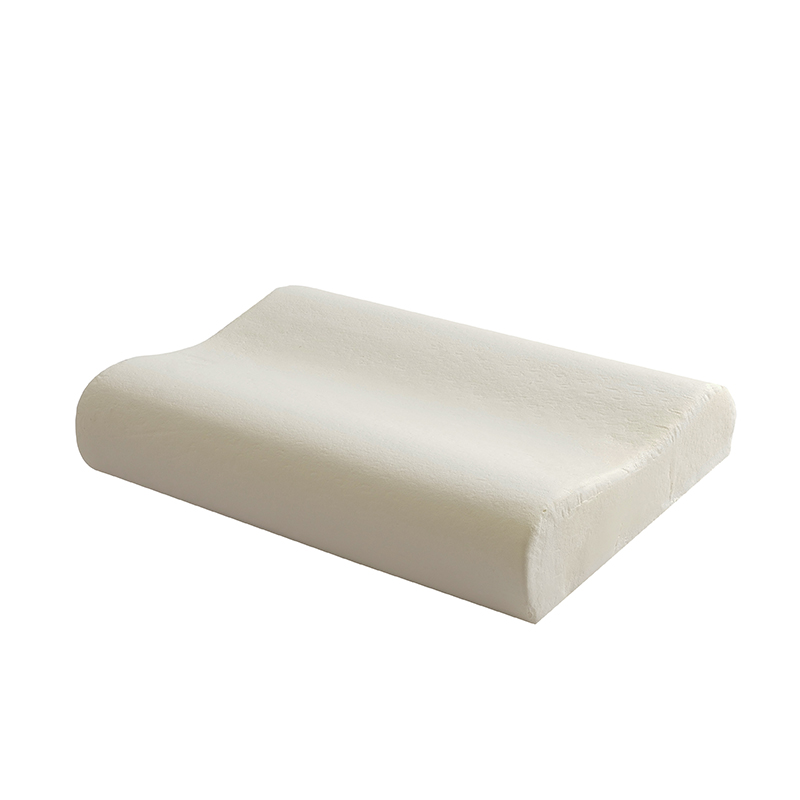
Taking proper care of your latex pillow is vital for preserving its quality, comfort, and lifespan. Washing latex pillows may require a bit more care than other types of pillows, but the process is straightforward once you understand the key steps and precautions. Regular cleaning and maintenance ensure that your pillow remains hygienic and supportive, allowing you to enjoy restful and healthy sleep every night.
By following the step-by-step guide and tips provided, you can confidently care for your latex pillow while avoiding common pitfalls that could damage its structure. Whether spot-cleaning or performing a full wash, treating your latex pillow with care will help maximize its longevity, ensuring you enjoy its superior benefits for years to come.