Updatetime:2026-06-25 09:30:05 View:
Cotton pillows are a staple in households worldwide, known for their comfort and breathability. However, to maintain the quality and hygiene of these pillows, regular cleaning is essential. Understanding the intricacies involved in washing a cotton pillow effectively can prolong its lifespan and provide a healthier sleeping environment. This article delves into the multifaceted approach of cleaning cotton pillows, offering actionable advice to help you achieve optimal results.
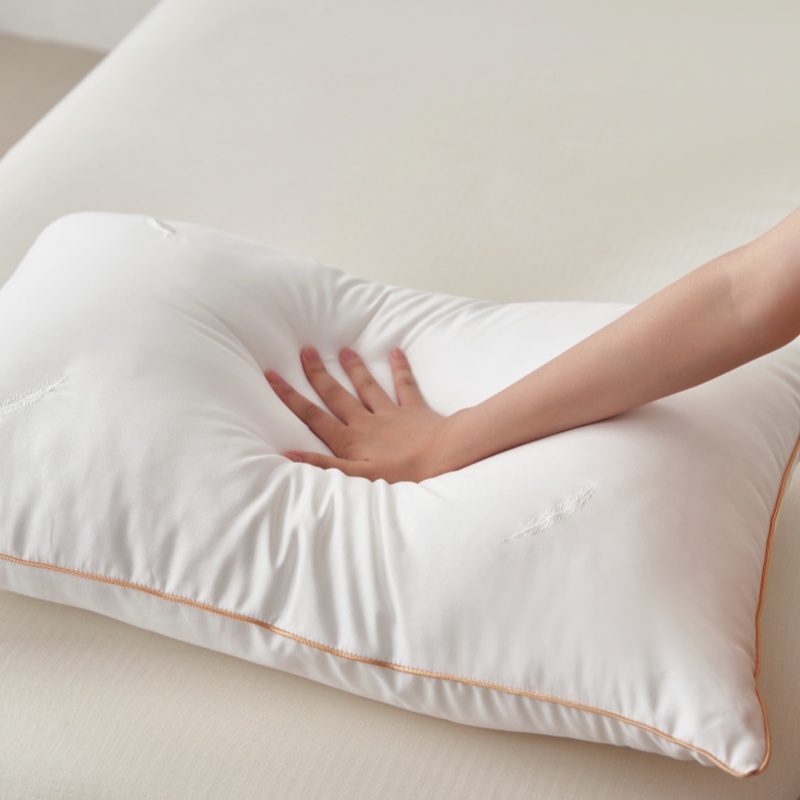
Before diving into the mechanics of washing a cotton pillow, it's crucial to understand why regular maintenance is essential. Over time, pillows accumulate dust mites, sweat, and skin cells, which can lead to allergies and skin conditions. A clean pillow contributes to better sleep hygiene, reduces allergic reactions, and ensures longevity.
An unwashed pillow can harbor allergens and bacteria, potentially affecting sleep quality. Removing dust and grime helps in maintaining a fresh sleeping surface, promoting restful sleep. Comfort remains uncompromised when pillows are kept clean and are devoid of unpleasant odors.
Regular washing and care extend the pillow's life by maintaining its structure and fluffiness. A well-maintained cotton pillow not only lasts longer but also performs better in terms of comfort and support.
Before washing a cotton pillow, a few preparatory steps are essential for achieving the best results without damaging the material.
Check the pillow's care label for specific instructions provided by the manufacturer. This label often contains essential information regarding washing temperature, detergent types, and whether the pillow is machine or hand washable.
Ensure the pillow is free of any rips or tears. Washing can exacerbate these issues, potentially damaging the pillow further. If necessary, mend any minor issues before proceeding with the wash.
When it comes to washing a cotton pillow, two primary methods are available: machine washing and hand washing. Each has its own advantages and considerations.
Machine washing is often the most convenient method, but it is crucial to follow specific guidelines to prevent damage.
Hand washing is more time-consuming but offers better control over the washing process, reducing the risk of damage.
Proper drying techniques are necessary to maintain the shape and comfort of the pillow.
If the care label permits tumble drying, use the lowest heat setting to dry the pillow. Add dryer balls or clean tennis balls to the drum to help fluff the pillow and prevent clumping. Regularly check the pillow to ensure it doesn't overheat.
Air drying is the safest method but requires patience. Place the pillow on a flat, breathable surface—ideally outdoors—to benefit from sunlight and airflow. Occasionally flip and fluff the pillow to aid in drying and prevent moisture retention, which can lead to mildew.
Enhancing your pillow care routine can provide superior results, ensuring your pillow remains comfortable and clean.
Wash your cotton pillow every 3-6 months, or more frequently if allergies or skin sensitivities require it. Regular cleaning prevents excessive dirt build-up and prolongs the pillow's usability.
Pillow protectors can significantly extend the cleanliness and lifespan of your cotton pillows. These protective cases guard against spills, stains, and allergens, minimizing the need for frequent washes.
Washing a cotton pillow may seem daunting, but with the right techniques and cautious preparation, it can be a simple and rewarding task. Understanding the importance, preparing carefully, choosing the right washing method, and correctly drying the pillow are critical in maintaining its quality and comfort. By adopting a regular cleaning routine, you not only extend your pillow's life but contribute to a cleaner, healthier sleeping environment, ensuring restful nights and refreshed mornings.
Implement these practices and enjoy the comfort and cleanliness of a well-cared-for cotton pillow for years to come.